At its sixth annual TikTok World event, the platform introduced its own Model Context Protocol (MCP) server, designed to empower AI agents in executing advertising campaigns more efficiently.


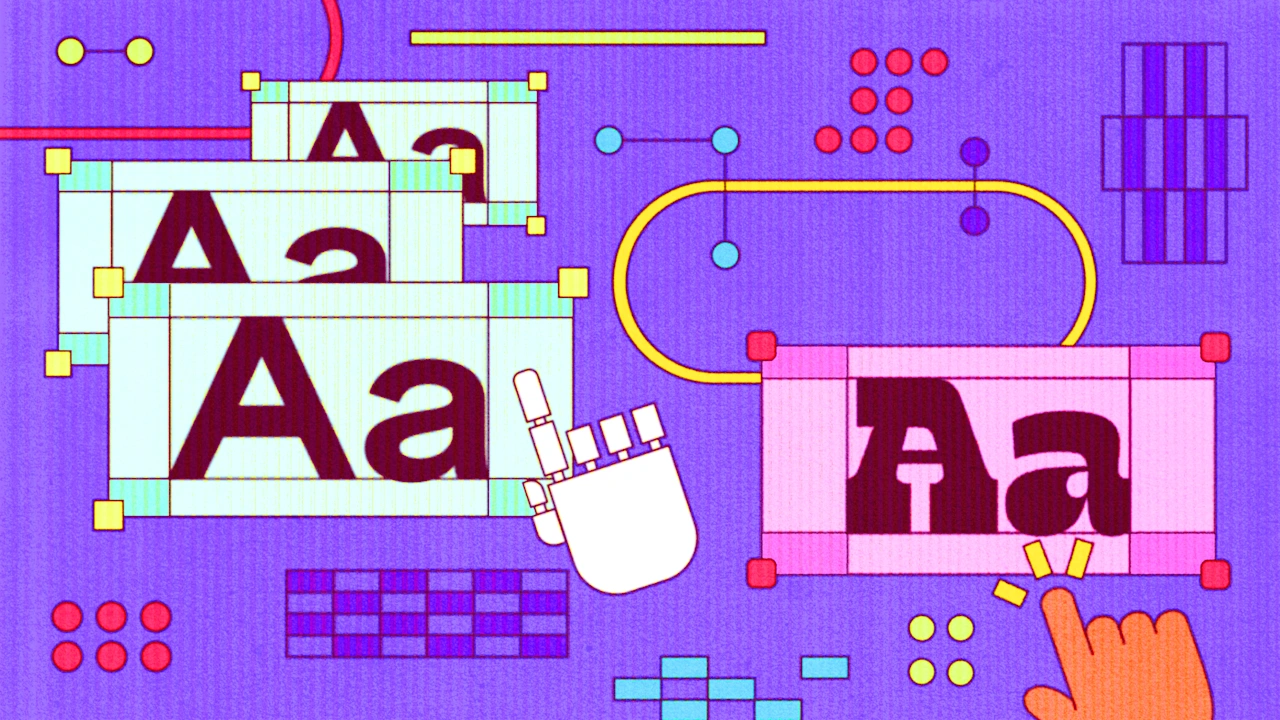
Anthropic has unveiled Claude Design, a tool enabling teams to generate visual designs through language prompts, simplifying layout and typography creation. While it speeds up design and reduces blank-page anxiety, it tends to favor legibility and familiarity, leading to more generic and less distinctive brand typography. This homogenization undermines brand recognition and uniqueness, which are pivotal for premium positioning and growth. Distinct typography acts as essential brand infrastructure, influencing numerous touchpoints consistently. Claude Design offers a solid baseline with commonly used free fonts, but relying solely on such tools risks producing derivative and overly familiar brand visuals. Brands can differentiate themselves by investing in custom typefaces or modifying existing fonts’s subtle details to reinforce identity. Examples include Walmart's Everyday Sans and Mailchimp's Means, which embody unique brand personalities. Ultimately, AI tools should accelerate design exploration, but human creativity remains crucial for building typography systems that endure, stand out, and embody originality in an age marked by increasing uniformity in brand fonts.

For the second consecutive year, Netflix's ad-supported subscription tier has more than doubled its monthly audience. At the 2026 upfront presentation, the company announced that its $8.99-per-month plan now reaches over 250 million users worldwide, up from 94 million the previous year. In 2025, Netflix generated $1.5 billion in ad revenue and plans to broaden ad placement further. Starting next year, ads will appear within the vertical video feed on its mobile app and across newly introduced podcasts. This move reflects Netflix's strategy to deepen monetization through diverse ad formats across its services.
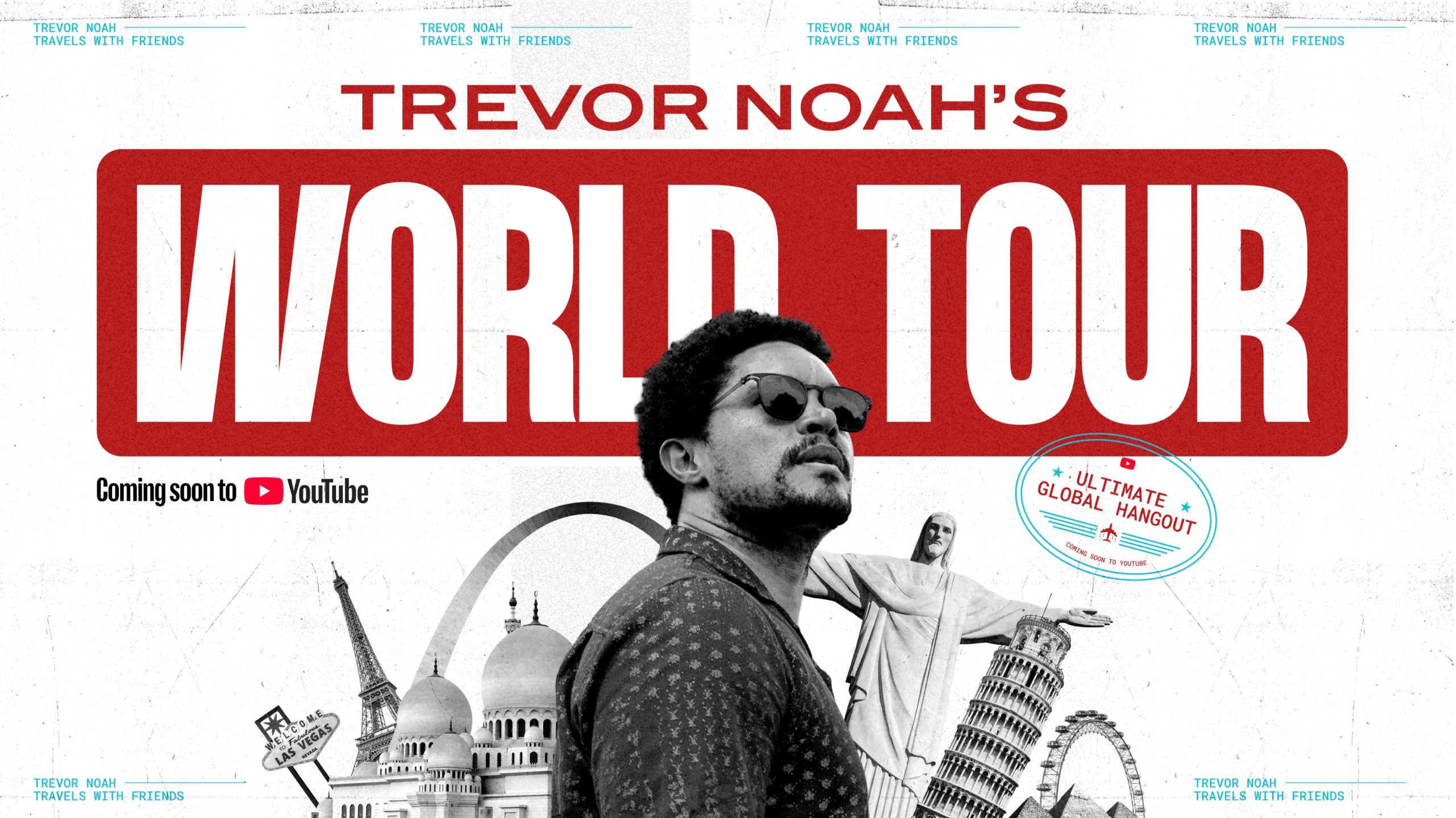
YouTube is enhancing its role as a key player in content creation by connecting creators and advertisers through exclusive streaming shows. At its annual advertiser event in New York, YouTube unveiled a new lineup featuring notable personalities such as Trevor Noah with a travel series, podcaster Alex Cooper producing a Met Gala documentary, and Kareem Rahma hosting a fresh series titled Subway Takes. The platform positions its creators not only as social media pioneers but also as influencers shaping the future of advertising, television, streaming, and entertainment at large. Advertisers are encouraged to invest in this innovative content slate as a way to tap into emerging entertainment trends.

At a recent ads showcase, TikTok emphasized driving consumer intent and action through its new TikTok Go travel booking feature, alongside showcasing enhanced AI capabilities. This move highlights TikTok's push to evolve from a platform for brand discovery to one that facilitates direct consumer transactions and experiences.

We are confronting a significant digital divide in our generation: the AI Acumen Gap. Trust in AI varies widely, influenced by professional roles and generational views. Knowledge workers and younger generations generally embrace AI with optimism, while many in the general population and older generations remain skeptical, fearing AI's impact on privacy, jobs, and security.
This divide complicates communication strategies; a universal message fails to resonate. Successful leaders must adopt segmented approaches tailored to distinct audience groups.
Key strategies include auditing your audience’s AI comfort levels—Millennials and knowledge workers tend to trust AI-driven innovations, while Boomers and the general public prioritize human oversight and express discomfort with AI automation. For B2B companies, emphasizing AI’s role in the future of work is effective, whereas consumer brands should prioritize human leadership over AI features.
Tech leaders should pivot from AI hype to governance, highlighting transparent frameworks and ethical safeguards to gain trust from knowledgeable users. Consumer-facing brands should focus on addressing fears by promoting safety, accountability, and a human-led approach to AI, using relatable platforms such as YouTube and TikTok to connect with skeptical audiences.
Respecting transparency is essential across all groups. Disclosure of AI involvement in communication builds trust and mitigates backlash from perceived deception.
Ultimately, bridging the AI acumen gap hinges on empathy and responsible leadership, setting the foundation for trust as AI technology continues to evolve.


A comprehensive guide to developing a distinctive brand in an overcrowded AI market where many products appear identical and share similar messaging.


Almost all marketers globally are leveraging AI tools for creative projects, yet a significant majority of consumers still favor human-made content. This disconnect highlights a key insight from Canva's 2026 State of Marketing and AI report, revealing a divide between industry excitement over AI and public skepticism.

The hype around AI agents misses the point. Success in AI-driven marketing starts with refining processes, not just adopting new tech.
Amazon's Upfront event highlighted its commitment to video podcasts, presenting them as the upcoming evolution of television networks. The company is confident that by improving how these podcasts are measured, they can capture the attention and engagement of traditional TV audiences.