Many companies celebrate being "AI-powered" simply by integrating AI tools into existing workflows. However, this approach often misses the bigger picture. Instead of reimagining processes, they're applying modern technology to outdated methods. For instance, giving AI assistants to help write social media posts doesn’t solve core problems – it merely automates a disliked task without changing the fundamental approach. True AI-native systems rethink workflows from the ground up, using advanced rules engines and data infrastructure to create context-aware, automated solutions that require minimal human intervention. The true competitive advantage lies not just in software but in the expertise and operational knowledge your team uses to guide AI, building proprietary data-driven systems that continuously improve and create high switching costs for customers. Companies must focus on mapping invisible knowledge, building robust infrastructure, and moving from simply speeding up old processes to rebuilding them entirely for lasting growth and differentiation.


Sarah Travis, Target's digital chief, introduces two innovative initiatives tailored to capitalize on the growth of social commerce. She also acknowledges customer concerns regarding the recent conclusion of the retailer's previous affiliate program, outlining steps to improve future engagement.


In today's rapidly shifting market influenced by viral trends and unpredictable global events, traditional market research methods, often taking up to 12 weeks, are no longer sufficient. Brox has introduced a groundbreaking solution by creating 60,000 digital twins—high-fidelity AI replicas of real individuals, fully consented and deeply profiled through extensive interviews. These twins allow companies to conduct instant, repeatable surveys, providing critical insights into consumer behavior and reactions to geopolitical, economic, and social changes within hours instead of months.
Unlike synthetic personas generated by AI models that tend to give narrowly distributed and overly 'correct' answers, Brox’s digital twins are based on rich, detailed data capturing psychological and behavioral nuances. This enables businesses, especially in pharmaceutical and financial sectors, to understand not only what decisions are likely to be made but the underlying reasons behind them. The platform supports a wide range of customizable, open-ended questions and is accessible via a high-end SaaS model with flat-fee subscriptions, allowing unlimited usage and fostering a culture of thorough experimentation.
By bridging the gap between real human insights and AI speed, Brox offers a unique, ethical alternative to betting markets and synthetic data, aiming to build a 'parallel universe' for risk-free decision making worldwide.


Digiday connected with executives from diverse marketing sectors, including Geico, Maybelline, agencies like Mediaplus and CROING, content producers at 1440, and research experts from Marketcast. The discussions focused on how these professionals are integrating AI into their workflows while striving to preserve authenticity and human connection in their strategies.

Fake accounts have existed since the early days of social media, but AI has now made it astonishingly simple to create convincing false personas. A recent case involved "Emily Hart," a pro-MAGA influencer who turned out to be a 22-year-old male student in India using AI-generated photos and videos. Emily amassed thousands of followers and generated significant income from merchandise and subscriptions, highlighting how anyone with basic tools can game social platforms. Despite major networks implementing policies requiring disclosure of synthetic content, enforcement is weak, partly because advanced AI-generated visuals lack obvious glitches and metadata labels are often stripped by platforms. While labels can reduce belief in false content, many remain subtle and inconsistently applied. Platforms may resist stronger labeling because AI content drives user engagement, raising difficult questions about incentives and responsibility. New regulations like Europe's AI Act and potential advertiser pressure could change the landscape. For now, users bear the burden of verifying authenticity in a digital environment flooded with convincing fakes.


I joined Clay as one of its first employees, stepping into a marketing role that wasn’t initially my calling. Over three years, I shaped the position to leverage my storytelling strengths, helped the company scale beyond $100 million in annual recurring revenue, and contributed to building a brand that has become a benchmark for startups.


AI enables rapid creation of advertisement content, but brands must balance this efficiency with maintaining accuracy, fostering brand loyalty, and achieving strong campaign performance. Leveraging AI thoughtfully ensures that speed enhances rather than sacrifices the quality and impact of marketing efforts.
Following a tough first quarter, the ad-tech company highlighted emerging opportunities in advertising within AI chatbots. They also noted that CMOs are likely to begin viewing walled gardens as less valuable, or “leftovers.”

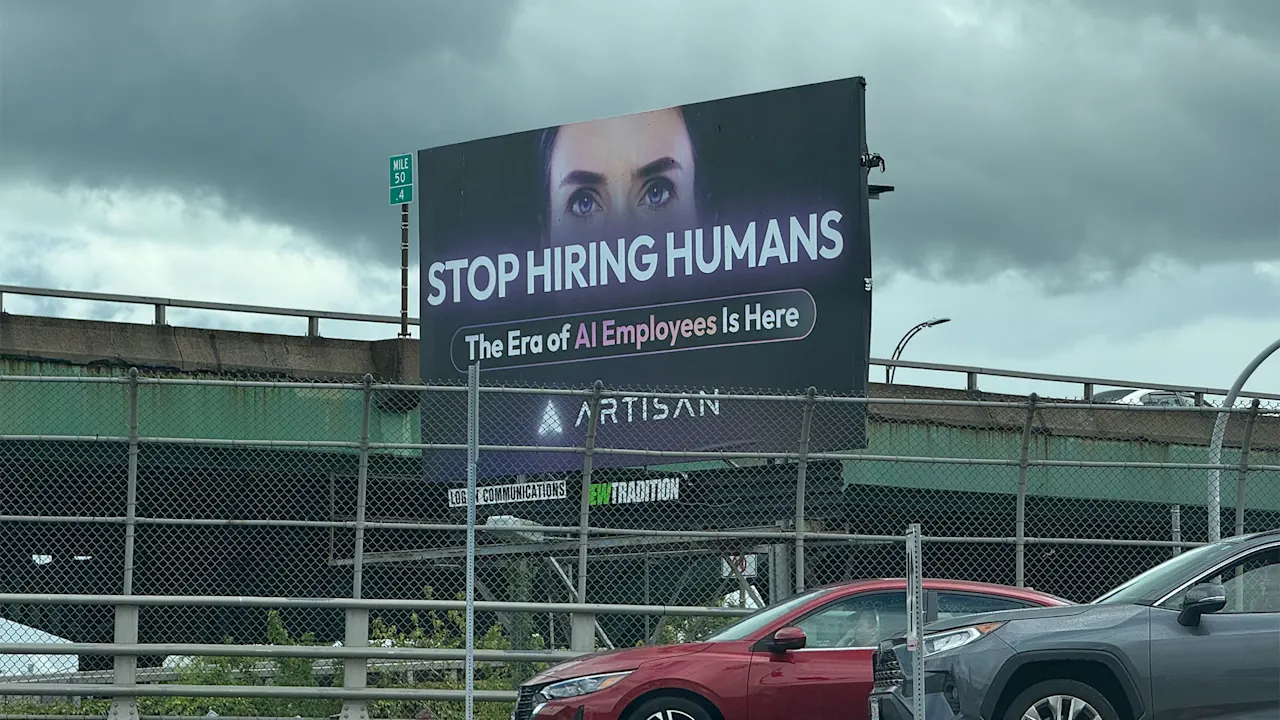
If you've been in the New York City subway recently, you may have seen a controversial ad from AI firm Artisan. The ad contrasts an employee named Steve, who calls out sick, with an AI sales agent, Ava, who boasts booking 12 meetings and researching over 1,200 prospects. The slogan, “Fire Steve. Hire Ava,” boldly suggests replacing human workers with AI. Artisan, known for provocative marketing, aims to replace lower-level sales roles with AI agents. Despite driving conversation, the ad has faced significant social media backlash, with users criticizing AI's reliability and the message's impact on public attitudes toward AI. Artisan's CEO explains their intent to provoke thought around AI replacing tasks not suited for humans, envisioning a future where people work less and live more.

Luxury brands today are shifting their focus from chasing unattainable perfection to embracing genuine authenticity.