We are confronting a significant digital divide in our generation: the AI Acumen Gap. Trust in AI varies widely, influenced by professional roles and generational views. Knowledge workers and younger generations generally embrace AI with optimism, while many in the general population and older generations remain skeptical, fearing AI's impact on privacy, jobs, and security.
This divide complicates communication strategies; a universal message fails to resonate. Successful leaders must adopt segmented approaches tailored to distinct audience groups.
Key strategies include auditing your audience’s AI comfort levels—Millennials and knowledge workers tend to trust AI-driven innovations, while Boomers and the general public prioritize human oversight and express discomfort with AI automation. For B2B companies, emphasizing AI’s role in the future of work is effective, whereas consumer brands should prioritize human leadership over AI features.
Tech leaders should pivot from AI hype to governance, highlighting transparent frameworks and ethical safeguards to gain trust from knowledgeable users. Consumer-facing brands should focus on addressing fears by promoting safety, accountability, and a human-led approach to AI, using relatable platforms such as YouTube and TikTok to connect with skeptical audiences.
Respecting transparency is essential across all groups. Disclosure of AI involvement in communication builds trust and mitigates backlash from perceived deception.
Ultimately, bridging the AI acumen gap hinges on empathy and responsible leadership, setting the foundation for trust as AI technology continues to evolve.


AI adoption is progressing rapidly, but many businesses are misunderstanding the basic principles, which is leading to significant risks.

HR leaders must adopt a financial mindset, leveraging data to drive strategic decisions just like CFOs do.


Since February, over 50 employees have reportedly departed from SpaceXAI, Elon Musk's recently merged company. This exodus has sparked concerns regarding employee burnout, shifts in leadership, aggressive talent recruitment by competitors, and whether recent financial events have impacted employee retention incentives.

A recent global survey by Boston Consulting Group (BCG), involving 625 senior leaders, reveals that 61% of CEOs believe their boards are urging for AI transformation at an overly rapid pace. The report, named Split Decisions, includes insights from 351 CEOs and 274 board members from companies earning more than $100 million annually. This research highlights a clear divide in opinion on the speed of embracing AI within organizations.

Internships go beyond just introductory roles—they serve as powerful tools for cultivating resilient teams, nurturing future leaders, and establishing robust talent pipelines within organizations.


Mira Murati, the founder of Thinking Machines Lab and former CTO of OpenAI, shares with WIRED her vision for AI that supports rather than replaces human workers. Her focus is on creating intelligent systems that work alongside people to improve collaboration and productivity, rather than automating jobs out of existence.
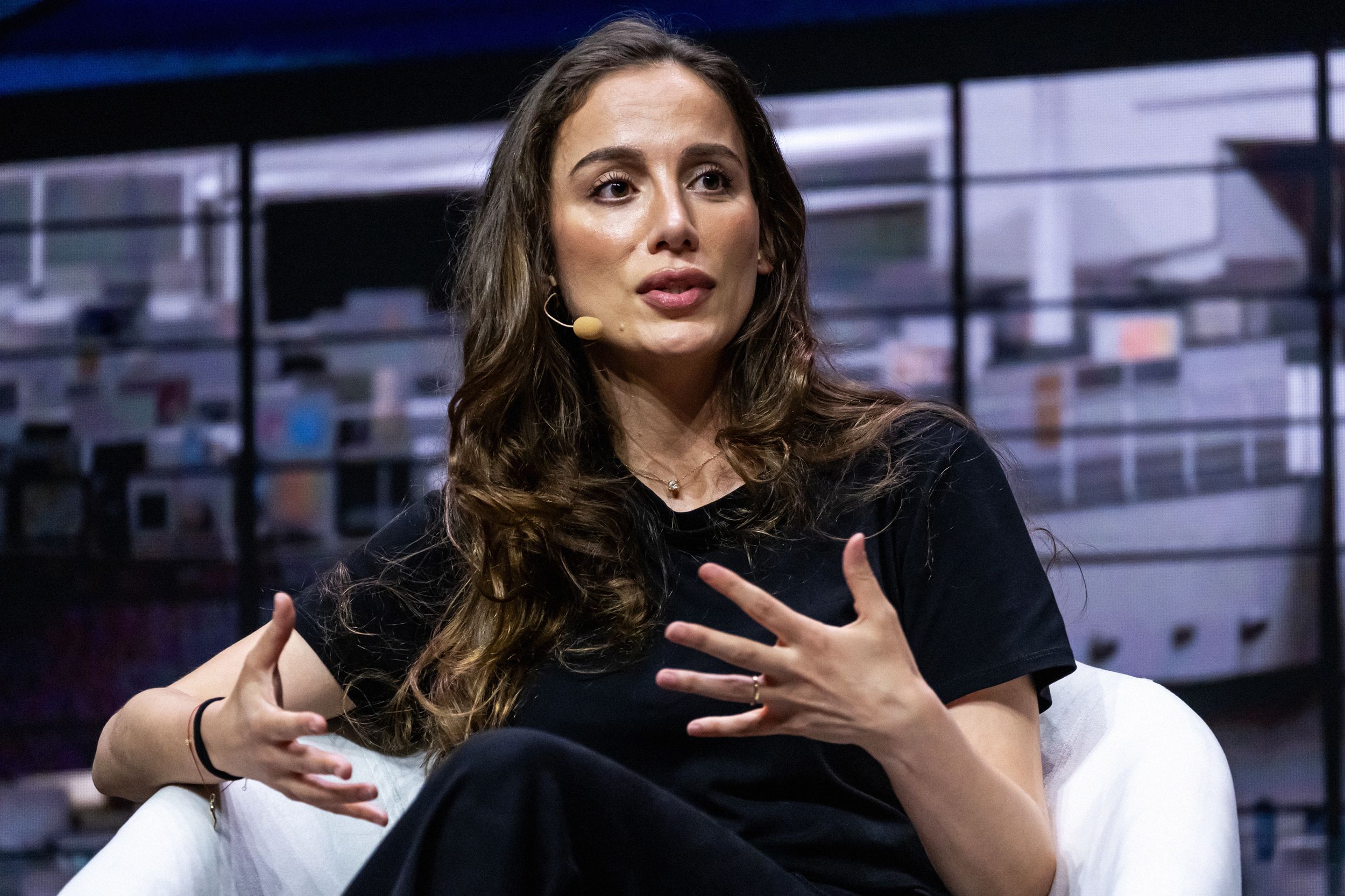
OpenAI is undergoing another round of leadership restructuring aimed at consolidating ChatGPT and Codex into a single streamlined product offering. Greg Brockman's new role will focus on overseeing this integration to enhance user experience and product consistency.

RJ Scaringe, Founder and CEO, is renowned for his exceptional ability to secure funding. His three startups have collectively amassed over $12.3 billion, reflecting his talent in attracting investor confidence and capital.
Great leaders don’t always translate into high-performing teams. Even stellar executive groups can face challenges with alignment, trust, and effective collaboration. Often, when teams underperform, it’s not about individual skill or strategy but about how well the team knows how to work together.
Early in their careers, leaders are often rewarded for individual achievements more than team effectiveness. As they progress, they enter environments where team dynamics become far more crucial. Skills that ensure individual success might actually limit the team’s performance.
Having coached numerous executive teams, I've identified five recurring issues that can cause teams to falter if left unaddressed:
-
Not expressing what truly needs to be said: Teams often avoid difficult conversations, fostering a culture of false harmony that stalls progress instead of driving it.
-
Prioritizing departmental goals over organizational success: When teams focus solely on their own unit’s achievements, it leads to silos and internal competition that harm the broader mission.
-
Unclear goals and roles: Without clarity, teams waste energy on duplicated tasks, avoidable conflicts, and lose valuable momentum.
-
Accumulating 'decision debt': Delays or unclear communication around decisions waste time and stall movement.
-
Underestimating the power of connection: When team members feel isolated and disconnected, trust breaks down, and performance suffers.
Teams that acknowledge these challenges head-on and cultivate open communication, collective goals, decisive action, and meaningful connections are the ones that thrive. Their results transcend individual contributions, creating powerful, sustained success.