The key to grooming future leaders isn’t just about promotions; it begins much earlier in an employee’s journey within the company.


Data reveals a disconnect between what CEOs envision for AI and the AI experiences of employees. To successfully implement AI strategies, leaders must concentrate on three key areas to ensure these initiatives resonate and are adopted at all levels.

On May 25, Pope Leo XIV will introduce Magnifica Humanitas, the Vatican’s inaugural encyclical dedicated exclusively to artificial intelligence. The presentation, alongside Anthropic co-founder Christopher Olah, marks a rare collaboration between the Vatican and the tech sector. The document emphasizes safeguarding human dignity, cautioning that while AI can simulate reasoning, it cannot replace ethical judgment or authentic human relationships. Released 135 years after Rerum Novarum, this encyclical establishes the Vatican as a moral voice amid rapid AI advancements pushed by governments, corporations, and military interests worldwide.
Mark Surman, president of Mozilla, emphasizes that governance and responsibility are essential foundations for fostering trust in artificial intelligence. CEOs must prioritize ethical frameworks and accountability to counter widespread doubts about AI's reliability and impact.

Recent findings highlight that a deficiency in 'interpersonal diversity' among leadership teams leads to organizational blind spots, negatively impacting executives and employees alike.

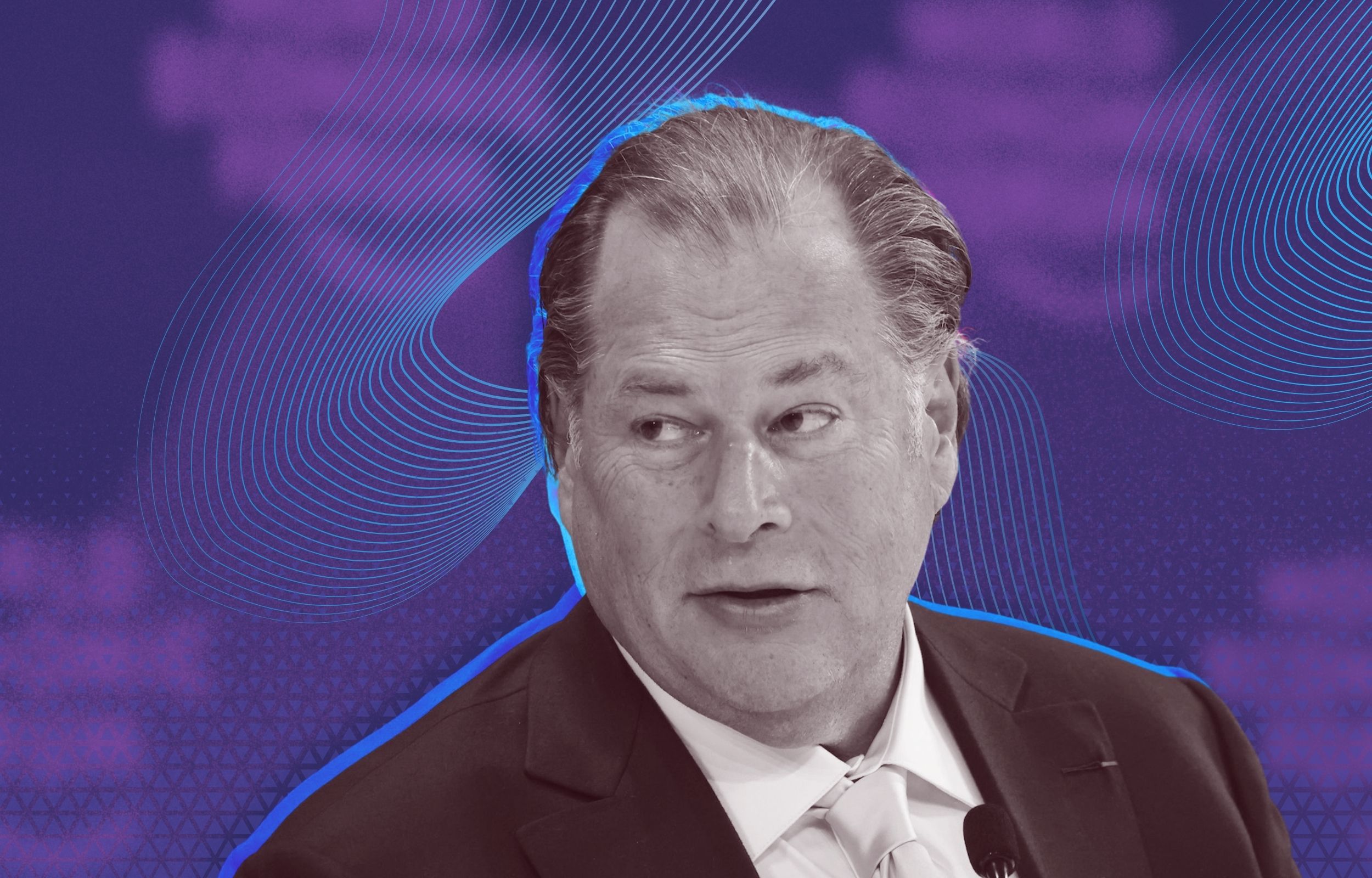
Marc Benioff, CEO of Salesforce, has disclosed how AI embedded in workplace tools grants detailed insight into employee conversations, sparking concerns about privacy and surveillance at work.
Recent research highlights a troubling misalignment between marketing leaders' investment priorities and the actual decision-making processes of buyers, with brand positioning prioritized far above AI search technologies.
Leaders often want to accelerate progress, but this urgency can unsettle their teams. The key question is whether leaders should temper their pace or encourage their employees to adapt faster.


Expleo conducted a study examining attitudes across Europe toward the use of AI in business, revealing that Irish business leaders place a notably higher emphasis on empathy when deploying AI technologies.


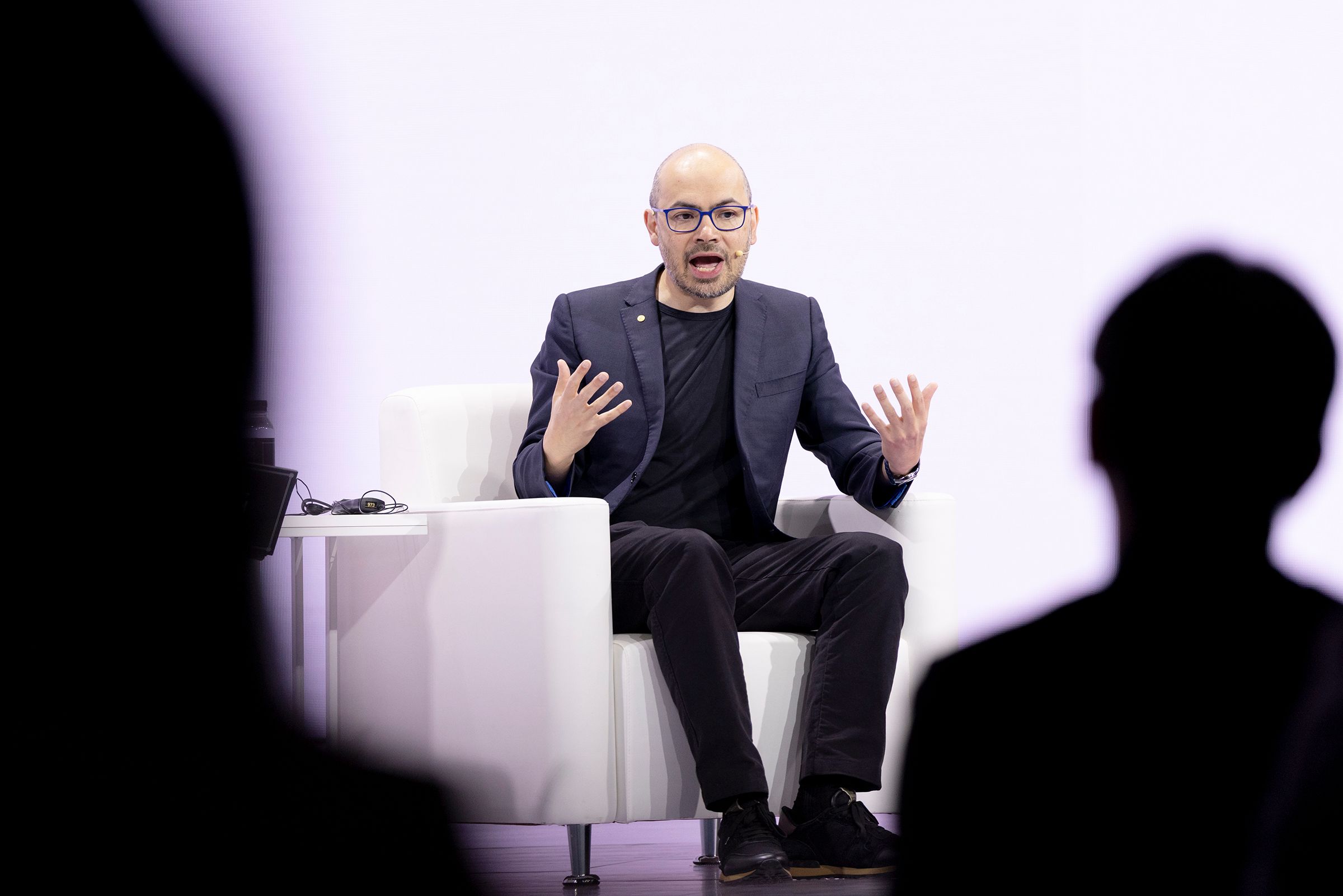
Demis Hassabis, CEO of Google DeepMind, shared with WIRED his view that companies should leverage AI-driven productivity improvements to expand their activities rather than reduce their workforce. He believes that cutting jobs in response to automation is a shortsighted move that overlooks AI's potential to create new opportunities for growth and innovation.