Imagine you’re Gabrielle, a senior leader at a rapidly growing tech company, grappling with two top performers whose rivalry and behaviors threaten the team’s success. Internally, Gabrielle faces a push-and-pull between wanting to maintain harmony and delivering results. This tension reflects a deeper psychological truth: our minds consist of multiple, interacting parts. The concept of a "multiple mind" draws on psychological theories from Freud and Jung and guides leaders in understanding contradicting internal voices. The Internal Family Systems (IFS) model, developed as a therapy method, provides leaders with tools to identify, listen to, and harmonize these conflicting inner parts, recognizing that no part is inherently "bad" but trying to help in its own way. At the core is the "self"—a calm, wise center that can lead these parts to work together, fostering inner clarity and resilience. Leadership grounded in this self can balance compassion, courage, and clarity under pressure. Through a step-by-step IFS process, leaders can become aware of their internal voices, cultivate compassion toward them, and integrate their wisdom, ultimately improving decision-making and team dynamics. This approach transforms leadership from reactive to self-led, turning inner conflicts into opportunities for growth and effective action.


Modern CEO, led by Stephanie Mehta, dives into adaptive, inclusive leadership lessons from city mayors worldwide, highlighting their unique challenges and accomplishments. Former New York Mayor Mike Bloomberg emphasizes the rising role of mayors as national governments step back, urging leaders to balance big-picture visions with local details, grounded in data and empathy. Baltimore Mayor Brandon Scott showcases inclusive community partnerships to reduce vacant properties, while former Paris Mayor Anne Hidalgo leveraged the 2024 Olympics to drive environmental improvements like cleaning the Seine River. London Mayor Sadiq Khan cautiously integrates AI to address urban challenges, ensuring no one is left behind as technology advances. These examples reveal city leadership's complexity and the importance of coalition-building, using public attention as a tool, and embracing innovation responsibly to enhance urban life.


Ken Villum Klausen, the co-founder of Danish digital bank Lunar, is stepping down from his role as CEO after leading the company for over a decade. He will be succeeded by an experienced executive with a background at Danske Bank and Saxo Bank, signaling a new chapter for the fintech firm.


US President Donald Trump is set to visit China, accompanied by influential tech leaders including outgoing Apple CEO Tim Cook and SpaceX and Tesla CEO Elon Musk. The delegation also features Meta’s new president Dina Powell McCormick, Micron’s CEO Sanjay Mehrotra, Cisco’s CEO Chuck Robbins, and Qualcomm’s CEO Cristiano Amon. The trip aims to focus on technological discussions, particularly artificial intelligence, signaling a shared interest with Chinese President Xi Jinping.

Many executive teams have invested in AI for years, but frustration persists not from skepticism but from a disconnect between AI initiatives and tangible business outcomes. While pilots and momentum exist, leaders struggle to link AI efforts directly to profit and loss. My experience at Kroger, overseeing AI that impacted margins and customer retention, taught me that leadership must focus on measurable value rather than technical activity. The key to bridging the AI-to-business gap lies in three areas: 1) Demonstrating how AI shows up on the P&L by improving revenue and cutting costs with focused investments that change unit economics; 2) Recognizing that speed in decision-making is a critical advantage, as slow organizational responses erode the benefits AI can offer; 3) Understanding that confidence in AI insights is vital under increased market risks—better information demands decisive leadership. Ultimately, successful AI adoption requires CEOs to own AI as a core business agenda, ensuring efforts generate real value, not just activity. Those who align AI with business results are setting a valuable precedent for others to follow.


Satya Nadella expressed to a federal jury his concern that Microsoft might face the same decline as IBM, especially with OpenAI emerging as a major new force in technology. This admission came from an internal email in April 2022 and highlights the significant anxiety within Microsoft that prompted them to make the largest ever corporate investment in artificial intelligence. The move was a decisive effort to secure Microsoft’s future dominance in the tech industry.

In the early 2000s, as Netflix struggled with financial losses and an unproven business model, founders Reed Hastings and Marc Randolph approached Blockbuster with a proposal, not to sell, but to partner for mutual benefit. Blockbuster declined, confident in its own online plans. Later leadership changes and strategic innovations, including the Total Access program, showcased Blockbuster's ability to compete effectively against Netflix. However, internal conflicts and stakeholder misalignment ultimately led to Blockbuster's downfall, illustrating that successful change isn't just about top-down decisions but requires broad organizational alignment and support across a network of stakeholders.


If you're scaling back your goals because of team challenges, the solution isn't a new business plan; it's about nurturing and enhancing your company culture to inspire growth and commitment.


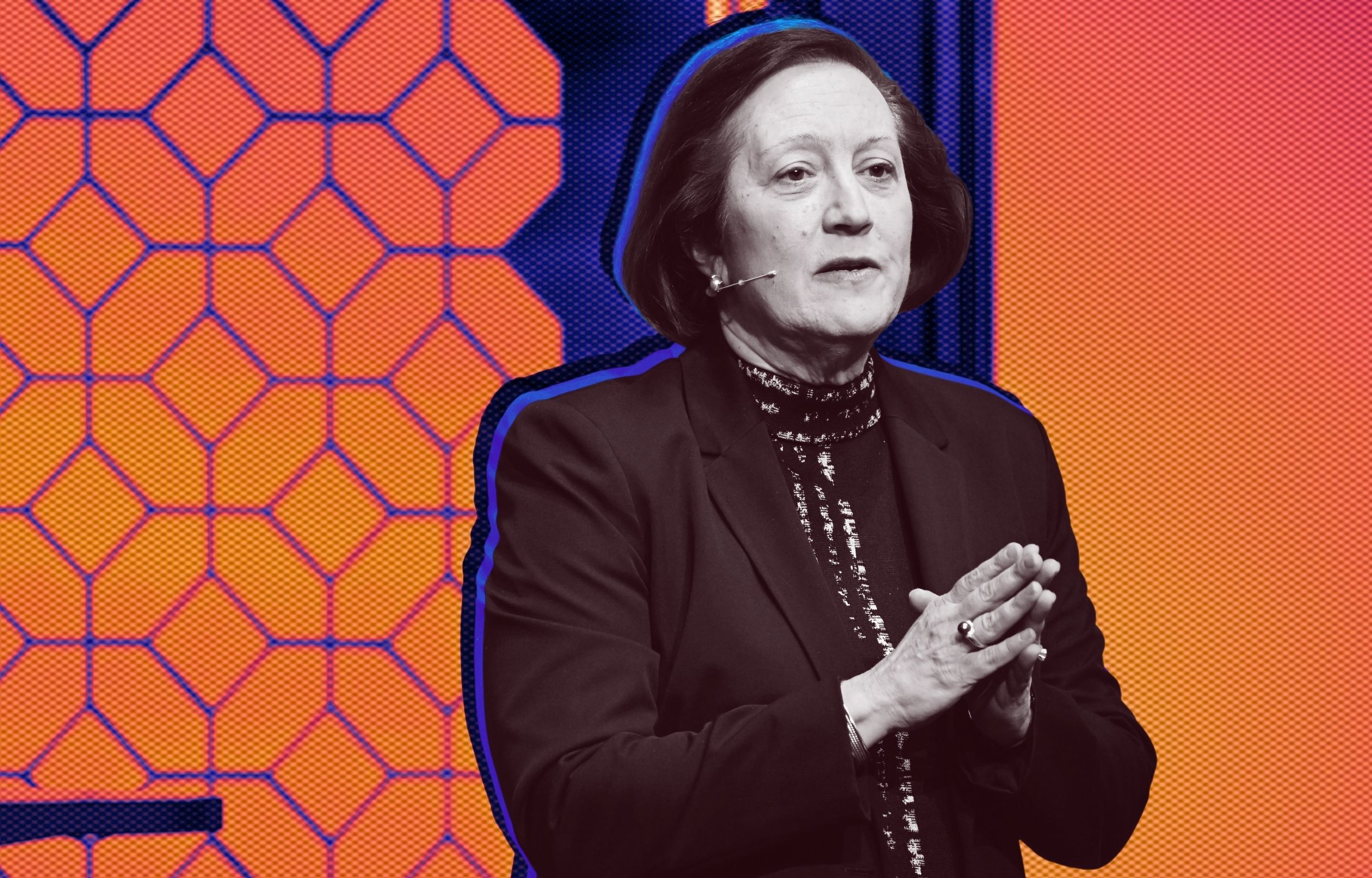
Judy Marks, CEO of Otis, believes that recent college graduates hold a distinct edge despite concerns surrounding AI's impact on entry-level employment.
On Wednesday, Cisco Systems revealed its latest quarterly earnings, reporting a strong revenue increase while simultaneously announcing nearly 4,000 layoffs. This move reflects a strategic shift as the company prioritizes investment in areas with the highest demand and potential, notably AI-related technologies. CEO Chuck Robbins highlighted the importance of agility and focus in capturing long-term value and outlined plans to enhance AI integration across the workforce. Despite workforce reductions—which represent under 5% of staff—Cisco’s stock surged over 16%, buoyed by record-high trading and robust financial results. The company posted $15.8 billion in revenue for the quarter, a 12% increase from the previous year, surpassing Wall Street expectations. Cisco is optimistic about continued growth, forecasting up to $16.9 billion in revenue for the next quarter and aiming to exceed $62 billion for fiscal 2026, driven by strong demand for AI infrastructure and networking solutions.