On a rainy Tuesday in London, a consumer goods company's leadership team tackled two key decisions: where to open the next five stores, and whether to pivot the brand towards wellness. Generative AI supported both discussions, yet the results exposed a critical issue — not all AI fits every decision equally. Narrow decisions like store locations have clear objectives and measurable outcomes, making them suited for analytical AI. Wide decisions like brand pivots involve ambiguity, contested goals, and require alignment; generative AI can help synthesize perspectives but cannot replace judgment or commitment. The article explains how organizations often misapply AI by treating all decisions the same, leading to weak results or poor buy-in. Leaders are encouraged to diagnose decisions as narrow or wide using criteria like objective clarity and data readiness, then align AI tools accordingly — analytical engines for narrow decisions and generative helpers for wide ones. Practical steps include inventorying decisions, tailoring AI playbooks, and ensuring decision processes incorporate review and alignment. Ultimately, AI's value depends on matching its strengths to the nature of the decision to drive impact and organizational commitment.


A recent survey of 900 CEOs worldwide reveals mounting anxiety about delivering tangible results with AI initiatives. Research by AI firm Dataiku and The Harris Poll shows that company leaders increasingly link their organizations' survival—and their own job security—to successful AI implementation. Nearly 72% of U.S. CEOs feel pressure from boards to demonstrate clear AI-driven outcomes and return on investment. Alarmingly, 80% of CEOs admit their position is at risk if AI efforts fail this year, with 81% believing fellow executives could be removed over unsuccessful AI strategies. While previous concerns focused on lagging behind in AI innovation, now a majority worry about over-investing in AI technologies. Despite this, 87% emphasize that their careers are firmly tied to AI success, including the deployment of autonomous AI agents, which some leaders view cautiously due to potential legal risks. High-profile CEO opinions vary on AI's impact on jobs, but all agree significant changes are ahead. Recent layoffs at major firms like Meta and Coinbase illustrate the disruptive effects AI advancements have on employment. Overall, CEO sentiment underscores the critical gamble being taken on AI's performance in shaping both business futures and leadership roles.


Research from Google's Project Oxygen, which analyzed 10,000 managers, reveals that technical expertise alone isn't enough for effective management. Many middle managers lack the essential leadership skills required to truly support and develop their teams.


Olivia Leonard from Mastercard shares insights about her journey as a senior technology leader, emphasizing the importance of successful women supporting others and the transformative impact of technology in the industry.

Relying too heavily on AI for decision-making can be risky; having AI as the sole authority doesn't guarantee the best outcomes.

Leadership brings many rewards, but it also comes with unexpected challenges. One of the toughest is the isolation that grows as you rise higher within an organization—something few are prepared to face.

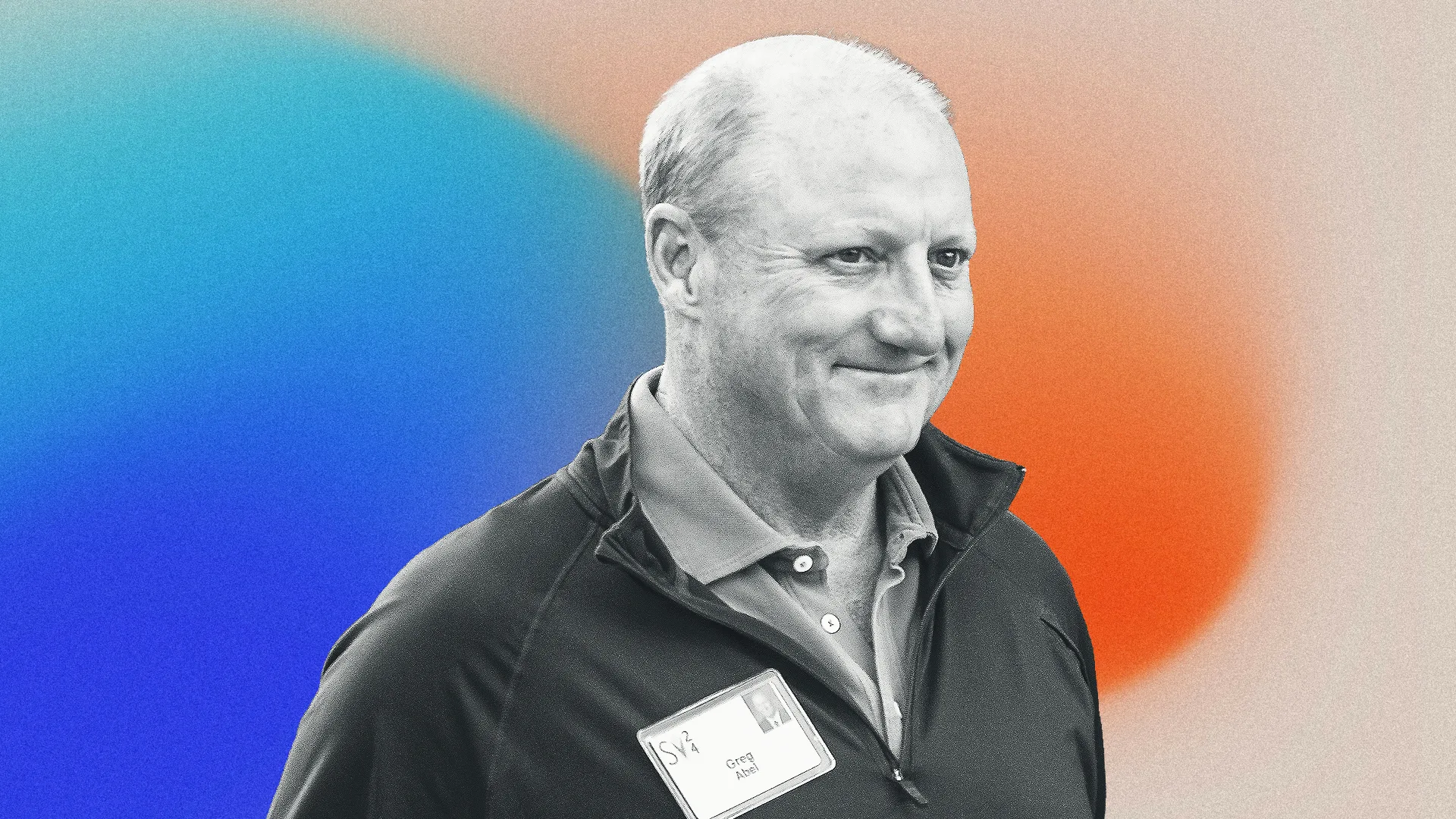
Greg Abel's initial approach as Berkshire Hathaway's CEO wasn't about outlining strategies; instead, he focused on connecting through storytelling, setting a tone that reveals his leadership style.

Tom Curtis, Burger King's CEO, personally took 1,500 customer calls—even to the point where his wife had him take calls on the porch. These conversations have directly led to fixing broken signs and influencing menu updates, demonstrating a hands-on approach to improving the customer experience.


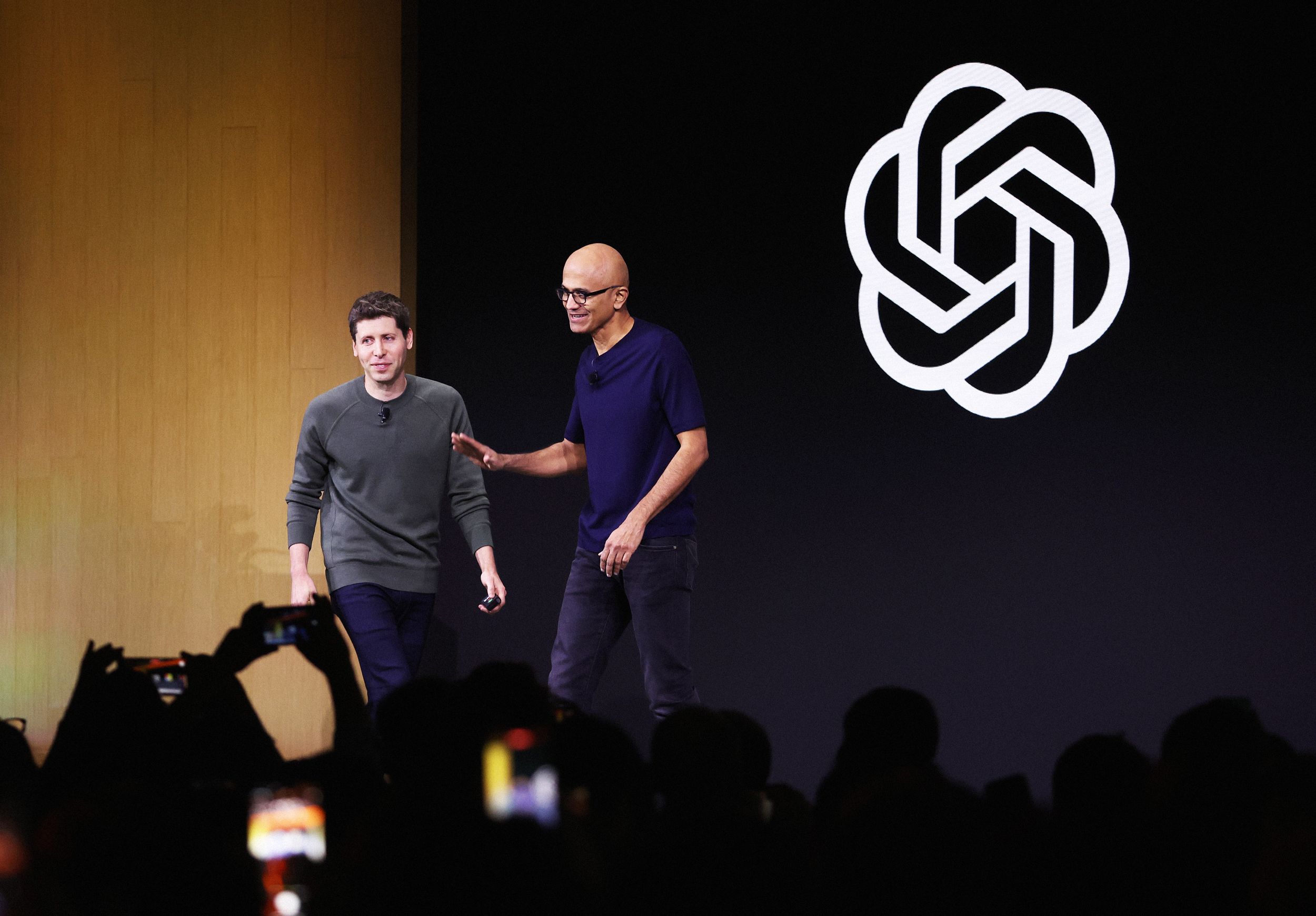
Emails from 2018 reveal that Microsoft executives were cautious about OpenAI's direction but reluctant to let it become a key asset for Amazon, highlighting complex strategic considerations within the tech giant.

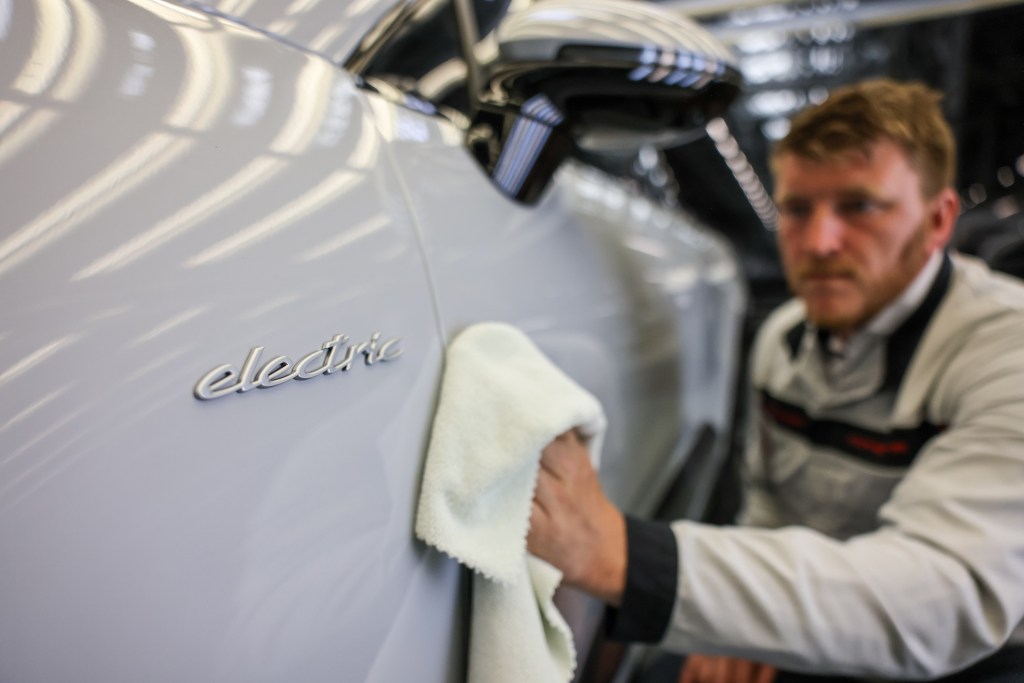
Porsche has announced that it will shut down its e-bike, battery, and software subsidiaries, impacting over 500 employees. CEO Michael Leiters emphasized the need to concentrate on the company's core operations as part of a broader strategic realignment. He acknowledged that while these measures are difficult, they are essential to ensure Porsche's future success by focusing on its fundamental business areas.