Carolyn Geason-Beissel explores how leaders can manage organizational chaos, drawing from personal experience and professional insights. The article discusses the challenges posed by a chaotic workplace, including competing priorities and bad behaviors that worsen during stressful times. Key strategies include maintaining ongoing communication between interconnected teams, preserving time in meetings for spontaneous discussion, actively discouraging toxic behaviors, and recognizing the potential growth and opportunities chaos can bring. The narrative emphasizes that while chaos is inherent in modern organizations, effective leadership can transform it into a catalyst for development, cohesion, and even humor among teams.


An $81 billion merger between Warner Bros. Discovery and Paramount has received approval from Warner shareholders, marking a major step toward uniting two Hollywood giants. Shareholders voted overwhelmingly in favor of selling Warner Bros. for $31 a share, valuing the deal at nearly $111 billion including debt. The merger would combine HBO Max, Warner's extensive film catalog, and CNN with Paramount's CBS, Paramount+ streaming service, and other assets, under the ownership of Skydance-backed Paramount. While regulatory approvals are still pending and the deal is expected to close in the third quarter, the merger signals significant shifts in American media, consolidating major studios, streaming platforms, and news outlets. Critics fear this could reduce industry jobs, shrink creative diversity, and lead to higher streaming prices, while supporters see benefits in broader content libraries and a stronger theatrical slate. The transaction has attracted scrutiny from lawmakers and advocacy groups concerned about media consolidation's impact on culture and news control, with investigations ongoing in multiple jurisdictions.


Tim Cook's 15-year tenure as Apple's CEO shows that exceptional business achievements don't require harsh behavior. He exemplifies how decency and extraordinary success can coexist in the corporate world.

Discover six crucial indicators that reveal when a workplace culture may be harmful.


John Ternus assumed the role of Apple's CEO in September, stepping into one of the most demanding positions in technology. He faces significant hurdles including ongoing App Store antitrust issues, intense competition in artificial intelligence, operational risks in China, and the responsibility of steering a company with a $4 trillion valuation and legacy.
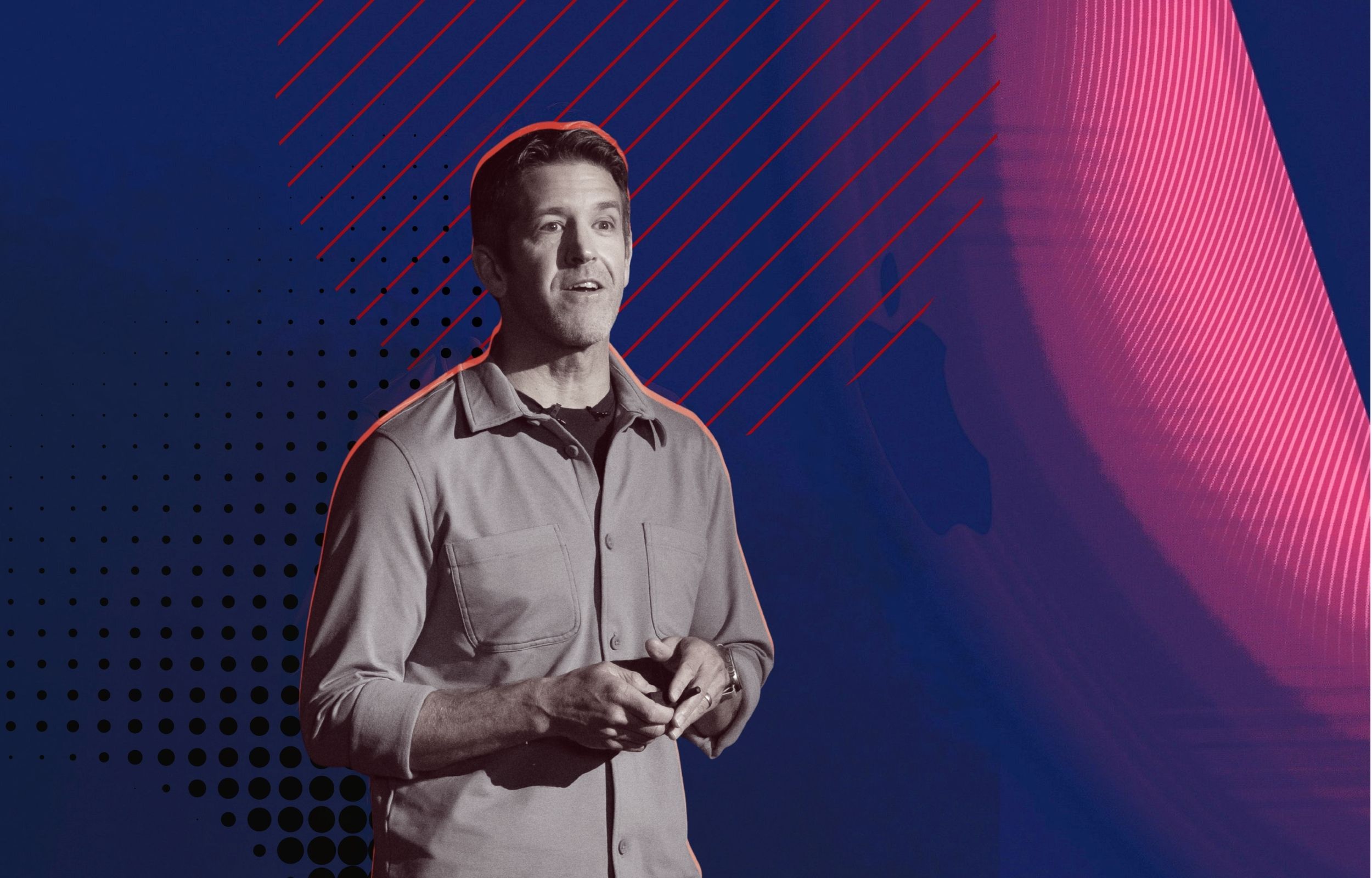
Brian Moynihan initially told employees not to fear AI replacing jobs, but later attributed recent job reductions to advances in technology and staff attrition.


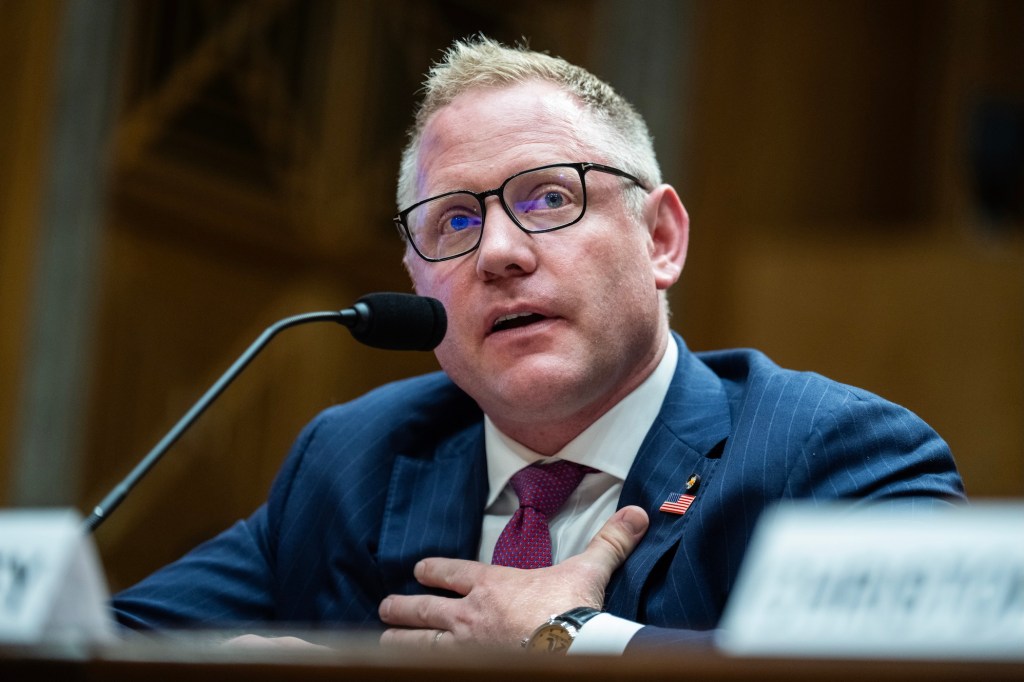
Sean Plankey has formally requested to have his nomination withdrawn from consideration to lead the U.S. cybersecurity agency CISA. This decision follows a challenging year marked by unstable and chaotic temporary leadership within the agency.
Experts often discuss persuasion techniques like social proof and trust-building. However, genuine change isn't about just persuasion; it's about shifting the social networks influencing behavior. Successful transformation requires strategies that alter these networks to overcome resistance at its core.
-
Define the grievance and vision: Every change starts with recognizing a key problem (the grievance) and then articulating an aspirational vision. Successful change leaders bridge this gap through a Keystone Change—a clear, tangible goal that includes stakeholders and sets the stage for broader transformation.
-
Conduct a resistance inventory: Every change effort faces pushback that arises because people form attachments to ideas and resist threats to them. Anticipating and understanding categories of resistance helps strategize how to mitigate opposition effectively.
-
Identify targets for action: Not all stakeholders are equal; some are for mobilization, others for influence. Effective strategies differentiate these roles to deploy tactics that leverage strengths against weaknesses.
Ultimately, successful change hinges on applying overwhelming force at decisive points (the principle of Schwerpunkt) and maintaining strategic flexibility. Change requires learning from both successes and failures, continuously adapting, and executing with precision, rather than relying solely on belief or passion.

Elon Musk's AI startup, xAI, is experiencing a significant wave of departures amid organizational shifts, mergers, and new strategic focuses. Since its founding in 2023, all cofounders except Musk have left, including dozens of engineers and program staff. These exits coincide with Musk's evolving vision for xAI, which targets "maximally curious" and pro-human AI to compete with firms like OpenAI and Google. Recent changes include merging with SpaceX and Twitter's parent, X, and pivoting AI product development, especially focusing on Grok, xAI’s flagship chatbot, which has faced public controversies. This period of transformation also includes internal restructuring and a $60 billion option to acquire the coding startup Cursor. Despite the turbulence, Musk remains focused on scaling the company effectively and integrating projects across his ventures, though the talent churn underscores challenges in retaining top AI professionals in a fierce market.
Discovering the key to retaining top executives may be more straightforward than commonly believed.