John Ternus, Apple's new CEO known for his expertise in hardware, suggests the company is refocusing on its core strength—device innovation. This shift could place Apple's hardware development at the forefront of its strategic direction moving forward.


Fernando Machado, who has previously served as Chief Marketing Officer at major companies such as Burger King and Activision Blizzard, is joining Chipotle as the new Chief Brand Officer. He succeeds Chris Brandt, who was well-known for his extensive experience in brand marketing at Chipotle.

Across decades of working life, it is not just steady career progression that shapes us, but the impactful moments of adventure—those periods of stepping away from the familiar, diving into uncertainty, and embracing new challenges. These experiences, often perceived as distractions at the time, turn out to be crucial for personal and professional growth. They disrupt ingrained routines, broaden our sense of identity, and create meaningful markers that link our past, present, and future selves. As lifespans and work years extend, the traditional career model based on continuous progression no longer fits. Instead, a multistage career model emerges, one that thrives on reinvention and exploration throughout life. Yet, this runs counter to organizational structures that favor consistency and predictability, making adventure a rare but essential ingredient for adaptability and sustained engagement in work. To support longer working lives, both organizations and individuals need to reconsider how they make room for adventurous experiences—not as indulgences but as vital components for growth, resilience, and transformation. Adventure is what keeps a career vibrant and flexible across decades, encouraging us to explore, learn, and reinvent ourselves continuously.


AI tools are removing the need to repeatedly ask colleagues for assistance, streamlining workflows. However, these casual exchanges, often replaced by AI, are crucial for fostering trust, belonging, and innovation within teams. Casey Hudetz and Eric Olive examine the research behind these effects and propose actionable ways to preserve human connection while benefiting from AI's capabilities.


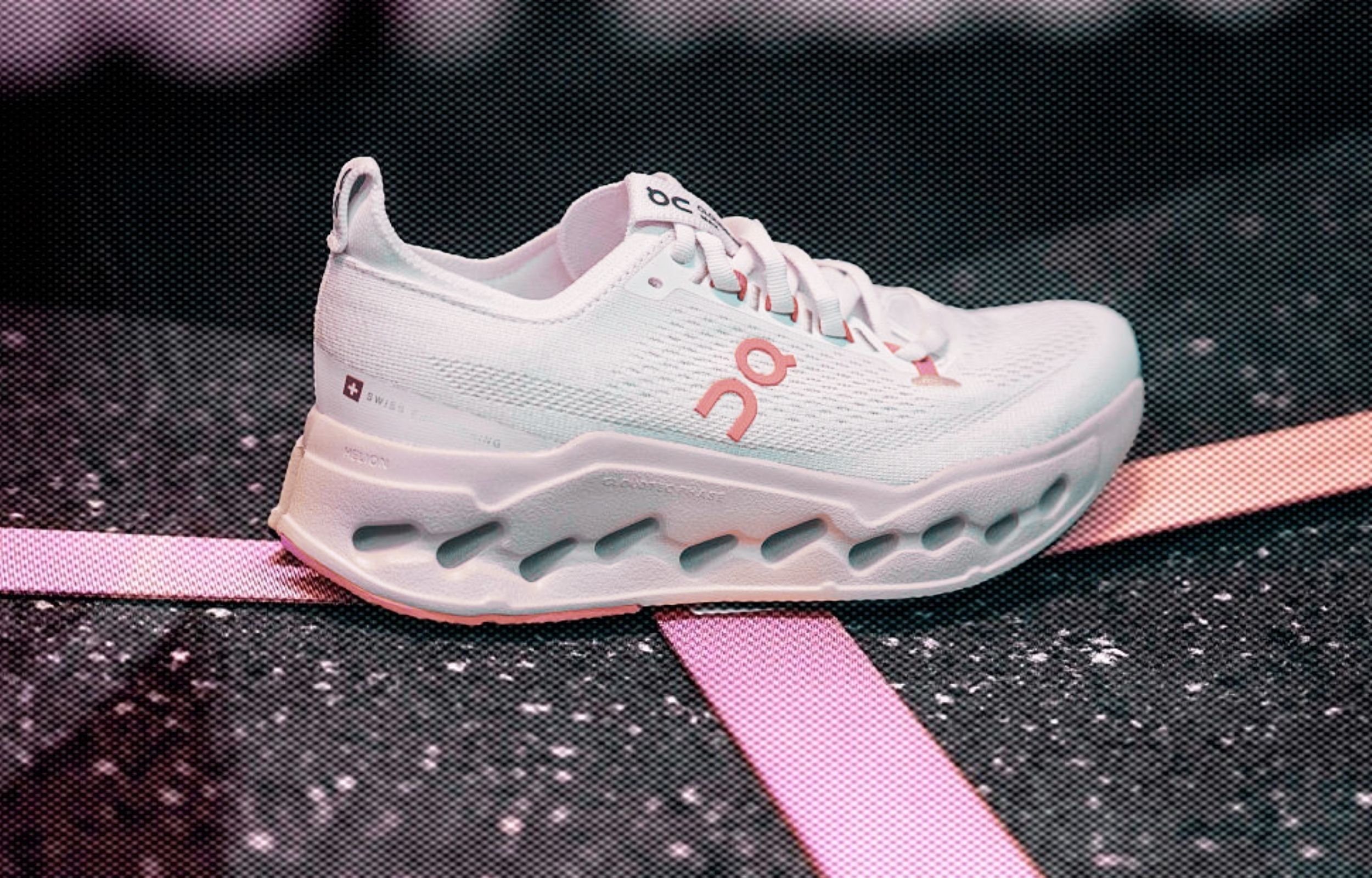
This Swiss startup is facing a pivotal moment: balancing its identity as a brand for serious athletes while expanding its appeal to a broader, mainstream audience.
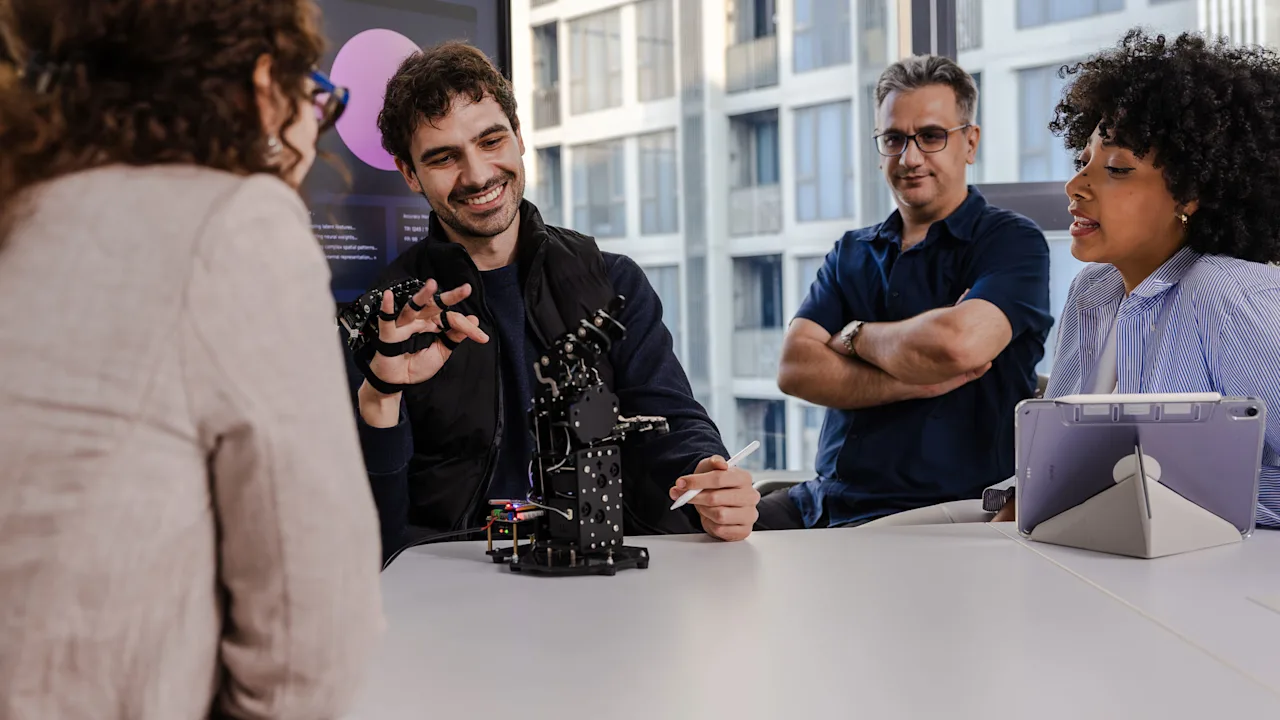
Discover five crucial lessons for founders on how to scale their vision, build unshakable trust, and identify the unique value they bring to their venture. These insights come from observing Mark Zuckerberg's innovative approach to leveraging AI cloning, highlighting both the opportunities and pitfalls to avoid.


More than 600 Google employees, including leaders from the DeepMind AI division, have signed a letter urging CEO Sundar Pichai to prevent the Pentagon from using Google's AI models for classified military projects. The letter emphasizes that rejecting classified workloads is crucial to ensure Google isn't unknowingly tied to potentially harmful applications. This internal push reflects growing concern among staff about the ethical implications of AI in defense sectors. The Verge has the full story on this developing situation.


Aneesh Raman and Ryan Roslansky, both executives at LinkedIn, share crucial insights from their book "Open to Work: How to Get Ahead in the Age of AI." They emphasize that as AI transforms work, individuals hold more power than expected to shape their careers. Key takeaways include understanding that jobs are defined by tasks—not titles—and these tasks fall into three categories: those AI can do alone, those enhanced by human-AI collaboration, and those that remain uniquely human, such as emotional intelligence and judgment. They highlight the importance of cultivating the '5Cs'—Curiosity, Courage, Creativity, Compassion, and Communication—which are vital skills that distinguish humans from AI. The traditional career ladder is replaced by a dynamic career 'climbing wall,' requiring adaptability and active decision-making. Embracing change rapidly, rather than resisting it, is critical, as AI adoption accelerates dramatically. Finally, the authors stress that personal differences and individual experiences are powerful assets, making employees irreplaceable in ways that AI cannot duplicate.
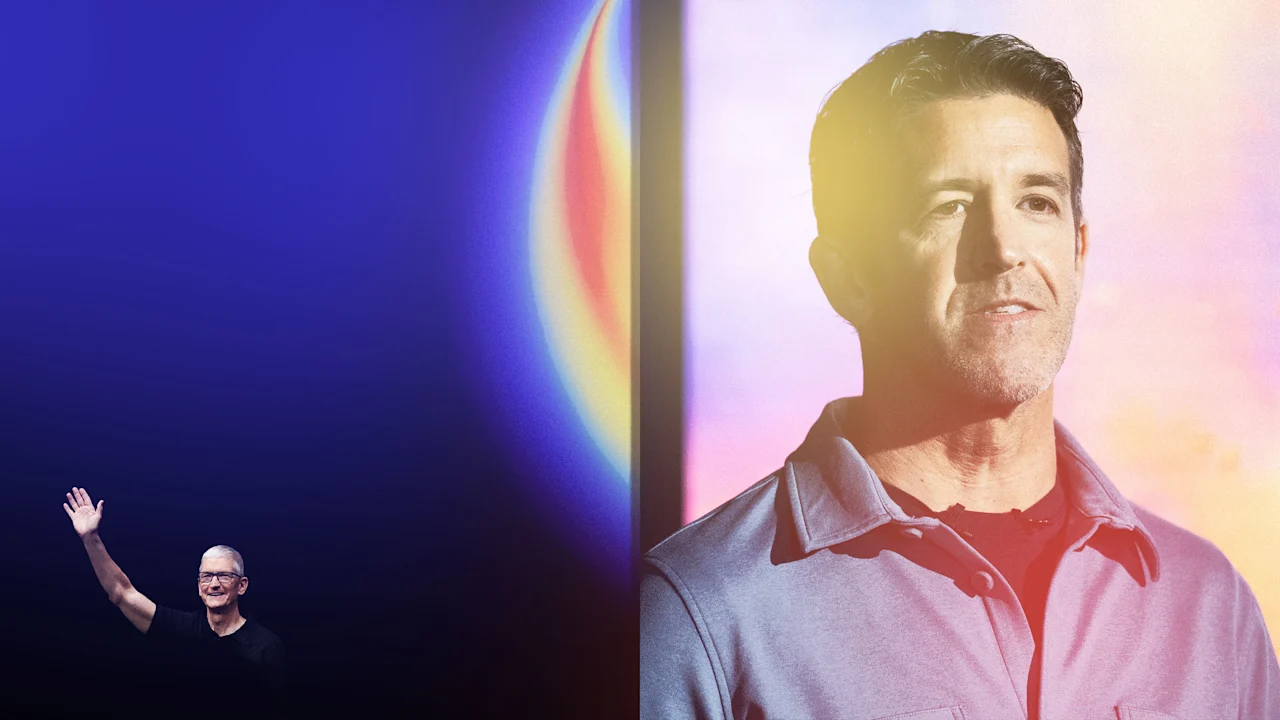
Apple recently revealed that longtime CEO Tim Cook will step down this September, making way for hardware chief John Ternus. While surprising in timing, this leadership change was years in the making, carefully planned to ensure stability and confidence among investors. Apple’s $4 trillion market value meant any uncertainty could have rocked its stock and morale, so the company meticulously prepared the transition by introducing Ternus to the public over several years. Tim Cook began hinting at retirement as early as 2023, easing concerns around succession. The Financial Times leaked the impending change last November, a move many viewed as a strategic market test, which was met with a positive market response, encouraging Apple to formally announce the news on a Monday to maximize media attention. Leading up to September 1, expect Apple to show a united front with Ternus and Cook co-presenting at key events like the Worldwide Developers Conference and sharing the spotlight across media appearances. Ternus is set to fully step into his role at the iPhone launch event, marking a new chapter for the company as it maintains its focus on continuity and future innovations, especially in AI.
CEOs are showing increased confidence in CMOs' financial acumen, yet overall trust in the CMO role has dipped to 43%. CMOs must now focus on demonstrating their ability to drive business growth to restore full CEO confidence.