Under Steve Jobs, Apple became known for its revolutionary products and visionary design. Jobs was a formidable force in tech, pushing boundaries and integrating technologies in groundbreaking ways. After Jobs passed the leadership torch to Tim Cook in August 2011, Apple took on a new path. Cook's innovation is defined not by radical ideas but by his focus on operational efficiency and meticulous management, driving the company's growth and sustainability in a competitive market. His leadership style contrasts Jobs' but has been crucial in shaping Apple's current success and future trajectory.


Democracy is facing serious decline worldwide, with the number of autocratic countries increasing significantly by 2025. Business leaders acknowledge the importance of democracy to economic strength, yet many feel uncertain about how to combat rising authoritarianism. Democracy offers businesses clear legal frameworks, regulatory transparency, and protections for economic freedom—all essential for innovation and market stability. Conversely, authoritarian regimes impose political loyalty and limit these freedoms, damaging economic potential and workplace vitality. With the advancing power of AI, the risks to democracy are intensifying, as authoritarian regimes use technology for mass surveillance and control. Business leaders hold unique power and responsibility to defend democratic institutions by supporting free elections, independent judiciary, and civil society organizations, while avoiding undue political influence. They should promote transparency in AI deployment and foster democratic practices within their organizations, enhancing employee participation and modeling democratic values internally. Such collective action across industries strengthens the conditions for long-term business success and societal health, emphasizing that protecting democracy is both a moral duty and a strategic necessity.


The job market remains challenging, with job openings below pre-pandemic levels, creating tough competition for candidates. For the 1 in 3 American adults who have a justice-involved past, a criminal record adds yet another barrier to finding employment. April's Fair Chance Month highlights efforts and programs that support formerly incarcerated individuals through reentry resources and skills training. Despite increasing awareness, candidates with criminal records still face a 50% lower chance of securing a second interview. Exclusionary hiring practices deny these individuals opportunities to rebuild their lives and contribute meaningfully to society.
Second chance hiring can be adapted to suit various industries and offers proven benefits. Studies show that 85% of HR professionals and 81% of business leaders report that justice-involved employees perform as well as or better than their counterparts. Frontier Co-op’s Breaking Down Barriers to Employment program exemplifies a holistic approach by combining inclusive hiring practices with supportive services like childcare, transportation, apprenticeship, and savings programs. Over 25% of their recent production hires have been justice-involved individuals, illustrating tangible community impact.
Sharing stories like Alisia Weaver’s demonstrates how second chance hiring fosters personal growth, stability, and hope. This inclusive approach not only strengthens workforce resilience but also enriches company culture and reflects a commitment to fairness. Partnering with organizations like the Responsible Business Initiative for Justice and REFORM Alliance, companies can help break the cycle of incarceration while accessing dedicated and capable talent.
Employers are encouraged to reconsider criteria that may unfairly exclude candidates with justice involvement, opening doors to meaningful employment opportunities. Second chance hiring is not about rehabilitation but about removing biases that limit good candidates’ chances, benefiting businesses and communities alike.
Tony Bedard, CEO of Frontier Co-op, invites leaders to engage in honest discussions about fair hiring and explore partnerships to foster inclusivity.


Google's research emphasizes that team effectiveness is driven more by the quality of collaboration than by the individual members themselves.


Jensen Huang, Nvidia's CEO, suggests that AI assistants won't eliminate jobs but will behave more like relentless managers, constantly overseeing tasks, which could be even more challenging for workers to handle.

Leadership development is not an automatic process; it requires deliberate effort and must be embedded into the core values of your organization. Here’s my strategy for nurturing this mindset within your company.


Emmanuel Marill, previously leading financial services and automotive sectors at Facebook and Instagram, has been chosen to spearhead OpenAI's activities across Europe, the Middle East, and Africa as its first managing director for the region.


Meta is pioneering an AI version of its CEO, sparking discussions about the implications for corporate management, the dynamics of trust, and the possibility of executives automating their roles. This innovation challenges traditional leadership models and invites debate on the future of executive responsibilities.
Senator Elizabeth Warren, known for championing financial reform after the 2008 crisis, cautioned at a Vanderbilt event that the AI sector's aggressive spending and heavy borrowing resemble bubble-like behavior. She highlighted the vast potential of AI technology but stressed that unchecked financial practices within AI firms could lead to significant economic fallout, urging legislative action to mitigate these risks.


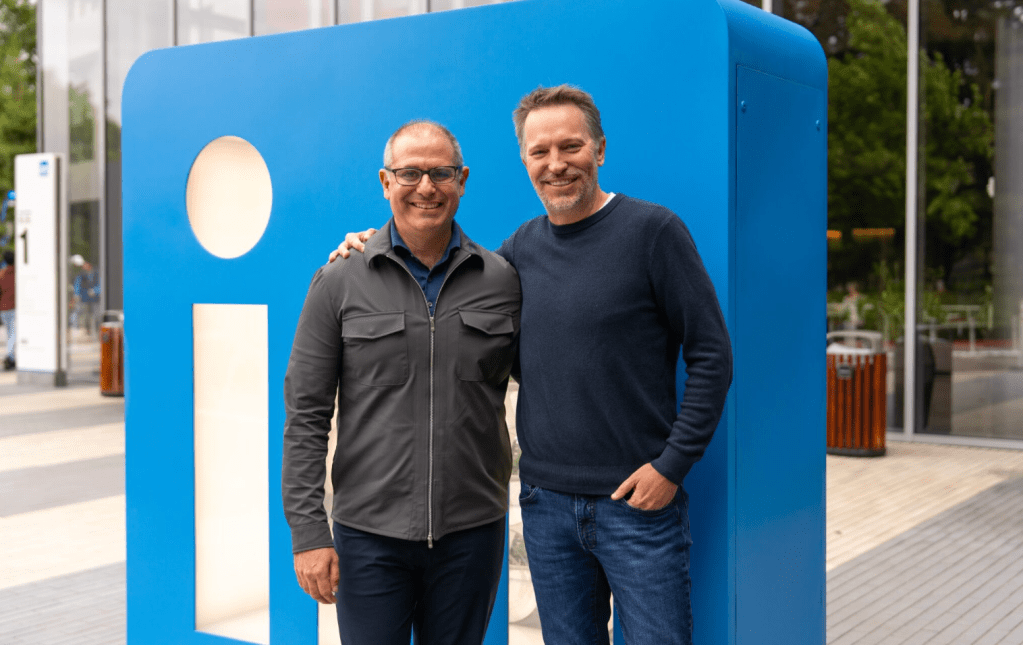
After six years at the helm of LinkedIn, Ryan Roslansky has resigned as CEO. The leadership baton is now passed to Dan Shapero, the company's Chief Operating Officer, who assumes the CEO role immediately, signaling a new chapter for the professional networking giant.