Prime Minister Andy Burnham has unveiled plans to establish the National Centre for Information Defence, aimed at combating disinformation and deepfakes from hostile foreign actors such as Russia. This new body will coordinate efforts among intelligence agencies, law enforcement, and social media companies to identify, attribute, and counteract foreign information attacks, many of which are amplified through AI technologies. Burnham emphasized the government's responsibility to protect British interests from the growing threat of information warfare.


Anthropic's seven co-founders are aiming to maintain majority control of the company after its public offering. They are proposing a special share class that would give them a combined 50.1% voting power on key corporate decisions, as reported by The Information. CEO Dario Amodei along with the other six co-founders are central to this effort, ensuring they retain decisive influence over the company's direction.


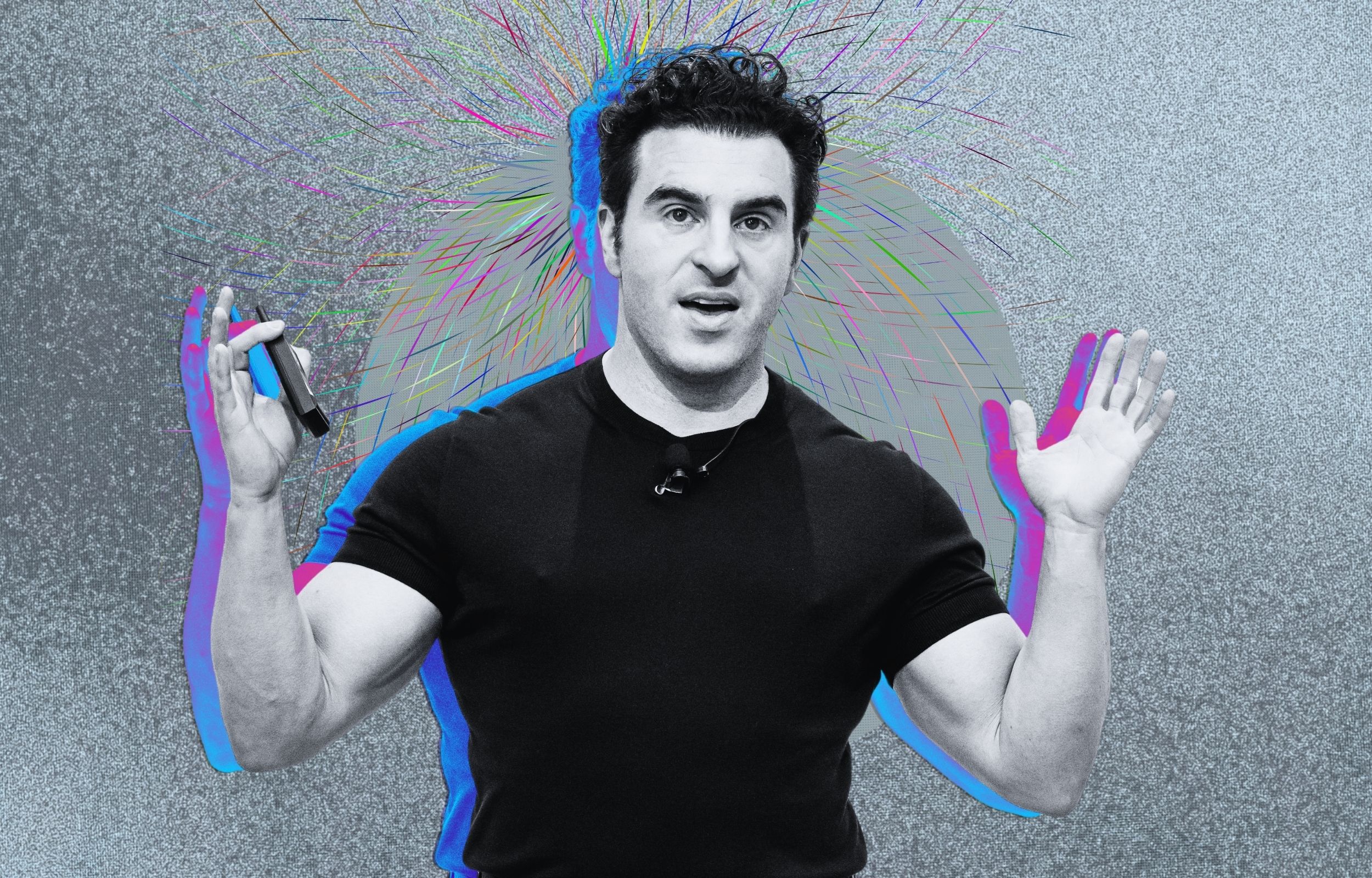
Brian Chesky, CEO of Airbnb, faced an overwhelming schedule filled with meetings. To tackle this common executive challenge, he developed an AI-driven system that significantly reduced the time he spends in meetings, allowing him to focus on more strategic priorities.

In a recent memo, Walmart CEO John Furner reassured employees and customers that the company will not implement AI or digital shelf labels to create personalized prices. The statement aims to clarify Walmart's position on maintaining standard pricing for all shoppers despite advances in technology.


In a candid conversation, Matthew Prince, CEO of Cloudflare, discusses the profound impact AI is having on the internet and the challenges it presents. With over half of internet traffic now driven by bots, Cloudflare is positioned uniquely at the intersection of technology and content creation, enabling website owners to control access, including paid access for AI agents.
Prince elaborates on how the traditional ad-based business model is failing in the face of AI-driven traffic and explores new models inspired by platforms like Spotify, where micropayments and incentivizing content creation become critical for sustaining quality information online. He highlights the escalating costs of infrastructure to support exploding AI demand and the need for innovative payment solutions, including revived internet protocols to monetize bot traffic.
The discussion also covers Cloudflare's internal restructuring influenced by AI, including layoffs and reshaped company dynamics, emphasizing a shift towards builders and sellers while automating measurement roles. Prince provides insights into leadership in the AI era, focusing on fairness, transparency, and recognizing talent through data-driven tools.
Addressing content moderation and ethical responsibilities, Prince reflects on past decisions to remove harmful sites and the evolving role Cloudflare plays in shaping the web’s future. He underscores a vision for the internet where incentives reward genuine knowledge creation over sensationalism, potentially reversing declines in unique content.
Overall, the interview offers an in-depth look at how AI disrupts internet economics, company operations, and leadership philosophy—showing Cloudflare’s efforts to build a sustainable and healthier internet ecosystem that benefits creators, companies, and users alike.

Jim Hagemann Snabe, the EU’s special envoy for industrial AI, has advised the EU’s 27 commissioners to focus on leveraging AI technology to boost Europe's lagging productivity rather than competing to create the most advanced AI models. This guidance was shared privately during a seminar, emphasizing the importance of practical AI use for economic growth. The story was reported by Zoya Sheftalovich for Politico and originally appeared on The Next Web.


Dr. André Martin, an organizational psychologist, shares five vital insights from his book Collective Confidence: The Winning Formula of the World’s Best Teams. In today’s fast-changing world, having a strong team is crucial as no one can thrive alone. Leading isn’t about having all the answers but about building collective confidence.
Key points include:
- The team is the core unit of performance. Teams thrive not because individuals shine alone but because they believe in their joint capability to solve challenges.
- Confidence can’t be gained only through motivation; it grows through small wins and shared experiences.
- Every team member must understand why their unique contributions matter.
- Borrowing brilliance from others, such as learning from past successes and industries, can elevate team performance.
- Empower everyone to lead in their own area, building shared leadership and collaboration.
These principles are illustrated through stories ranging from the grassroots rescuers during Hurricane Harvey to innovative teams at Google and entrepreneurial efforts turning passions into thriving businesses.


During a Workday-hosted roundtable in Dublin, four industry experts discussed the challenges of AI adoption, the urgency of reskilling, and the persistent underrepresentation of women in high-paying AI leadership positions.


The White House decided to stop moving forward with an executive order that would have shifted control over NIH research grants to political appointees, maintaining the traditional, non-partisan management of scientific funding.

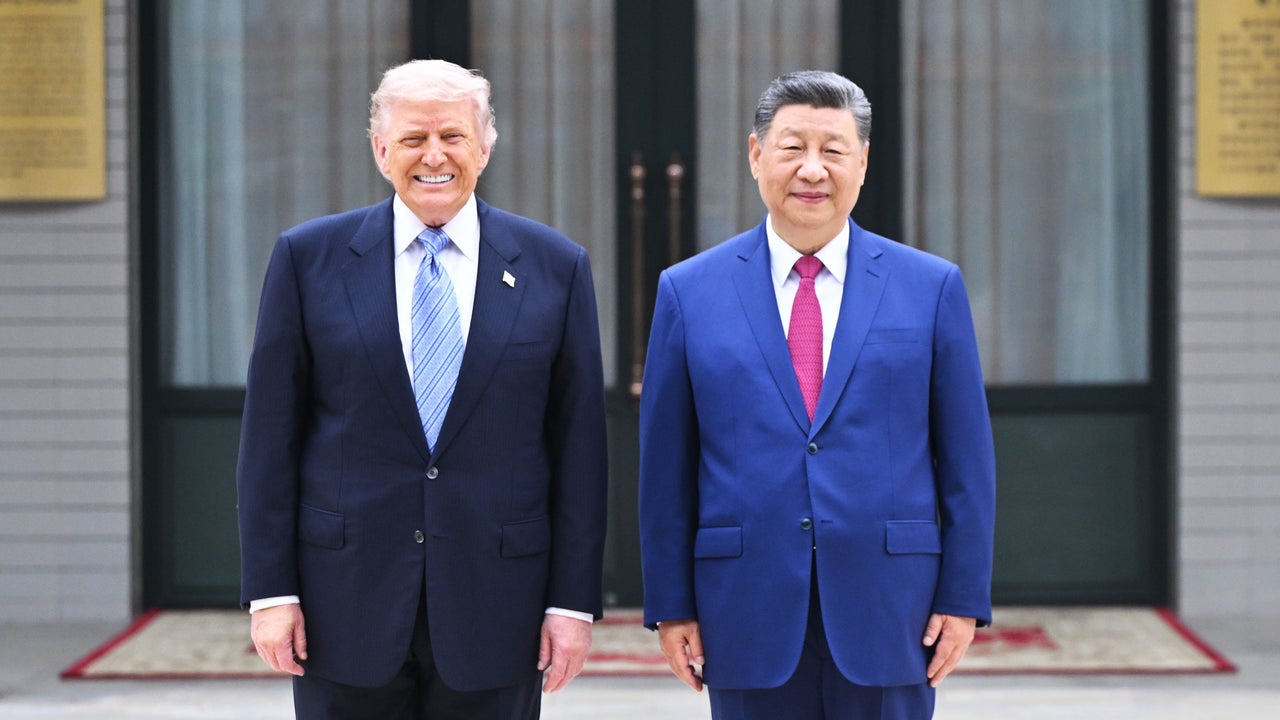
What's the current hot topic in AI? Is it the fear of uncontrollable AI models or the volatile markets affected by them? Or perhaps, it's about the very name "AI"—with debates on whether it should be called superior, extreme, or supreme intelligence. Donald Trump recently emphasized the importance of the name, declaring AI should be officially called "Super Intelligence" in U.S. documents, arguing that "artificial" makes the intelligence sound fake. Meanwhile, China is moving beyond naming debates to actively shaping AI's future with clear priorities: open-source development, human control, wider technology access, and international rules. China's government has implemented a thorough action plan addressing computing power, data access, standards, and safety governance, and is extending AI support to developing countries. Though China's approach raises concerns about restrictive policies and governance aligned with its own interests, it contrasts sharply with Trump’s focus on naming and rejecting global AI governance. Ultimately, what's more crucial than AI's name is who controls its development and rules—an issue China is tackling head-on while the U.S. remains distracted by semantics.