


Alan, the Paris-based insurtech that became the first new independent health insurer in France in 30 years, has secured €100 million in its latest funding round. Backed by prominent investors including Index Ventures, Shopify CEO Tobi Lütke, and World Cup champion Antoine Griezmann, Alan continues to expand rapidly. This fresh capital injection highlights the growing influence of digital innovation in health insurance.

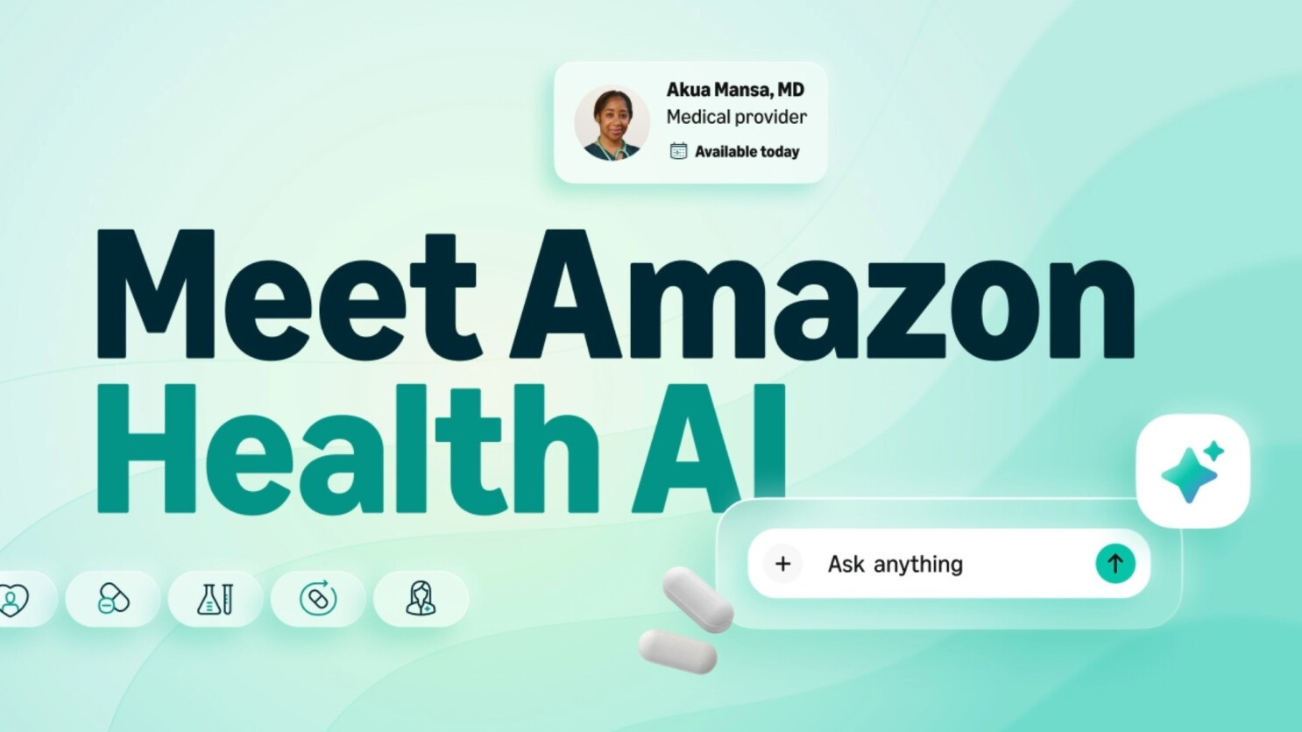
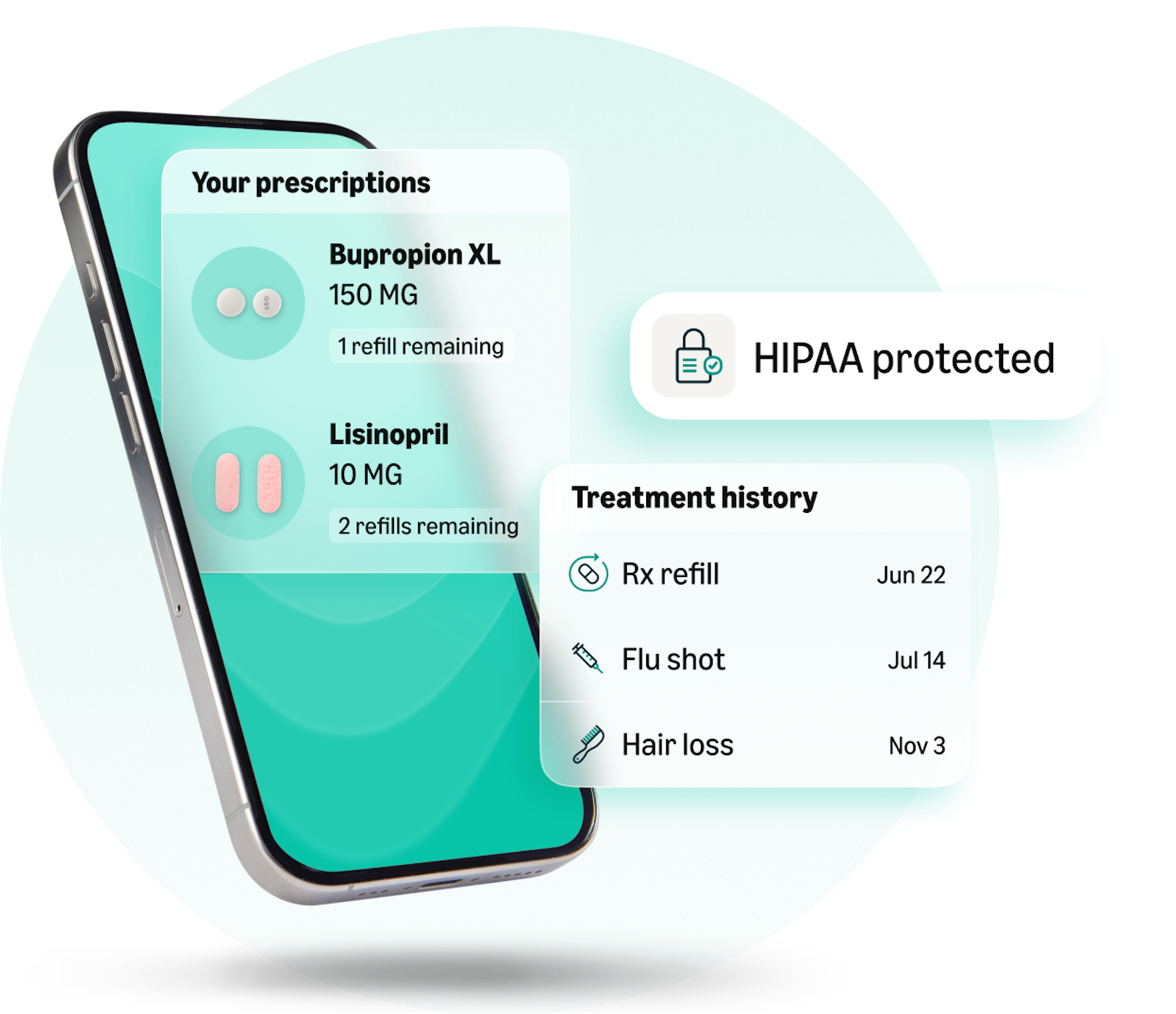
Amazon is now making its Health AI assistant accessible to every customer in the United States, three years after its significant $3.9 billion investment in One Medical. This rollout across Amazon's main website and shopping app aims to compete directly with leaders in healthcare AI like OpenAI's ChatGPT Health and Anthropic's Claude for Healthcare. Previously limited to One Medical users, the AI tool's availability has been broadened to serve a wider audience, signaling Amazon's deeper commitment to transforming healthcare through artificial intelligence.

A new Google AI project is designed to elevate heart health care for residents in Australia's remote regions by leveraging advanced technology to better detect and manage cardiovascular risks.


AI agents designed to support health care tasks are becoming increasingly common, as showcased at HIMSS 2026. Despite their growing presence, experts emphasize the urgent need for rigorous validation to ensure these technologies are safe and effective before widespread adoption.


Amazon has integrated a new AI-powered health assistant into its website and mobile app. This tool helps users navigate various common health issues and offers guidance on the next best steps to take.
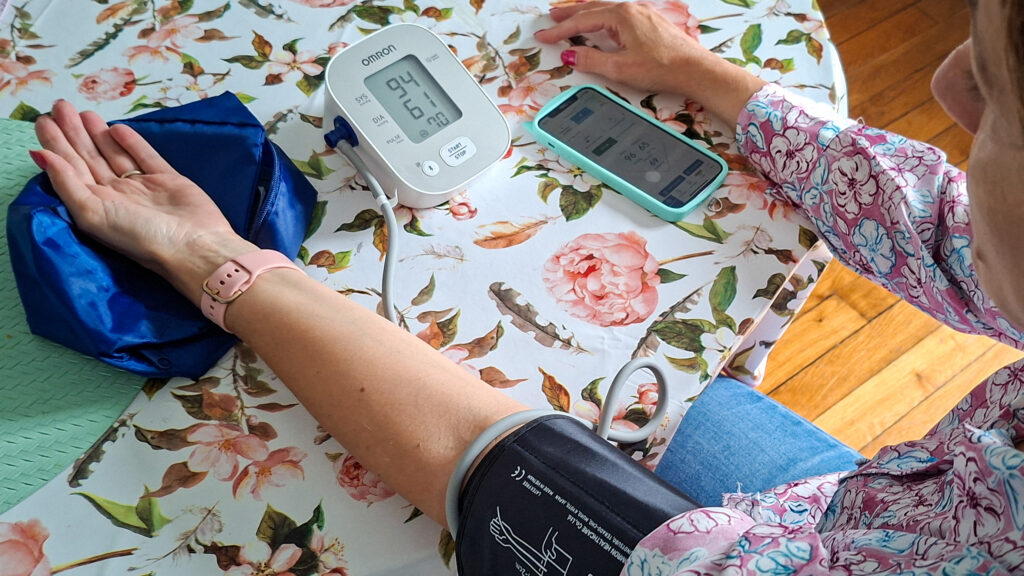
A health technology company specializing in remote patient monitoring is modifying its platform to participate in a new Medicare initiative. This program aims to better align healthcare payments with patient outcomes, focusing on chronic care management.
DeepRare, an advanced AI system equipped with 40 specialized tools, has demonstrated superior accuracy compared to medical experts in diagnosing rare diseases, according to a study published in Nature. For many patients, identifying rare conditions can be a long and frustrating journey involving consultations with various healthcare providers over several years. DeepRare aims to simplify this process by effectively integrating vast medical knowledge to recognize elusive symptoms often missed by specialists.


Science Corp., a biotech startup specializing in brain-computer interface technology, announced it has raised $230 million in a Series C funding round. Investors include Lightspeed Venture Partners, Khosla Ventures, Y Combinator, IQT, and Quiet Capital. Since its founding in 2021 by Neuralink co-founder Max Hodak and former Neuralink leader Alan Mardinly, the company has raised $489 million in total. Science Corp. is developing brain and retina implant systems to treat neurological and eye diseases, with plans to expand its clinical trials for its PRIMA BCI retinal implant to additional retinal conditions. The company recently acquired MEMS manufacturing assets to produce neural interface chips in-house, aiming to speed development and reduce costs. This rally of investment highlights the growing interest and competition in neural interface technologies, with other startups like Neuralink, Stairway Medical, and Paradromics also securing significant funding and advancing their technologies.


Amazon Web Services has unveiled Amazon Connect Health, a new AI-driven platform designed to optimize healthcare workflows. This platform assists with patient scheduling, documentation, and verification processes, aiming to improve efficiency and accuracy in healthcare facilities.

While AI's ability to weaponize biology is not widely discussed, seed-stage investors are betting heavily on biosecurity startups leveraging AI. Recently, two companies have raised significant seed funding with OpenAI as a notable backer. Valthos, which uses AI to detect biological threats and develop countermeasures, secured $30 million last fall with support from Founders Fund, Lux Capital, and OpenAI. Shortly after, Red Queen Bio raised $15 million, led by OpenAI, focusing on accelerating biosecurity defenses as AI advances. In the nonprofit realm, SecureBio obtained $1.4 million in grants to address pandemic threats.
Though these investments are small compared to the vast AI funding ecosystem—OpenAI alone raised a record $110 billion recently—they mark an emerging wave of startups targeting severe biosecurity challenges, beyond traditional focuses like livestock. Companies like Valthos highlight the alarming reality that biology can now be weaponized faster than cures can be developed. The Red Queen Bio team references the Red Queen hypothesis, emphasizing the need for constant innovation just to maintain safety in this rapidly evolving threat landscape.
This emerging sector reflects a critical and urgent race against evolving biological risks, where lagging behind could have catastrophic consequences.
