Perplexity, an AI search company, has introduced Perplexity Health, a new platform that connects health data from Apple Health, wearable devices, and electronic health records. This move places Perplexity as the second major AI platform to collaborate with Apple Health, following OpenAI. As consumer health AI emerges as one of the fastest-evolving sectors this year, Perplexity's launch marks a significant step into this competitive space.

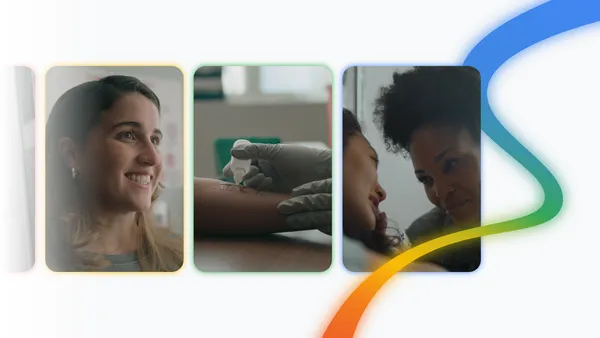
OB-GYNs are increasingly equipped and motivated to treat pain associated with gynecologic procedures, including IUD insertions, improving patient comfort and care quality.


At The Check Up, Google revealed a $10 million commitment to training clinicians in AI, while enhancing Search and Fitbit capabilities to deliver improved health insights and data accuracy.

Google has discontinued its AI search feature "What People Suggest" that offered health advice crowdsourced from non-professionals worldwide. Despite earlier claims that the tool could revolutionize global health outcomes through AI, the company faced increasing scrutiny over the reliability and safety of using amateur-sourced medical tips.

In recent scientific advances, US researchers have simulated a fruit fly’s brain digitally, enabling it to mimic real-life behaviors. Simultaneously, Australian scientists have successfully trained a petri dish containing 200,000 human brain cells to play the classic 90s video game Doom. These breakthroughs blur the line between biological brain activity and digital interaction, stirring both excitement and apprehension about the future possibilities of brain-computer interfaces and artificial intelligence. While these developments showcase remarkable innovation, they also prompt questions about ethical implications and the potential for lab-grown human consciousness or digital clones.


AI chatbots have been associated with suicides for some time, but now a lawyer is raising alarms about their involvement in mass casualty events. This expert warns that the rapid evolution of this technology is outpacing current safety measures, potentially leading to greater harm if not addressed promptly.

A groundbreaking review on 'AI psychosis' reveals that artificial intelligence chatbots might foster delusional beliefs, particularly among those already susceptible to psychotic symptoms. Published in The Lancet Psychiatry, the study emphasizes the need for clinical oversight by mental health experts when deploying AI chatbots, to mitigate potential mental health risks.

Microsoft has unveiled Copilot Health, a secure and dedicated space within its AI assistant designed to consolidate personal health data from sources like wearables, electronic health records, and lab results. Leveraging AI, Copilot Health creates what Microsoft refers to as a 'coherent story' of an individual's health status. The service began accepting waitlist registrations on March 12, 2026, with a gradual rollout planned.

Gestala, a Chinese brain-computer interface (BCI) startup founded just two months prior to its latest funding round, has raised $21.6 million, marking the largest early-stage BCI funding round in China. The round was heavily oversubscribed, reflecting strong investor interest. Founded by Phoenix Peng, who previously launched NeuroXess—an implantable BCI company focused on restoring communication and motor skills for patients with severe neurological conditions—Gestala aims to develop non-invasive ultrasound-based brain technology to broaden BCIs' applications.

A pioneering Google AI project is focused on enhancing cardiovascular health for residents in Australia's remote areas, aiming to deliver better heart health outcomes.