Eight Sleep, a New York-based startup focused on sleep technology, announced securing $50 million in funding at a $1.5 billion valuation. Led by Tether Investments, this strategic investment marks the company's second raise in a year, bringing total funding to over $250 million. Founded in 2014, Eight Sleep initially gained attention with its smart mattress, the Pod, which uses sensors and AI to optimize users' sleep by tracking and analyzing physiological data. The new capital will support the company's growth from sleep optimization into broader predictive, AI-driven health services. In 2025, Eight Sleep became cash flow positive and introduced three new products: Pod 5, Pod Pillow Cover, and Thermal Blanket. CEO Matteo Franceschetti highlighted the company's ambition to leverage its advanced AI health sensing technology beyond sleep, aiming to become a leading health technology company of this generation. The funding reflects broader investor interest in sleep and health tech, with companies like Oura also attracting substantial investment.


In this edition of STAT's AI Prognosis, Brittany Trang explores how medical malpractice insurance is evolving in response to the growing integration of artificial intelligence in healthcare. The discussion covers the challenges and adaptations insurers face as AI technologies become more prevalent in medical practice.

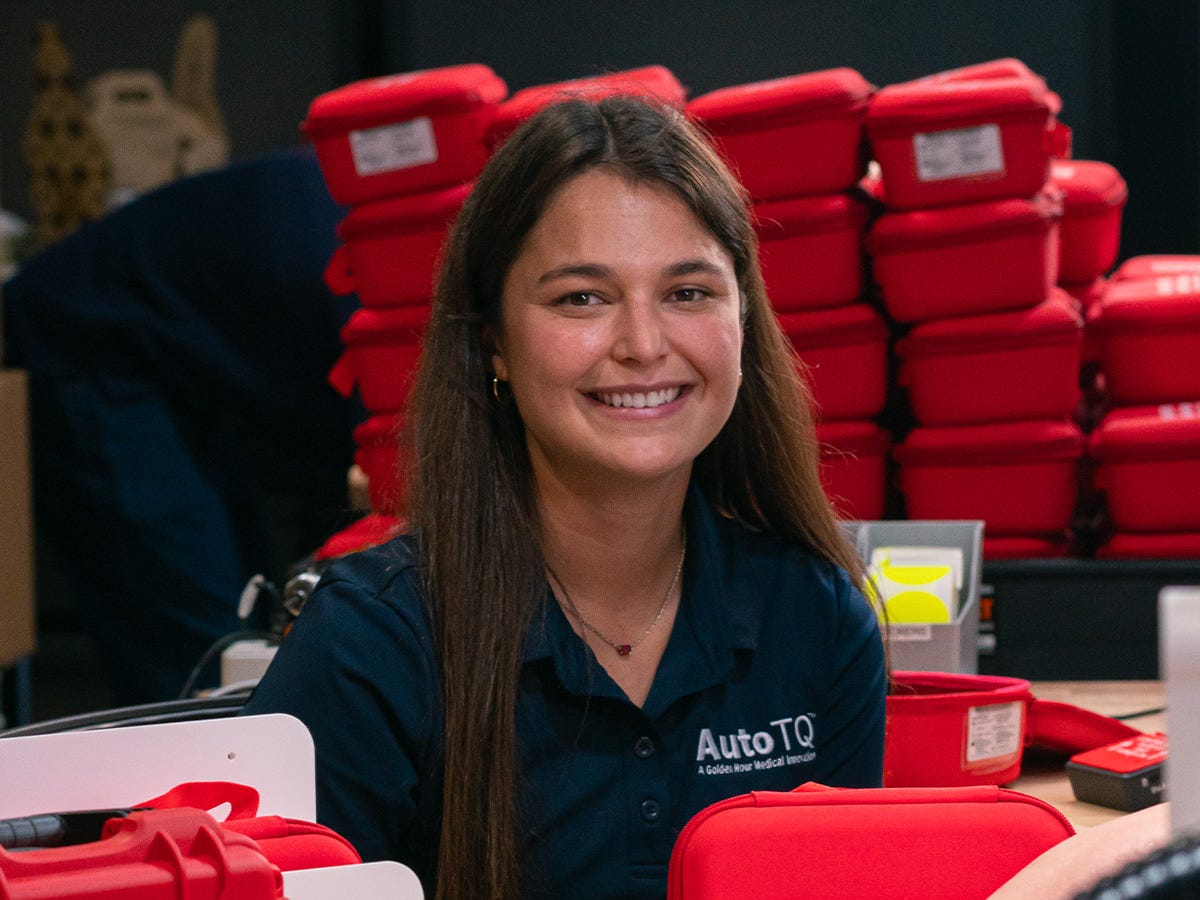
AutoTQ is an innovative automatic tourniquet designed to empower bystanders to quickly control bleeding in emergencies. Golden Hour Medical is advancing trauma care by promoting workplace safety and integrating these life-saving kits in various environments. The product's success has been fueled by word-of-mouth, having already sold hundreds of kits.

Qura, a Milan-based startup leveraging AI technology, has secured €1.5 million in a pre-seed funding round led by United Ventures. The round also included contributions from Vento, Italian Angels for Growth, and other investors. Qura aims to transform how health management is approached throughout Europe by offering a full-stack, AI-powered health platform.

Moderna is set to pay Roivant up to $2.25 billion as part of a settlement that resolves a major patent lawsuit related to mRNA vaccine technology. This agreement brings significant financial benefits to Arbutus and Roivant, while enabling Moderna to avoid a potentially severe legal setback.

From the 'Make Europe Healthy Again' initiative to breakthroughs in AI-assisted surgery, this edition of Morning Rounds highlights significant developments in healthcare innovation. Discover how MAHA evolved into MEHA and the impact of generative AI on patient care during surgery.
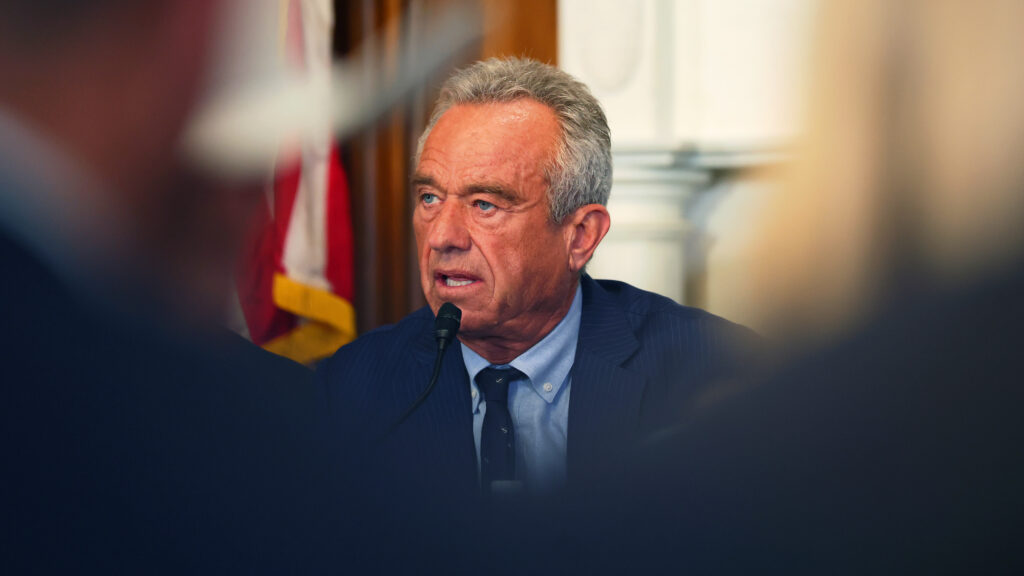

As AI-driven health tools from OpenAI and Anthropic emerge, medical professionals emphasize that while chatbots can simplify complex medical information, they are not substitutes for professional healthcare providers.
Researchers at Waterloo have advanced an innovative technique that uses bacteria to target and destroy cancer cells. Although the concept of bacterial attack on tumors isn't new, their solution overcomes a significant obstacle traditionally limiting this approach's success.


A recent study reveals that ChatGPT Health, an AI-based health advisory tool, missed recommending hospital visits in over half of critical cases. The platform also frequently failed to recognize signs of suicidal thoughts, raising concerns among experts about potential harm. Launched by OpenAI in January for select users, ChatGPT Health allows individuals to link medical records and wellness apps for tailored advice. Despite being used by over 40 million daily for health inquiries, the AI's limitations highlight serious safety considerations.
Digital twins, once considered a complex and experimental concept in preventative health, are rapidly becoming viable thanks to advances in artificial intelligence and new data on genomics, patient outcomes, and drug effectiveness. These technological strides are bringing the vision of personalized health simulations closer than ever before, offering potential breakthroughs for early intervention and tailored treatments.