As AI-driven vibe-coding tools empower publishers to create their own software and digital products, the traditional choice between building in-house or buying external solutions is being transformed by what’s now called the 'SaaS-pocalypse.' This shift challenges conventional development strategies within the publishing industry.


Since its founding in Silicon Valley in 2019, NTT Research has stood as a long-term science laboratory under the NTT Group umbrella, investing billions into global research. Traditionally focused on fundamental breakthroughs with timelines spanning five to fifteen years, NTT Research is now evolving with "NTT Research 2.0," an initiative to bridge deep technological discoveries and market readiness. This strategy centers on Scale Academy, an incubator designed to convert advanced research into viable startups without compromising scientific rigor. Under CEO Kazu Gomi, the organization balances patient foundational work with startup-like speed through separate yet collaborative teams—scientists driving discovery and business experts focusing on commercialization. A key example is SaltGrain, a zero-trust data security platform leveraging attribute-based encryption enhanced for modern AI demands. This innovation targets current challenges of securely managing sensitive data access by AI agents, embedding policy into data itself. While early-stage post-quantum cryptography solutions are in development, immediate deployment prioritizes practical market impact. NTT's dual focus seeks to synergize deep research excellence with the realities of enterprise needs and startup agility, aiming to establish a sustainable model for turning pioneering science into impactful businesses.

In today's discussions about artificial intelligence, the conversation often swings between extremes: total automation utopias and dystopias where human creativity is lost. Yet, a more balanced approach—pragmatic optimism—acknowledges that we are amid a human revolution, not just a technological one. Future-leading organizations will leverage AI not just for speed or volume, but as a powerful catalyst for creativity, freeing people to imagine, connect, and craft meaning. Rather than erasing human insight, AI should complement it, fostering a global intelligence surge and making way for productivity and wage growth.
To achieve this, workplaces must cultivate environments where creativity and psychological safety thrive, integrating the principles of Move, Think, and Rest. This means embracing friction as a productive learning space, protecting spontaneous, high-touch encounters that fuel innovation, and dedicating attention deliberately to what truly matters. AI should give us back time to focus on real experiences and thoughtful reflection, rather than simply increasing busyness.
Ultimately, by intentionally designing processes that blend human and machine intelligence, we become architects of a future where AI enhances what makes us uniquely human—creativity, resilience, and meaningful connection. This is the way to ensure that the promise of the Imagination Era is realized by design, not default.

Adopting AI in the workplace is less about the technology and more about reshaping how teams work together and embrace new behaviors to achieve real outcomes. We are now witnessing a divide between "AI natives" and those slower to adapt, highlighting the urgent need to rethink organizational structures and roles as AI transforms skill sets and processes. Traditional knowledge work runs on two parallel tracks: established administrative tasks and emerging AI-driven automation. The challenge lies in making this switch without business disruption, as skilled personnel capable of implementing AI tools remain scarce. This hybrid approach demands balancing human roles with machine capabilities, yet the biggest obstacle to progress is often people and their resistance to change. Studies and books like Dan Davies' "The Unaccountability Machine" reveal how modern businesses struggle with diluted accountability, which AI can help clarify if thoughtfully applied. Successful AI integration requires passionate innovators within organizations who are willing to experiment, make mistakes, and drive new methods of AI orchestration. Choosing innovation over clinging to outdated practices is essential for thriving in this new era.

Back in 2002, only 45% of the world's top 250 companies reported on sustainability. Today, that figure has surged to 96%. Sustainability is no longer a mere differentiator but has matured into a foundational element of business operations. As geopolitical and regulatory landscapes shift, businesses must embed sustainability deeply into their strategies to remain resilient and competitive.
Leaders who integrate sustainability at the heart of their operations—considering factors like climate impact, resource use, and regulatory requirements—are better equipped to navigate risks and seize opportunities. For instance, investments in energy-efficient infrastructure can simultaneously boost productivity and reduce emissions, highlighting sustainability's role in driving long-term value.
Moreover, putting customer needs first by addressing environmental concerns fosters innovation and competitive advantages. Companies like Liberty Coca-Cola and Costco exemplify how sustainable solutions, such as replacing plastics with paperboard or reinventing packaging design, can create tangible benefits for both business and the planet.
Ultimately, successful leadership today involves transforming sustainability from a goal into a strategic driver that fuels innovation, resilience, and growth across industries.


This is no ordinary AI. It proactively drives change and helps you stay ahead in business.


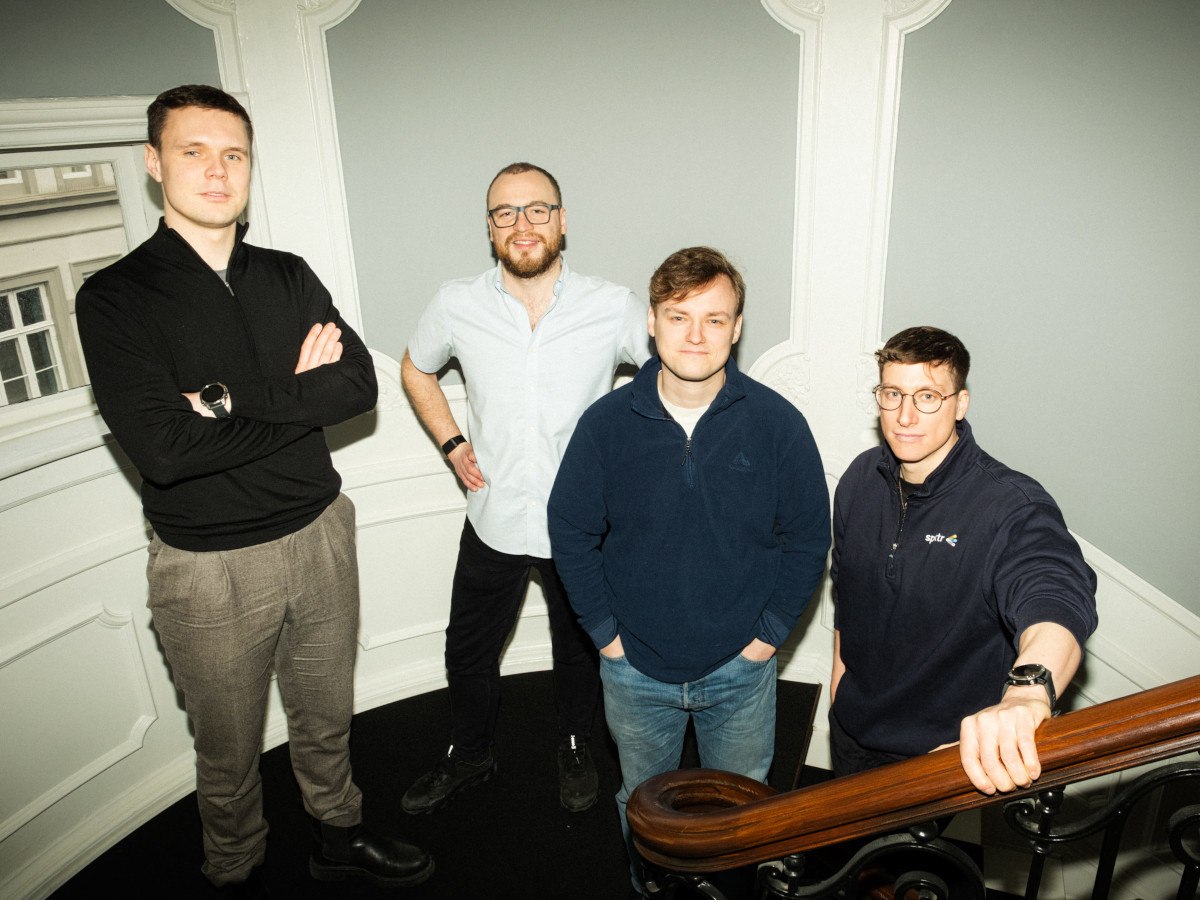
Spektr, a Copenhagen-based AI start-up focused on finance, has raised $20 million in new funding. The capital will support the expansion of its AI platform tailored for banks and fintech firms, aiming to boost adoption among financial institutions worldwide.
Stephen D Turner from the University of Virginia highlights the critical need for effective governance and oversight as AI takes a larger role in conducting laboratory experiments. The piece examines the risks and responsibilities tied to delegating experimental tasks to non-human agents.


Unconventional Ventures (UV) has successfully completed the second closing of Fund II amid a tough global economic environment characterized by uncertainty and restricted capital availability. This milestone underscores UV's dedication to backing founders who are often overlooked by traditional investors, aiming to provide support and resources where they are most needed.


To reduce reliance on foreign technology, the UK government is investing £675 million into local AI startups, aiming to foster homegrown innovation and secure technological independence.