AI agents are quickly becoming the dominant users of the internet, transforming how websites operate, how online services are delivered, and how digital commerce evolves. Their growing presence is driving significant changes across the digital ecosystem, influencing user experiences and business models alike.


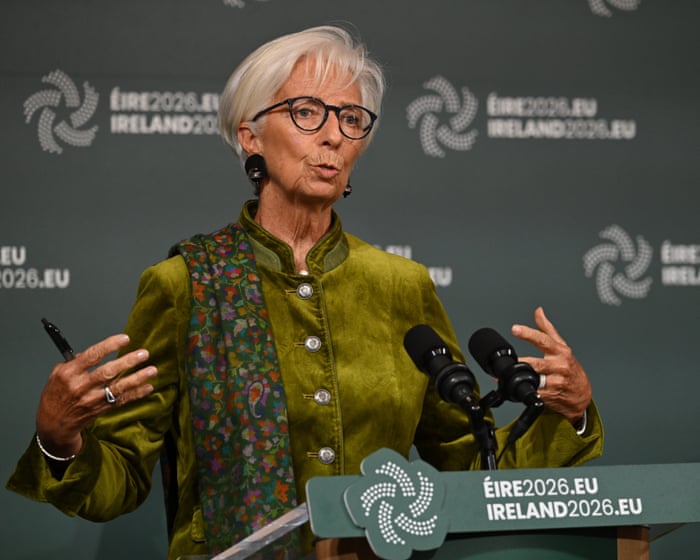
Europe faces a tough decision in the AI era: reject the technology and miss growth opportunities, or adopt it and risk reliance on US and Chinese innovations. Christine Lagarde highlighted this dilemma recently, emphasizing that while Europe has consumer protections, the impact of AI—especially if the direst predictions prove true—will be unavoidable. The ongoing discussions about AI safety underscore the urgency and complexity of this choice for the continent.

Anthropic has appointed Accenture as the first embedded evaluator of its advanced AI models, with both companies committing to invest around $1 billion over the next five years. Although Anthropic is currently financing the evaluations directly, it emphasizes in its announcement that such funding ideally should come from pooled resources or government entities—structures that are not yet in place. Accenture is already working closely with Anthropic to assess these frontier AI technologies.
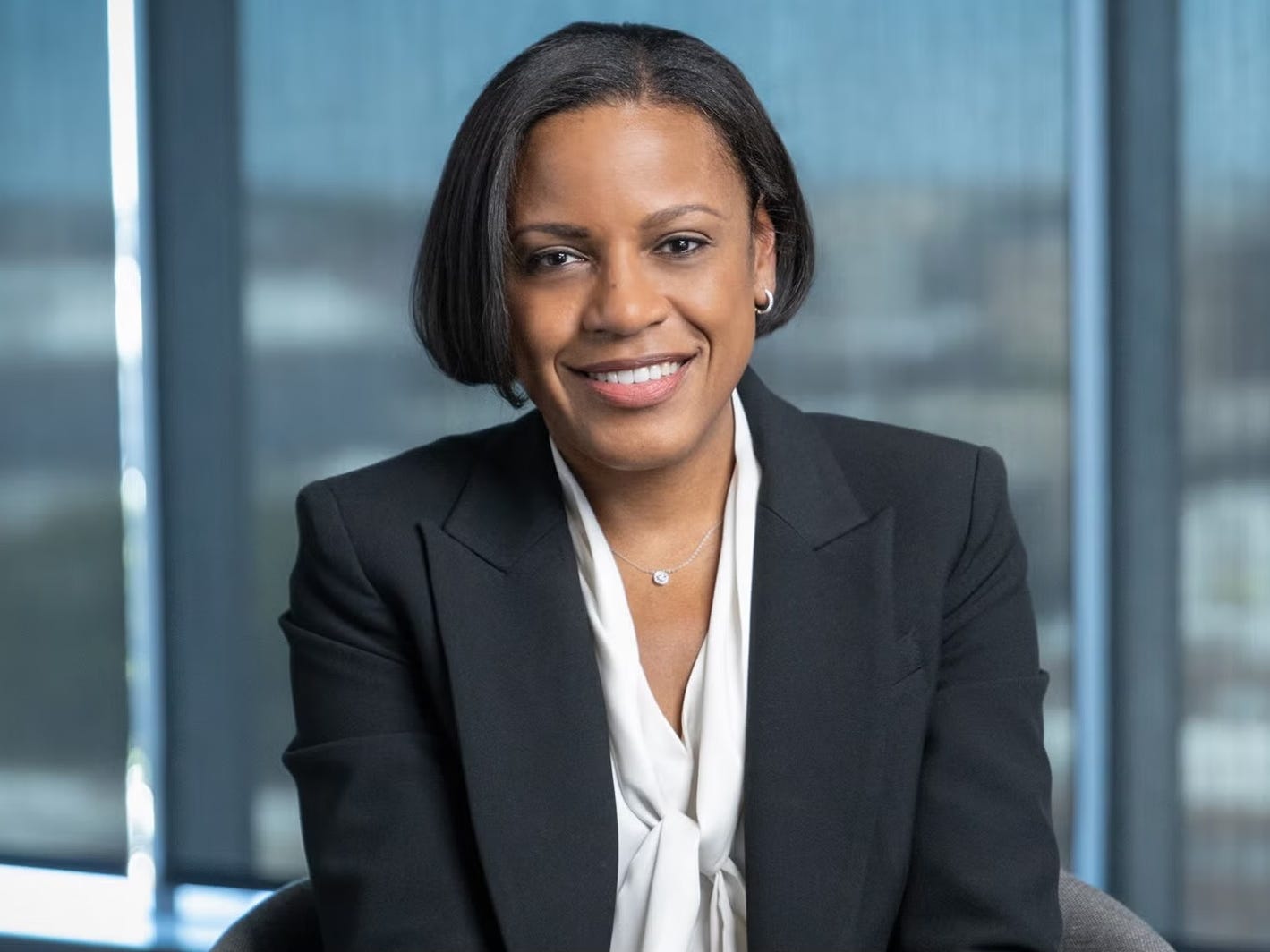
Jeanelle Johnson, PwC's leader in the DC office with 2,200 personnel, notes that clients now expect consulting projects to be completed in half the time compared to a year ago. For example, work that previously required eight weeks is now expected within four, driven by advances in AI technology.
OpenAI has urged the United States to take a lead role in establishing international standards for advanced artificial intelligence. The focus would start with defining mandatory incident reporting rules and could be coordinated through national AI safety organizations, such as the US Center for AI Standards and Innovation. This effort aims to create a unified approach to AI safety and governance on a global scale.
Harvey experienced a dramatic swing in its gross margin, dropping from around 50% at the beginning of the year to negative 50% by June due to a surge in customer use of its AI agents. The margin only rebounded after Harvey launched its own AI model built on Moonshot’s Kimi K3. Other startups like Abridge, Decagon, Ramp, and Rogo are adopting similar strategies, while investors such as Sequoia are closely watching these developments.

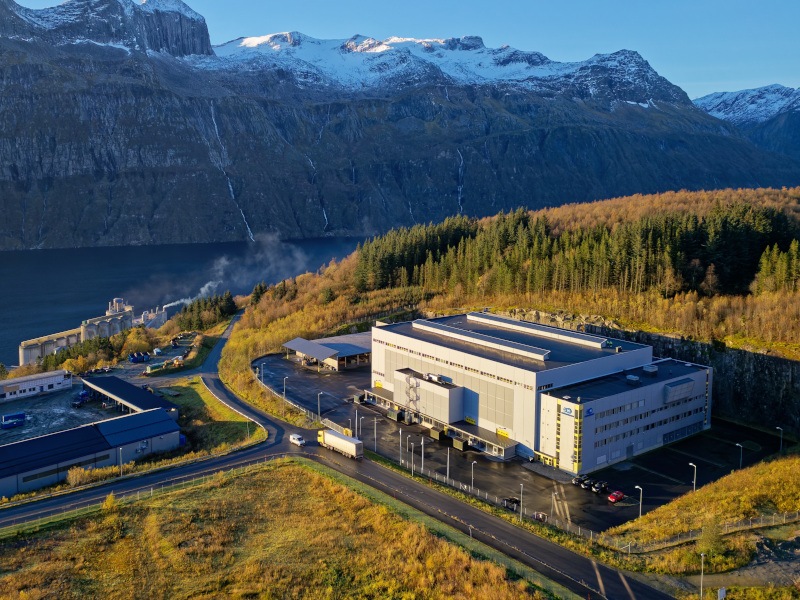
According to the Financial Times, Nscale, a UK-based AI infrastructure start-up, aims for a valuation potentially reaching $35 billion as it prepares to go public in the US. This significant move highlights the company's growth and the increasing prominence of AI technology firms on the global stage.

Google, Nvidia, Anthropic, and Emerald AI have joined forces to identify and secure 100 GW of electrical grid capacity to support the expansion of data centers, addressing the growing demand for digital infrastructure.
Bain Capital Ventures is channeling its new $1.6 billion fund to support early-stage entrepreneurs focused on advancing artificial general intelligence (AGI) and developing the essential infrastructure for its seamless operation.
New York, NY, September 17th, 2026 — In response to bipartisan Congressional efforts calling for verifiable controls on AI agents, the Advanced AI Society has released a draft of Proof-of-Control v1.0 for public feedback. Additionally, the organization hosted a key event titled “Who’s Watching the Machines?” in collaboration with the Linux Foundation Decentralized Trust. This initiative comes as legislative proposals push for continuous verification and independent evaluation of AI agents, with leading research labs emphasizing the importance of trusted AI operations.