The FDA has given the green light to Eli Lilly's Onswik, a once-weekly basal insulin injection designed for adults managing type 2 diabetes. This approval marks a significant step forward, providing an alternative to the traditional daily long-acting insulin shots, potentially improving treatment adherence and patient convenience.

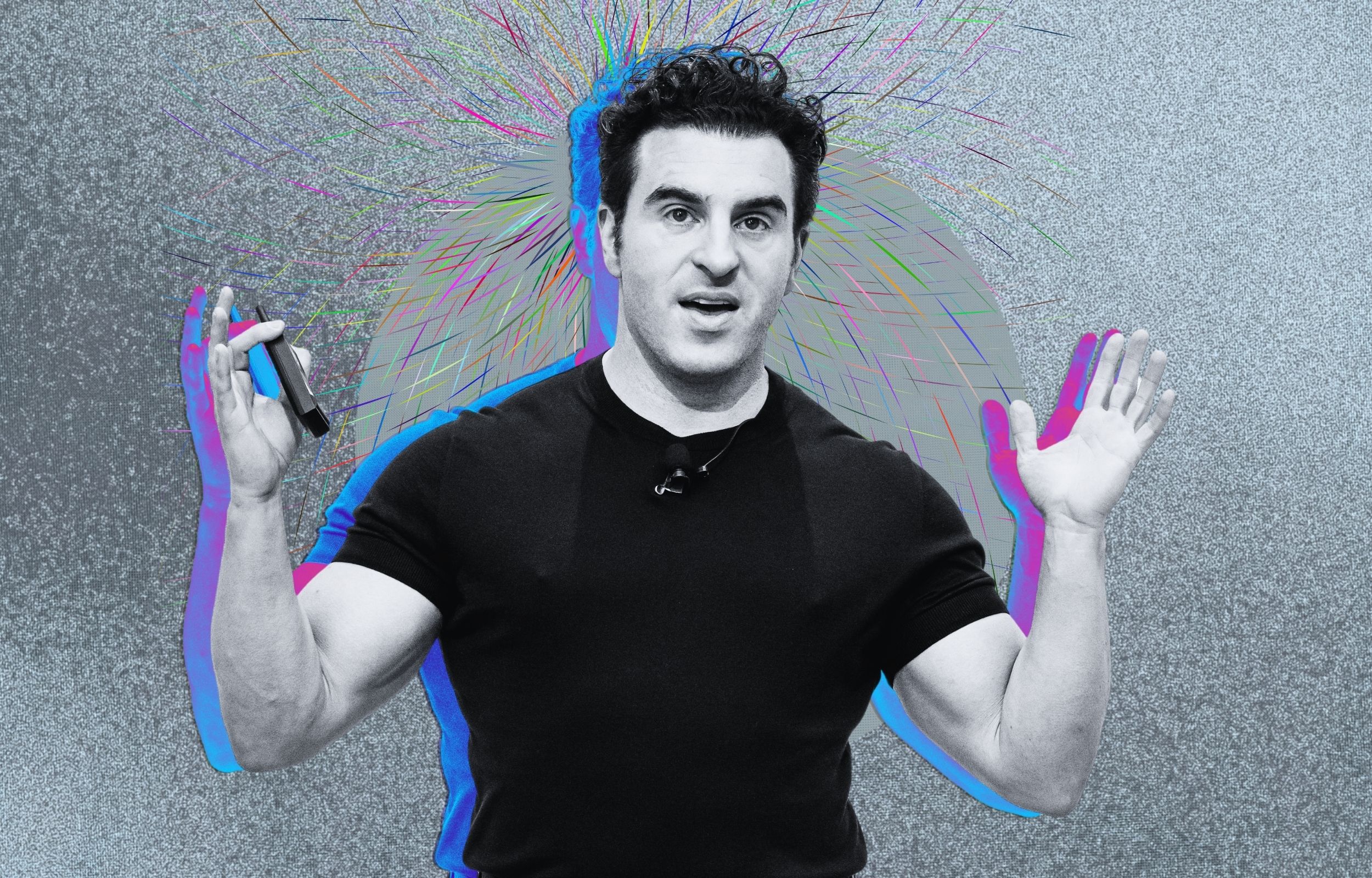
Brian Chesky, CEO of Airbnb, faced an overwhelming schedule filled with meetings. To tackle this common executive challenge, he developed an AI-driven system that significantly reduced the time he spends in meetings, allowing him to focus on more strategic priorities.

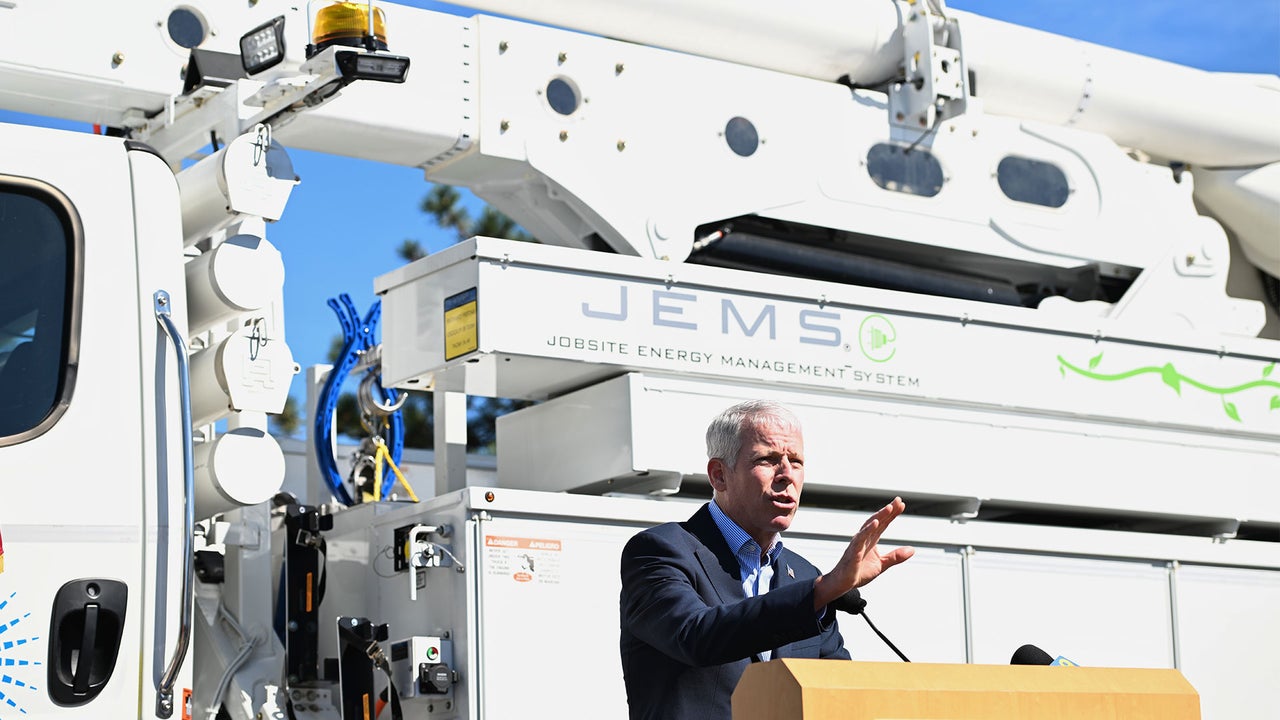
The U.S. Energy Department announced a $2 billion investment aimed at strengthening the nation's aging power grid through 31 projects in 26 states, expected to add over 23 gigawatts of electricity capacity—enough to power 16 million homes. These efforts focus on deploying advanced technologies like sensors for real-time weather monitoring to optimize electricity transmission and avoid congestion. The upgrades aim to boost power reliability and reduce costs for around 100 million Americans. The initiative comes amid rising electricity demand driven by the rapid growth of AI-powered data centers and addresses concerns that energy infrastructure may be overwhelmed. Some projects, such as a $71.5 million modernization of high-voltage lines in northern Pennsylvania, respond directly to surging local demand. Funding from the bipartisan infrastructure law will be matched by recipient contributions, with utilities, cooperatives, and state agencies receiving grants. The Energy Department hopes these improvements will be in place before winter to mitigate potential price spikes during extreme weather. The investments mark a significant step toward modernizing America's electric grid with cutting-edge technology while balancing political and environmental challenges around energy sources and data center expansion.

David Heinemeier Hansson, creator of Ruby on Rails, announced that his software company has stopped writing code manually. Going forward, handwritten code will only be produced when AI tools are unable to perform the task, marking a significant shift towards automation in software development.


Would you be ready to trust an AI agent to manage your Amazon store? This possibility might be closer than you think. However, true AI-driven transformation goes beyond simple AI tools that just fill gaps. It demands developing a foundational infrastructure that enables AI agents to design and oversee their own workflows. We gathered perspectives from 7 seasoned e-commerce experts on what still isn’t working and what the industry needs to advance.

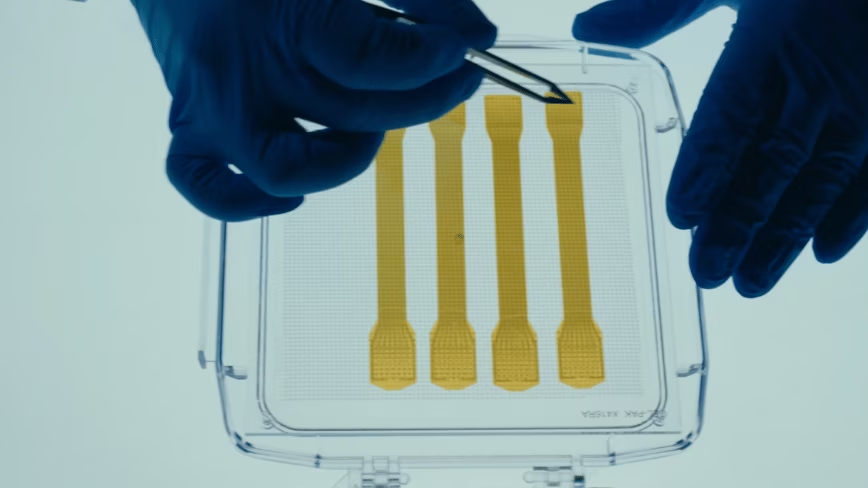
Precision Neuroscience announced the closing of a $250 million Series D funding round for its brain-computer interface technology. The investment round was led by Bill Ackman’s Pershing Square, the Ackman Oxman Institute, and an undisclosed life sciences fund. This latest funding values the New York-based company at just over $1 billion, according to The New York Times. The influx of capital highlights growing interest in advanced neurotechnology solutions.
OpenEvidence, known as the 'ChatGPT for doctors,' has secured nearly $800 million in funding over the past year. This impressive capital influx comes from prominent investors including Nvidia, Thrive Capital, Kleiner Perkins, a16z, and Sequoia Capital, leading to a $15 billion valuation for the startup.
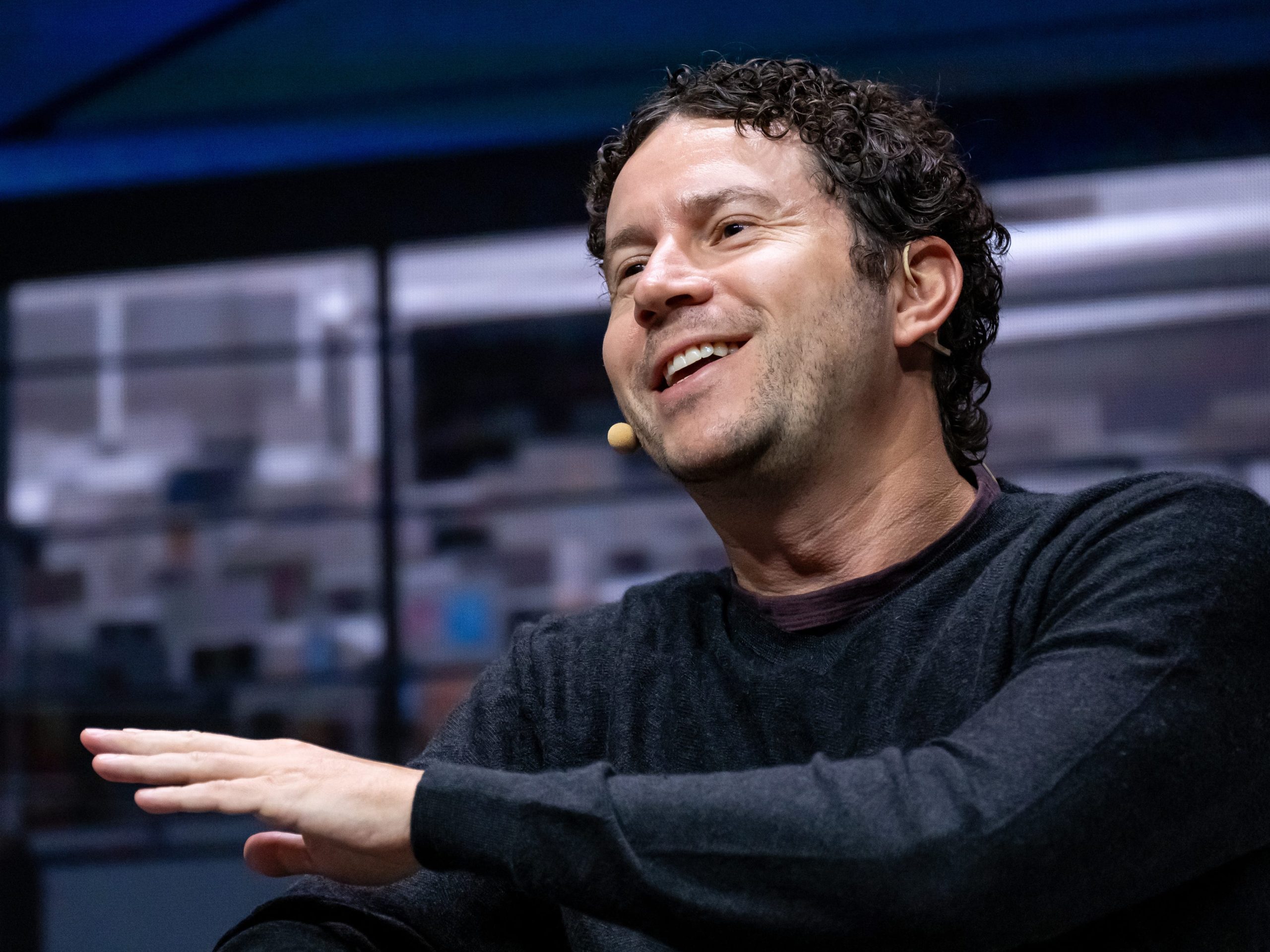
Radiology is witnessing a transformative shift as practices increasingly integrate AI by developing and deploying it internally. These 'AI-native' radiology services are reshaping the landscape, blending technology creation directly with clinical application and establishing a new standard in medical imaging.


This year marks a surge in hefty Series A funding rounds for top startups, with over 114 rounds exceeding $100 million globally, according to Crunchbase. Collectively, these startups have raised around $33 billion, including 12 rounds worth $500 million or more. The spike is largely driven by AI-focused ventures, making up over 70% of these mega Series A rounds. Notable deals include River AI's $1.2 billion raise and Xpeng Robotics' $900 million financing. US startups dominate half of these large rounds, tallying $15 billion and setting new records in 2026. Investors with large reserves are aggressively backing promising sectors and teams early, betting big on potential winners.


Bessemer Venture Partners has announced a new $5.75 billion fund focused on investing in AI-native companies, which they believe are expanding faster than any other technology sector in history.