


Amid a surge in AI startup investments, Corgi has rapidly raised funds through three consecutive rounds, reaching a notable $4 billion valuation. This rapid fundraising pace highlights Corgi's standout position in the competitive insurance technology landscape.


Startup funding has evolved dramatically from small investments to colossal billion-dollar-plus rounds. In 2026, about 60% of all global startup funding, roughly $320 billion, was allocated to rounds exceeding $1 billion, indicating a steep upward trend. The U.S. market is even more concentrated with 73% of funding flowing into megadeals, notably driven by AI leaders OpenAI and Anthropic, whose combined investments exceed half of the total. These mega rounds are not only growing in size but also frequency, with 23 billion-dollar rounds already closed in the U.S. this year, matching last year's record pace. Historically, billion-dollar venture rounds began with Uber’s $1.2 billion Series D in 2014, followed by prominent firms like SpaceX, Airbnb, and Lyft. While many of these companies have thrived, others like Argo AI and WeWork highlight the risks involved. The rise of these massive funding rounds signals a new era where investing huge sums in unicorns can bring high rewards but also considerable uncertainty. As companies like OpenAI and Anthropic prepare to go public, the potential returns and risks of these unprecedented mega rounds will soon become clearer.


The US government will invest $5 billion to address critical scientific challenges across various disciplines using artificial intelligence, according to a statement from the Trump administration. This funding will enable 15 federal agencies to explore fundamental causes of chronic illnesses, speed up drug development, and create more durable materials. Scientists will gain access to Department of Energy supercomputers, specialized AI datasets, and other essential tools to enhance their research capabilities. The initiative also signals a shift in federal research funding priorities, emphasizing support for individual scientists and AI technologies over traditional university grants.


Forward Deployed Engineers are stepping into businesses to tackle the complexities created by AI systems. But will they be the ultimate solution to the challenges AI brings?


Inflection AI, the Palo Alto startup once a cautionary tale in Silicon Valley about frontier AI economics, is making a bold return to the consumer market. The company unveiled Inflection AI Labs, a public research and experimentation arm, alongside Pi Journeys—an innovative AI experience tailored to different life stages, such as parenting, caregiving, career changes, or aging. This new approach aims to shift AI from transactional interactions to relational intelligence, focusing on understanding users and their social webs, fostering connections rather than isolation.
CEO Sean White outlined this vision, highlighting a progression from raw intelligence to emotional, agentic, and now relational intelligence. Pi Journeys proactively supports users by mapping key relationships and life events to enhance daily interactions, while embedding strong privacy controls.
The launch includes insights from the State of Consumer AI Research Report, showing diverse AI tool use and demand for more personalized, emotionally aware AI assistants for everyday life. Despite significant staff losses to Microsoft in a $650 million deal and a strategic shift toward enterprise, Inflection AI now blends consumer and enterprise strategies, leveraging consumer insights to fuel technological advances.
Looking ahead, White anticipates a growing enterprise interest in relationship-aware AI within six months, signaling a new phase in AI adoption. Inflection's consumer-focused, relationship-centric AI stands out in a market dominated by giants prioritizing productivity and development tools. The company bets on its unique value proposition: AI that values the people in your life over just tasks.


Business leaders must follow essential steps to successfully integrate AI into their operations and achieve meaningful results.


French AI startup Mistral is in the process of raising several billion euros, targeting a valuation of €20 billion. Samsung is reportedly one of the key investors in discussions to participate in this funding round, according to the Financial Times.

Prima is a thin, photovoltaic sub-retinal implant designed to restore vision in individuals affected by geographic atrophy. This breakthrough device offers new hope for patients suffering from this degenerative eye condition by harnessing advanced photovoltaic technology.
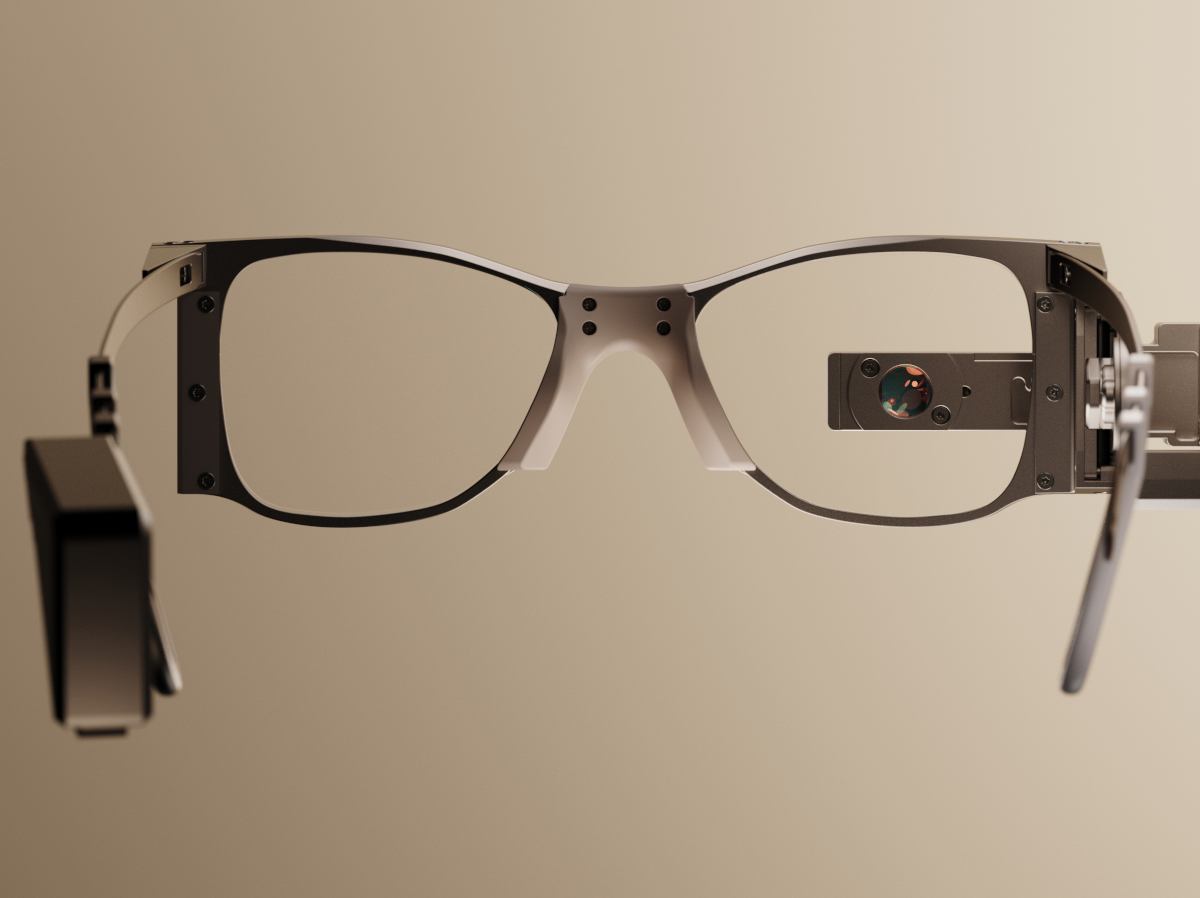

Arrakis, a startup based in London and Paris, has come out of stealth mode with $38 million in funding. The company is developing an AI operating system specifically designed for industrial sectors, focusing on factories and supply chains rather than traditional office software. With a $30 million Series A raise, Arrakis aims to unlock significant value by applying artificial intelligence to optimize industrial operations.

Glow is focusing on addressing emerging endpoint security threats driven by the widespread integration of AI agents and developer tools within enterprise environments.
