Advancing into a leadership role doesn't always mean you possess all the necessary skills from the start. It’s important to adopt a continuous learning approach to enhance your capabilities and prepare effectively for the challenges ahead.

Dr. Vivek Soundararajan from the University of Bath explores the evolving landscape of workplace learning and training for the next generation in light of AI advancements.


AI advancements deliver the greatest impact when shaped by the firsthand experience of frontline employees who know how solutions work in everyday operations.


Discover four effective and actionable strategies designed to break through the common obstacles in AI implementation within companies.


In 2026, employers are eager to integrate AI into daily business operations, focusing more on candidates who can apply AI technology effectively rather than build it from scratch. Upwork's recent report reveals a 109% rise in demand for AI-related skills, especially in AI video and content creation, integration, and data annotation. At the same time, human skills like creativity, emotional intelligence, and adaptability are increasingly valued as essential complements to AI tools. Experts highlight that AI is augmenting rather than replacing human work, emphasizing the synergy of technology and uniquely human abilities. This shift marks a gradual return to hiring as companies understand the real impact of AI on the workforce. Workers who blend technical knowledge with strong human skills will be best positioned for success in an AI-enhanced job market.


At ElevenLabs, an AI startup valued at $11 billion, a lean team of sales representatives faces rigorous quotas, needing to generate 20 times their base salary to remain on the team. This high-performance expectation underscores the company's aggressive growth strategy within the competitive AI landscape.

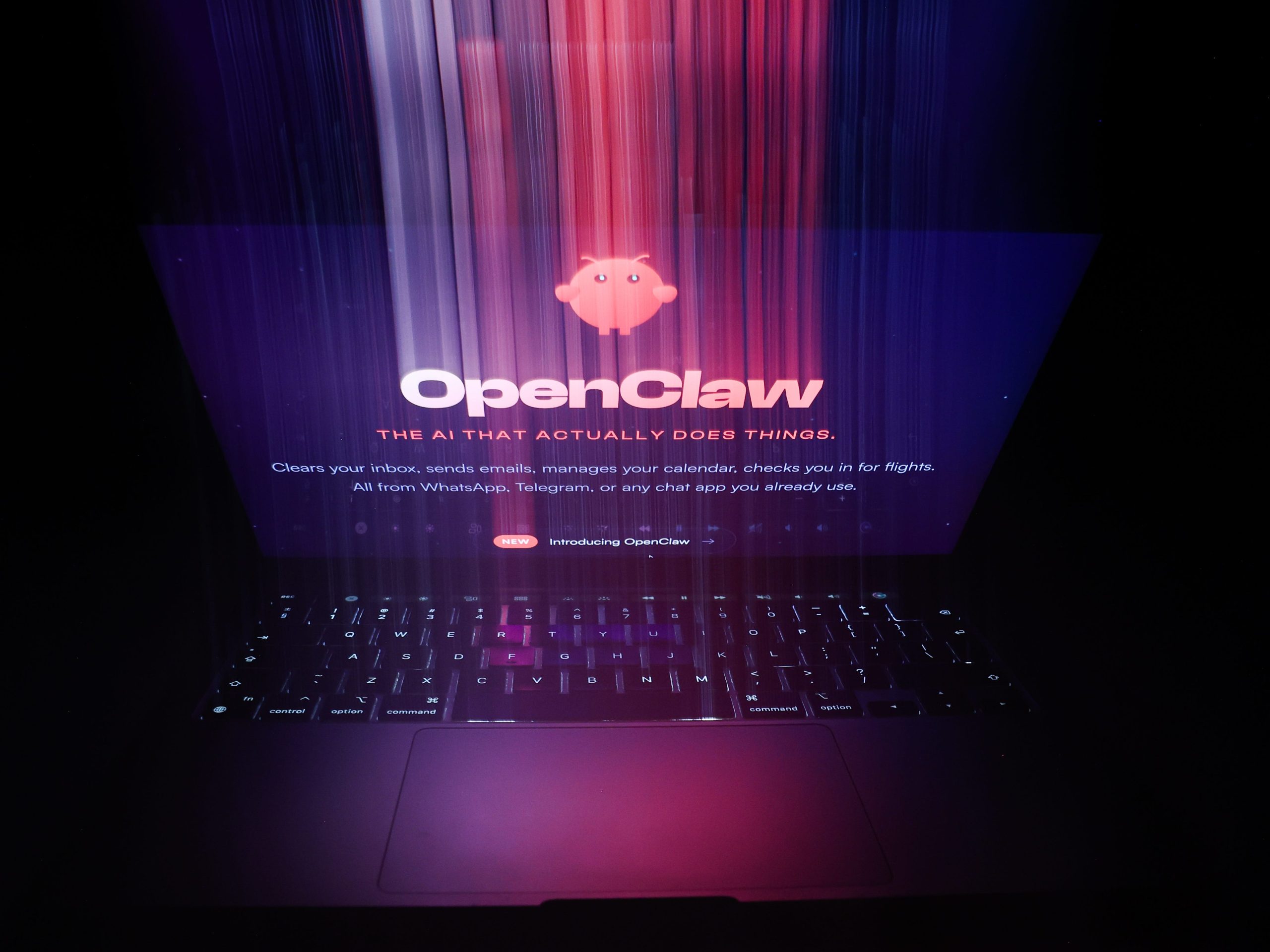
OpenAI revealed on Sunday that it has brought Peter Steinberger on board, the mastermind behind OpenClaw, drawing positive reactions, memes, and competitive banter.

In the investment world, risk-taking during volatile times can lead to significant rewards, as exemplified by Warren Buffett’s success with Berkshire Hathaway. However, corporate leaders often hesitate to adopt bold strategies when industries face heightened uncertainty. An analysis of nearly 6,000 companies over 15 years shows that only 10% increased their M&A activity during periods of elevated uncertainty, yet those who dared to take big risks experienced nearly double the revenue growth and 50% higher shareholder returns, without increased failure risk.
The research focused on 10 major disruptive events from 2010 to 2020 across various sectors and measured bold risk-taking by companies doubling their M&A spending. Despite the tendency of 90% of companies to cut back, the minority that increased spending thrived.
Common myths that hold back companies include the ideas that risks should only be taken from a position of strength or experience, or with a financial safety net. Data reveals that companies with weaker performance and first-time risk-takers often reap considerable benefits. Furthermore, focused companies without a broad portfolio also succeeded with bold moves.
Successful execution requires fostering a risk-taking culture, resisting herd mentality, and preparing to act decisively when opportunities arise. Examples from Ikea, Tata Group, Cisco, and others highlight practical ways to embed these principles into leadership and organizational behavior.
Ultimately, acting boldly in uncertain times can transform challenges into lasting competitive advantages.

Achieve superior negotiation outcomes by approaching every interaction with genuine respect. Recognizing and valuing the perspective of the other party can unlock mutually beneficial agreements and foster lasting business relationships.

Consistent alignment by leaders results in tangible success.