


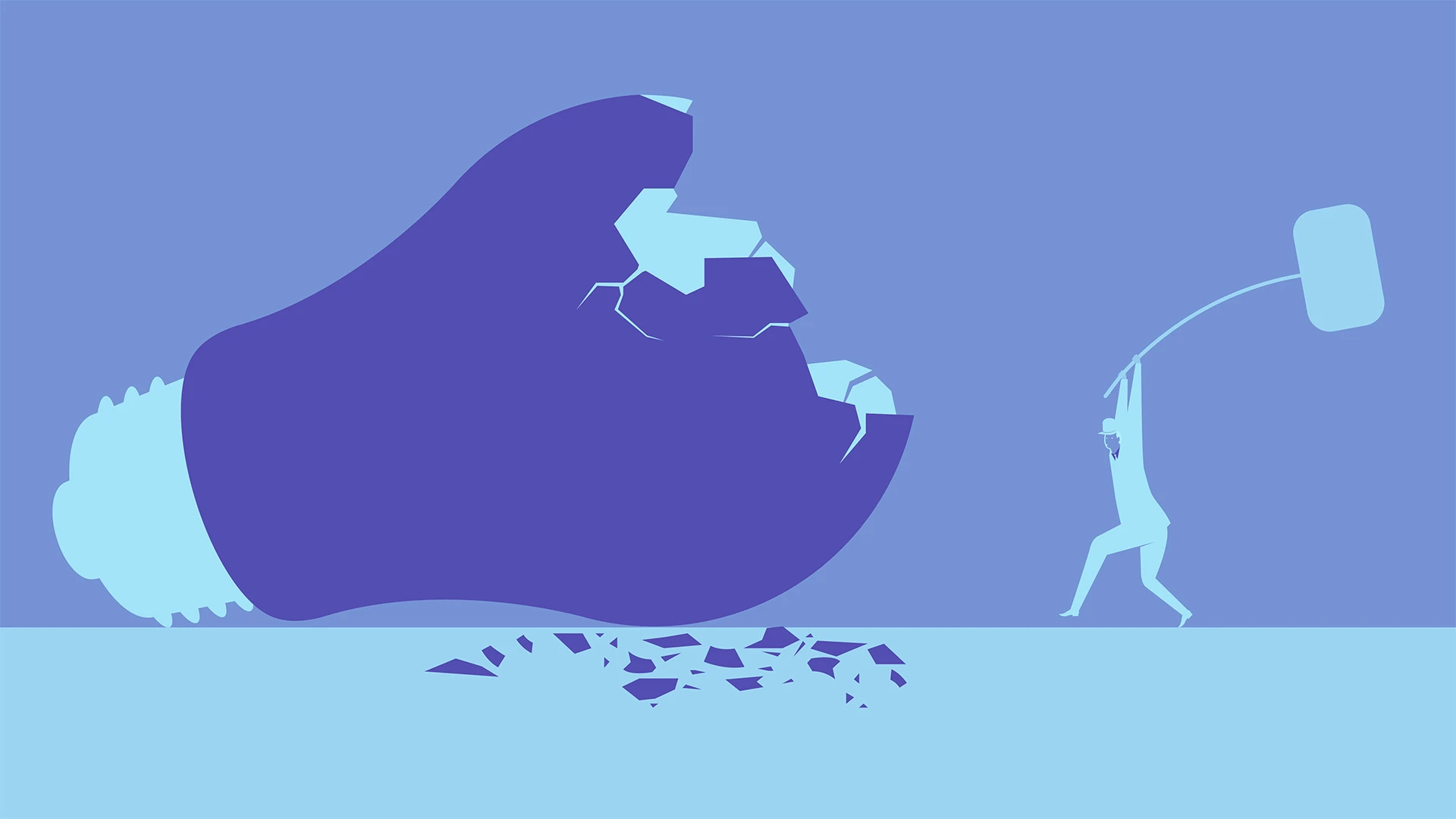
Innovation is inherently challenging to quantify, yet many companies relentlessly pursue metrics to evaluate it. This paradox often leads to the premature dismissal of potentially groundbreaking ideas that don't immediately meet rigid measurement criteria.

Omnicom aims to save $1 billion in labor costs following its acquisition of IPG by eliminating overlapping positions, and increasing offshoring and outsourcing efforts.

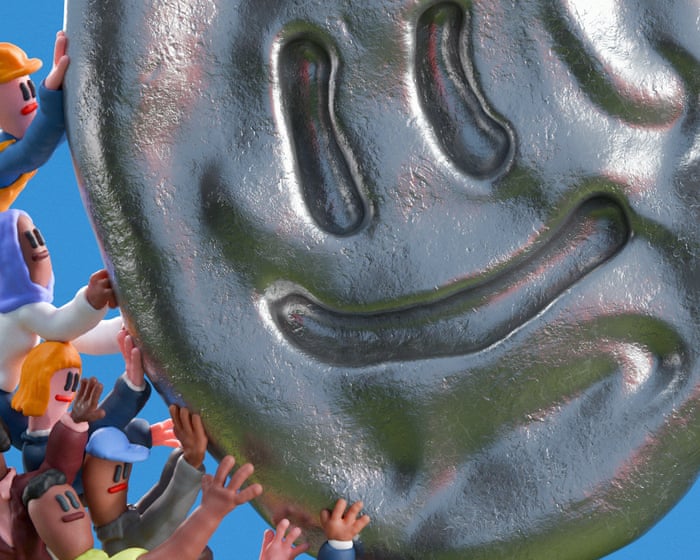
In 2026, the workplace is gripped by uncertainty. The quiet quitting and Great Resignation trends have faded, overshadowed by growing concerns over economic hardships, global instability, and the rising influence of artificial intelligence on jobs. Experts believe these fears could ignite a renewed wave of worker organization and collective power.

Meta's internal research reveals that parental supervision may have limited impact on controlling teenagers' compulsive social media use. Additionally, the study highlights that teenagers who have experienced trauma tend to engage more heavily with social platforms, suggesting deeper emotional factors at play.

To fully leverage AI technologies, organizations must revisit and redesign their workflows, roles, and processes to ensure alignment with the capabilities and demands of AI.


WIRED sat down with young Zoomer entrepreneurs behind RentAHuman, a novel platform where AI agents recruit humans to execute everyday tasks. Their unique proposition: people might actually enjoy having a robot—nicknamed a 'clanker'—as their manager.


Mallory Triano highlights her efforts in attracting critical AI skill sets for the financial industry, emphasizing the value of partnerships between educational bodies and workplaces to nurture early talent.


In challenging times, leveraging AI can help your business remain resilient by honing in on its core strengths and making smarter, data-driven decisions that steer you toward sustainable success.


Sebastian Siemiatkowski, CEO of Klarna, the Swedish fintech company, announced a significant reduction in staff over the coming years. The current workforce of about 3,000 is down from 7,000 four years ago, with expectations to drop below 2,000 by 2030—a decrease influenced by layoffs, attrition, and AI-related efficiencies. Despite buy now, pay later services gaining popularity, the integration of AI means fewer employees are needed. Siemiatkowski aligns with Anthropic CEO Dario Amodei’s concerns about AI's profound effects on jobs, forecasting substantial short-term upheaval but adopting AI tools within Klarna to handle more tasks. This move initially led to customer service challenges, prompting a return to a balanced approach with human agents tackling complex cases.


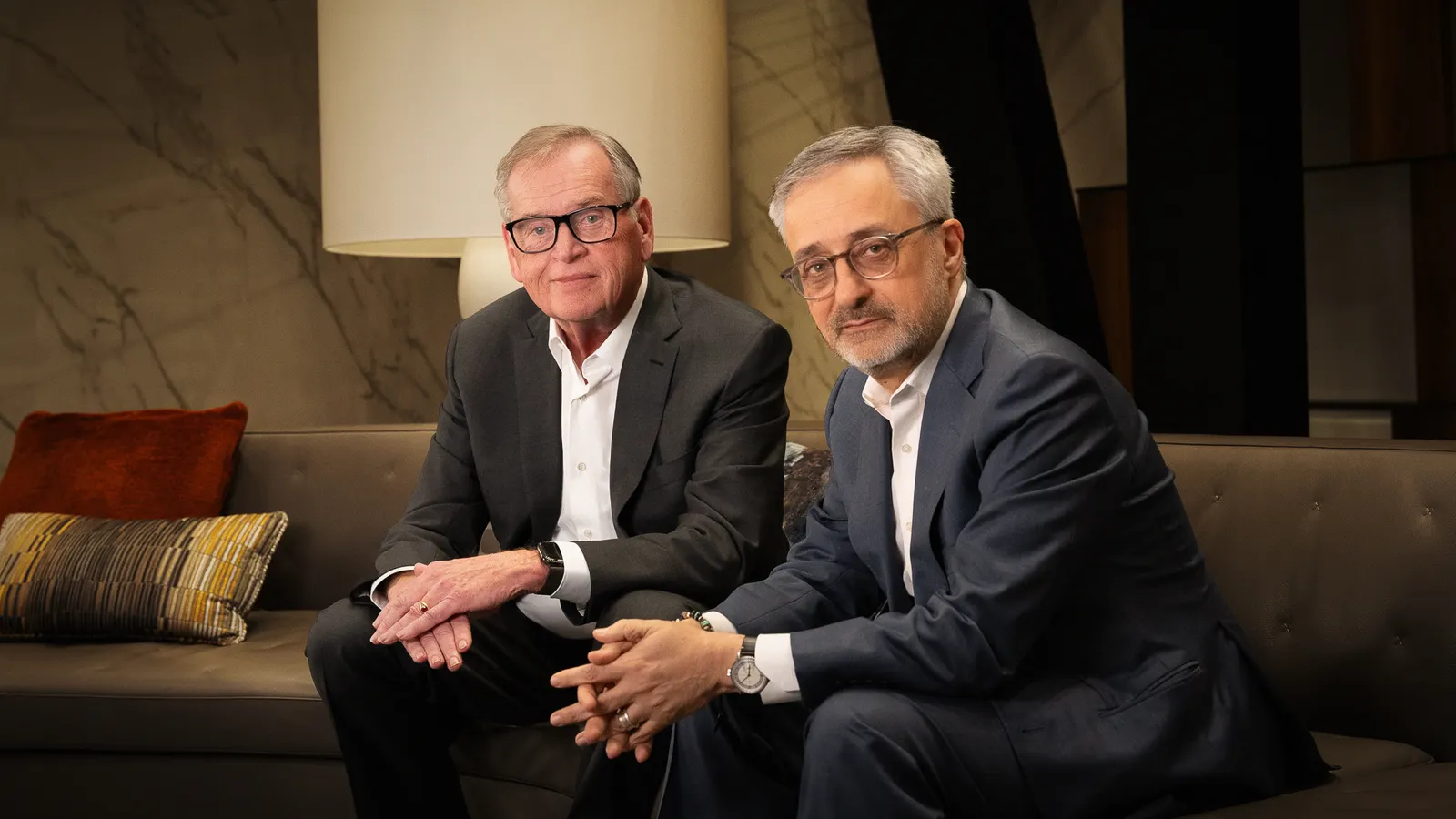
The story of Kraft Heinz's troubled merger, alongside examples like Microsoft/Nokia and Unilever/SlimFast, highlights the complex reasons why many mergers fail. Nearly half of all major U.S. M&A deals unravel within a decade, often due to poor strategic fit or cultural mismatch, compounded by market disruptions. Research tracking over 1,600 acquisitions reveals that 46% of these deals are ultimately reversed, often at significant financial and reputational cost. Failures are rarely random but stem from predictable behavioral biases and misjudgments. The Corporate Divorce Matrix, a new diagnostic tool, helps leaders assess risks along two dimensions: initial alignment and post-merger market stability. Importantly, cultural fit matters deeply—companies with strong cultural alignment are notably more resilient to setbacks. Leaders are urged to conduct rigorous due diligence, include cultural evaluation, stress-test scenarios, and predefine exit strategies to avoid costly breakdowns. However, many failed deals linger because CEOs hesitate to admit defeat amidst reputational risks, often delaying divestiture for years. Ultimately, mergers and acquisitions remain a risky but vital engine of growth, where knowing when to persevere or walk away is critical for long-term success.
