Despite concerns that AI could reduce tech jobs, data reveals a steady increase in tech job openings. This growth is driven by rising AI-related spending, which boosts demand for hardware and sustains strong hiring in software development roles.

A senior executive at Amazon Web Services revealed that the company is highly selective when recruiting forward-deployed engineers, emphasizing that such talent is exceptionally rare and difficult to find.


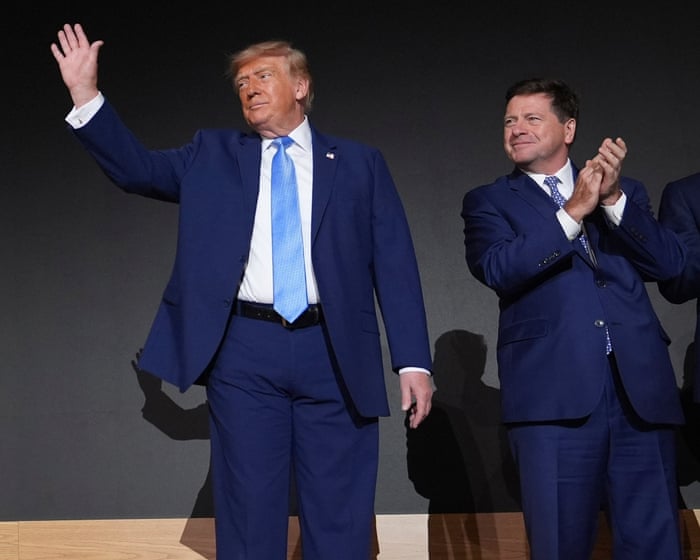
Jay Clayton, currently the director of national intelligence and leader of the US's 18 intelligence agencies, has been appointed by Donald Trump as the new White House AI czar. During his confirmation, Clayton described AI as both a 'gamechanger' and a potential 'threat.' Clayton has a background as the top federal prosecutor in Manhattan and previously led the Securities and Exchange Commission under Trump's first term.

One common but costly misconception about AI is the belief that technology can fix a business without first improving its underlying processes. While AI can speed up operations, automate routine tasks, and quickly identify issues, it cannot remedy fundamentally flawed or fragmented workflows. True business transformation requires streamlining processes before AI can truly add value.


Forget the endless search for talent. Focus on cultivating and developing your own workforce.

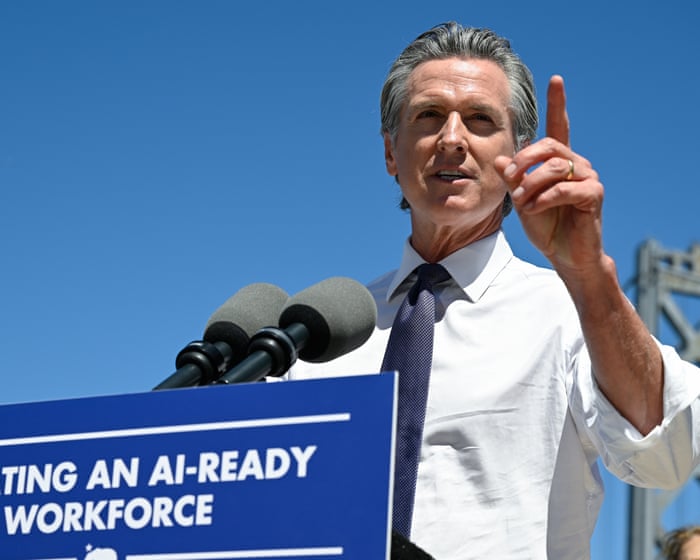
California, a hub for numerous AI firms, is pioneering new workplace laws to protect employees from potential AI-related job threats. These regulations prevent employers from solely relying on AI for firing decisions, using AI to monitor workers' emotional states, or collecting neural data from employees. Additionally, companies must inform workers if AI contributed to layoffs, and AI surveillance is banned in workplace bathrooms. Signed by Governor Gavin Newsom, these measures aim to foster safer, fairer work environments amidst growing calls for AI regulation in the U.S.

Eileen O'Mara, vice-chair of Stripe, emphasized the importance of Irish talent to the company's success and reaffirmed their commitment to investing in the local workforce. This expansion will add 200 new roles at Stripe's Dublin office, reinforcing its growth in the fintech sector.


More than 25% of marketers hired this year possess AI-ready skills, compared to only 9% of CMOs who have held their positions for over four years. This highlights a growing gap in technological proficiency within marketing leadership amid increasing demands and faster turnover.


A major hospital and radiology network implemented Palantir's AI-powered scheduling system to improve efficiency. However, nurses and staff report that the software has led to increased scheduling errors, heightened burnout, and growing frustration, raising concerns about patient safety.


After nearly 18 years with LinkedIn and Microsoft, Ryan Roslansky is departing the company. Formerly LinkedIn's CEO, Roslansky was promoted to lead Microsoft Office last year and recently took over Microsoft Teams. His exit has set off a new round of leadership changes within Microsoft. CEO Satya Nadella praised Roslansky's contributions, highlighting the progress made in unifying product, engineering, and design efforts to pave the way for future growth.