A recent study by Israeli cybersecurity firm RedAccess uncovered over 380,000 publicly accessible apps and databases created with popular vibe coding platforms like Lovable, Base44, and Replit, along with Netlify's deployment service. Alarmingly, around 5,000 of these assets exposed sensitive corporate data, including shipping schedules, healthcare trial details, customer conversations, and financial records. The root cause lies in default settings that leave these applications public unless manually secured, resulting in Google indexing many such tools.
This issue is emblematic of a larger shadow AI problem, where employee-built AI-powered applications bypass traditional security reviews, increasing breach risks and regulatory exposure. Research from Escape.tech and Gartner highlights numerous security flaws and forecasts soaring defect rates in AI-generated citizen-developed apps. Furthermore, IBM's 2025 report links significant breach costs and privacy lapses to shadow AI implementations, with a majority lacking formal AI governance.
To tackle this emerging threat, CISOs are urged to implement automated scans for vibe-coded applications, enforce authentication, integrate app security scans, extend data loss prevention policies, and introduce AI governance frameworks with strict pre-deployment reviews. Without proactive measures, organizations risk data leaks, costly breaches, and regulatory penalties as shadow AI proliferates beyond IT oversight.


The technology sector is facing significant workforce reductions as major companies like Cloudflare, Coinbase, Upwork, and PayPal announce large-scale job cuts this week. The primary driver behind these layoffs is the rapid adoption of artificial intelligence (AI) in their operations. Cloudflare is letting go of over 1,100 employees, nearly 20% of its staff, as its AI usage has surged dramatically. Similarly, fintech firm Bill.com plans to cut 30% of its workforce to transition into an AI-native company. Upwork is reducing 25% of its employees, citing AI's role in enabling smaller teams to deliver greater impact. Coinbase is laying off 14% of its staff due to crypto market volatility combined with AI advancements. PayPal intends to slash approximately 4,700 jobs as part of a multi-year plan to streamline operations and ramp up AI adoption. Overall, these layoffs reflect the tech industry's shift towards AI-driven efficiencies and a focus on profitability and innovation in an AI-first world.

If you've been in the New York City subway recently, you may have seen a controversial ad from AI firm Artisan. The ad contrasts an employee named Steve, who calls out sick, with an AI sales agent, Ava, who boasts booking 12 meetings and researching over 1,200 prospects. The slogan, “Fire Steve. Hire Ava,” boldly suggests replacing human workers with AI. Artisan, known for provocative marketing, aims to replace lower-level sales roles with AI agents. Despite driving conversation, the ad has faced significant social media backlash, with users criticizing AI's reliability and the message's impact on public attitudes toward AI. Artisan's CEO explains their intent to provoke thought around AI replacing tasks not suited for humans, envisioning a future where people work less and live more.
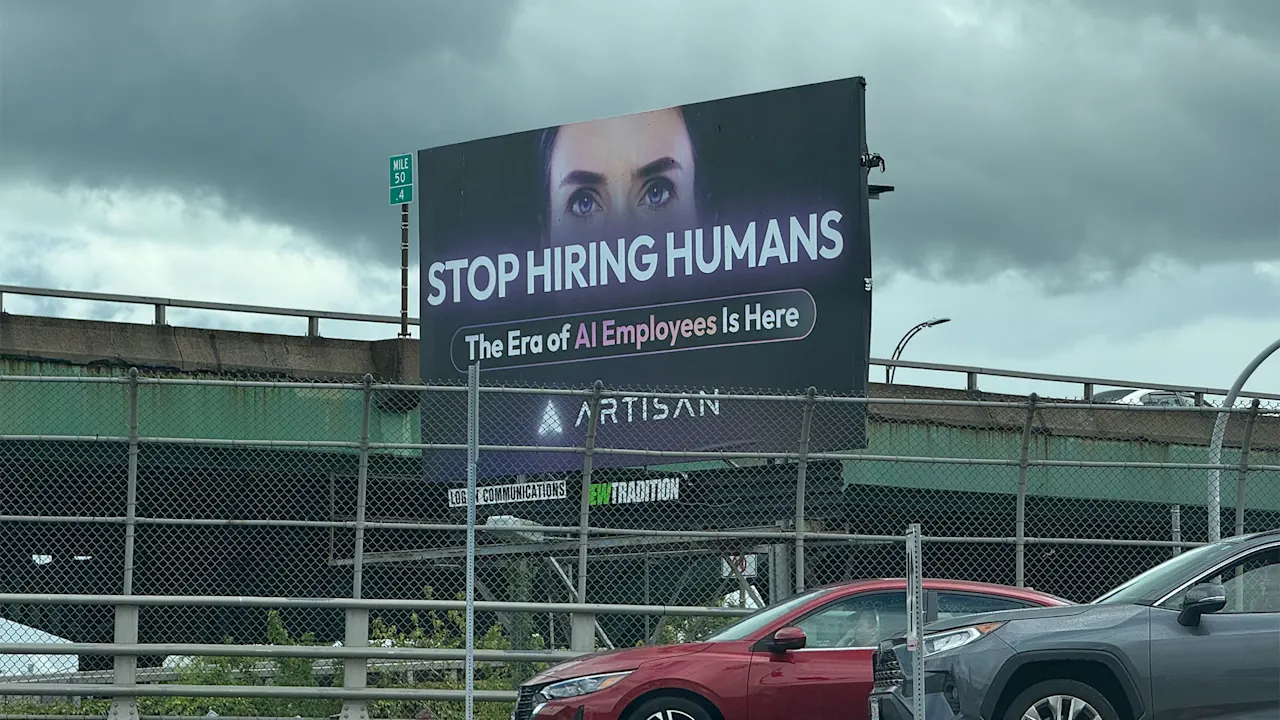

Greg Abel's initial approach as Berkshire Hathaway's CEO wasn't about outlining strategies; instead, he focused on connecting through storytelling, setting a tone that reveals his leadership style.

Tom Curtis, Burger King's CEO, personally took 1,500 customer calls—even to the point where his wife had him take calls on the porch. These conversations have directly led to fixing broken signs and influencing menu updates, demonstrating a hands-on approach to improving the customer experience.

Google is piloting a new hiring method that empowers job candidates with a technological edge during interviews, potentially reshaping the recruitment landscape.


Research by Greenhouse indicates that among different regions surveyed, jobseekers in Ireland express the most negative feelings towards the use of AI during job interviews. Their experience suggests concerns that warrant attention from employers and technology developers.


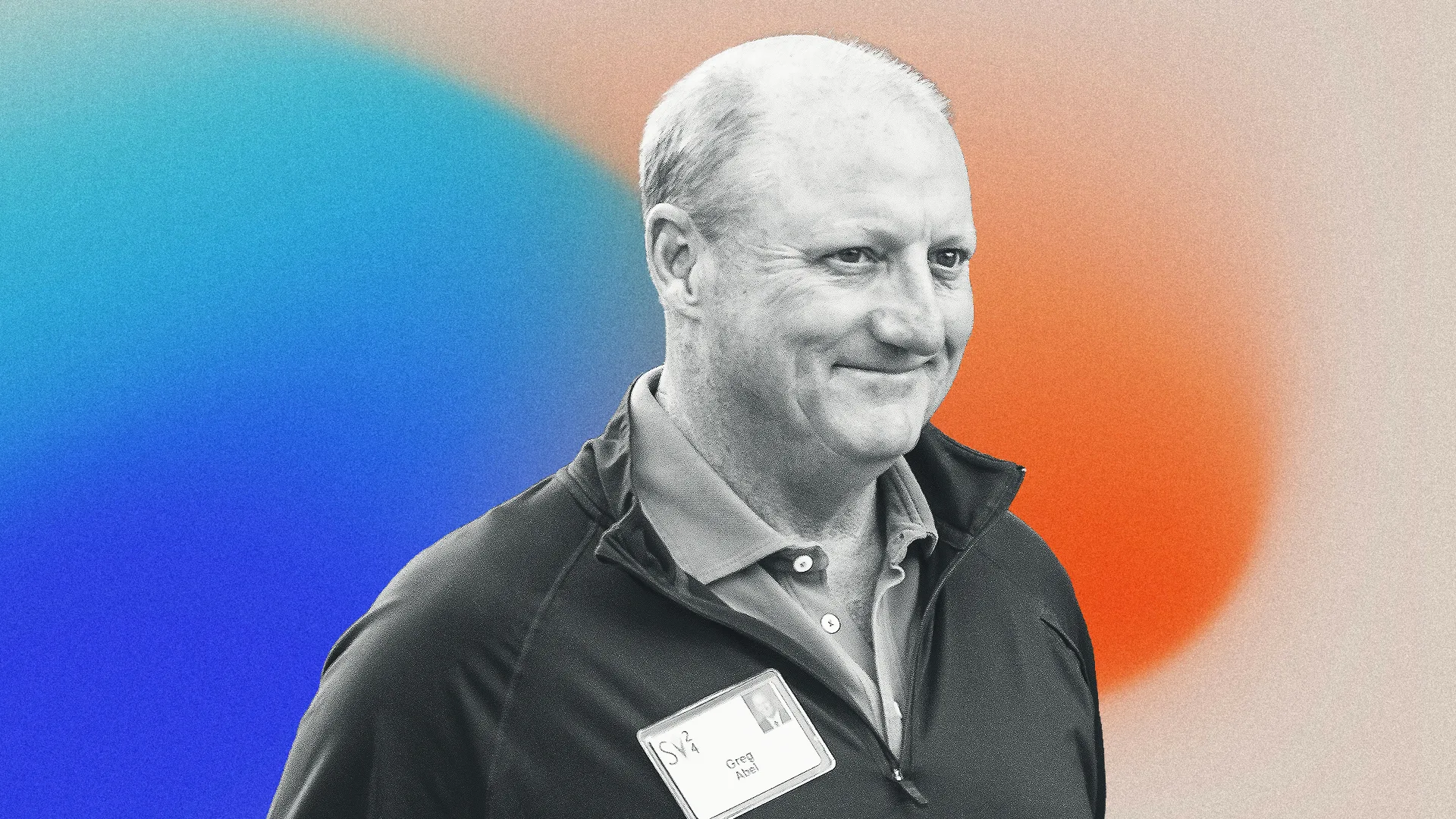
Emails from 2018 reveal that Microsoft executives were cautious about OpenAI's direction but reluctant to let it become a key asset for Amazon, highlighting complex strategic considerations within the tech giant.
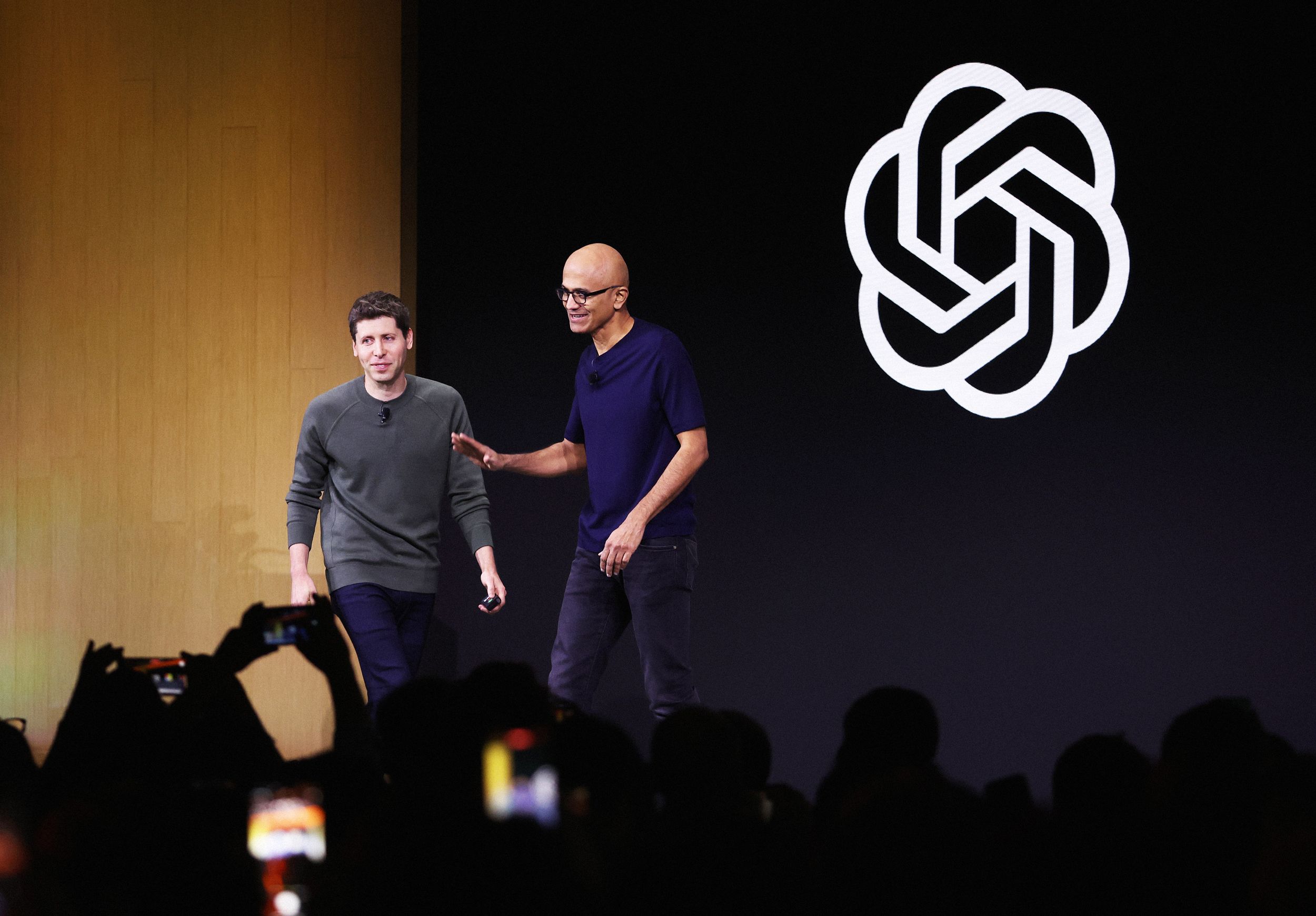

Under a proposal from the Trump administration, an entry-level software engineer in San Francisco would need to earn a minimum of $162,000 annually to qualify for an H-1B visa. In other cities, the salary floor would also rise, reaching about $113,000 in Dallas and $132,000 in New York. These figures represent nearly a 30% increase over current minimum salary requirements for these positions.

Porsche has announced that it will shut down its e-bike, battery, and software subsidiaries, impacting over 500 employees. CEO Michael Leiters emphasized the need to concentrate on the company's core operations as part of a broader strategic realignment. He acknowledged that while these measures are difficult, they are essential to ensure Porsche's future success by focusing on its fundamental business areas.