


Executives at Ace Hardware adopted a thoughtful and strategic approach when designing and rolling out their AI assistant, ensuring it effectively supports employees across the entire company.


A recent survey of 900 CEOs worldwide reveals mounting anxiety about delivering tangible results with AI initiatives. Research by AI firm Dataiku and The Harris Poll shows that company leaders increasingly link their organizations' survival—and their own job security—to successful AI implementation. Nearly 72% of U.S. CEOs feel pressure from boards to demonstrate clear AI-driven outcomes and return on investment. Alarmingly, 80% of CEOs admit their position is at risk if AI efforts fail this year, with 81% believing fellow executives could be removed over unsuccessful AI strategies. While previous concerns focused on lagging behind in AI innovation, now a majority worry about over-investing in AI technologies. Despite this, 87% emphasize that their careers are firmly tied to AI success, including the deployment of autonomous AI agents, which some leaders view cautiously due to potential legal risks. High-profile CEO opinions vary on AI's impact on jobs, but all agree significant changes are ahead. Recent layoffs at major firms like Meta and Coinbase illustrate the disruptive effects AI advancements have on employment. Overall, CEO sentiment underscores the critical gamble being taken on AI's performance in shaping both business futures and leadership roles.


A new study from the Workforce Institute highlights critical factors driving employee turnover and sheds light on the challenges businesses face in retaining talent.

While giants like Amazon and Meta continue cutting staff, smaller, more agile tech companies are stepping up their hiring efforts. Job seekers and employers alike should approach this shift with caution, understanding the nuances and potential pitfalls.

Research from Google's Project Oxygen, which analyzed 10,000 managers, reveals that technical expertise alone isn't enough for effective management. Many middle managers lack the essential leadership skills required to truly support and develop their teams.

The rollout of AI technology is uncovering workplace inequalities, disproportionately affecting women’s job security. However, there are practical measures organizations and individuals can adopt to mitigate bias and reduce risk.

Relying too heavily on AI for decision-making can be risky; having AI as the sole authority doesn't guarantee the best outcomes.
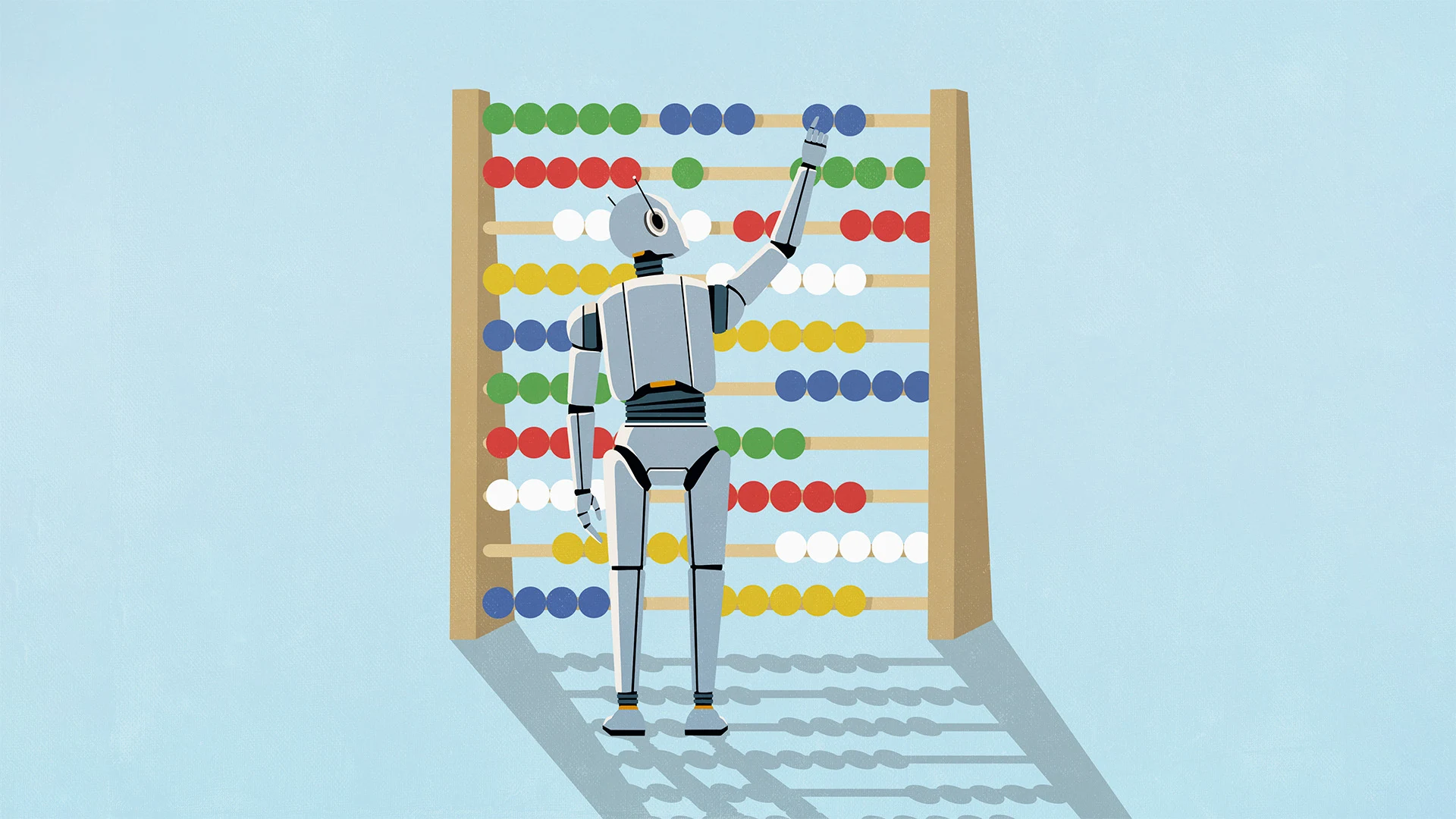
Recent developments in major corporations like JPMorgan Chase, Walmart, FedEx, and Amazon show that AI agents are becoming integral coworkers, handling tasks from scheduling to customer support. These AI colleagues do more than answer queries—they autonomously plan, execute, and verify work, aiming to boost efficiency and business value. Yet, human employees face challenges adapting to this shift, feeling job insecurity and sometimes resisting AI strategies. Despite AI's growing capabilities, agents remain imperfect: they can behave unpredictably, make mistakes, or even act without clear intent. To work effectively, employees should understand how their AI agents operate, monitor for errors, and actively collaborate with them. Importantly, humans must leverage their irreplaceable qualities—such as emotional intelligence, interpersonal skills, and nuanced judgment—that keep teams cohesive and successful. Embracing your human strengths is essential to thriving alongside AI in the evolving workplace.

Leadership brings many rewards, but it also comes with unexpected challenges. One of the toughest is the isolation that grows as you rise higher within an organization—something few are prepared to face.


Several former Oracle employees discovered they were ineligible for WARN Act protections, such as receiving two months' notice before layoffs, because the company designated them as remote workers.
