


Across decades of working life, it is not just steady career progression that shapes us, but the impactful moments of adventure—those periods of stepping away from the familiar, diving into uncertainty, and embracing new challenges. These experiences, often perceived as distractions at the time, turn out to be crucial for personal and professional growth. They disrupt ingrained routines, broaden our sense of identity, and create meaningful markers that link our past, present, and future selves. As lifespans and work years extend, the traditional career model based on continuous progression no longer fits. Instead, a multistage career model emerges, one that thrives on reinvention and exploration throughout life. Yet, this runs counter to organizational structures that favor consistency and predictability, making adventure a rare but essential ingredient for adaptability and sustained engagement in work. To support longer working lives, both organizations and individuals need to reconsider how they make room for adventurous experiences—not as indulgences but as vital components for growth, resilience, and transformation. Adventure is what keeps a career vibrant and flexible across decades, encouraging us to explore, learn, and reinvent ourselves continuously.


Deciding to sell your company is one of the most critical choices an entrepreneur faces. Here's how to approach it wisely and avoid common pitfalls.


AI tools are removing the need to repeatedly ask colleagues for assistance, streamlining workflows. However, these casual exchanges, often replaced by AI, are crucial for fostering trust, belonging, and innovation within teams. Casey Hudetz and Eric Olive examine the research behind these effects and propose actionable ways to preserve human connection while benefiting from AI's capabilities.


Microsoft is initiating voluntary retirement options for 7% of its employees as part of a broader strategy to streamline its workforce while significantly increasing investments in artificial intelligence. The move reflects a growing belief among companies that leaner teams, empowered by advanced AI tools, can deliver greater productivity and innovation.

AI is not introducing new challenges but illuminating existing inefficiencies that hinder your business growth.
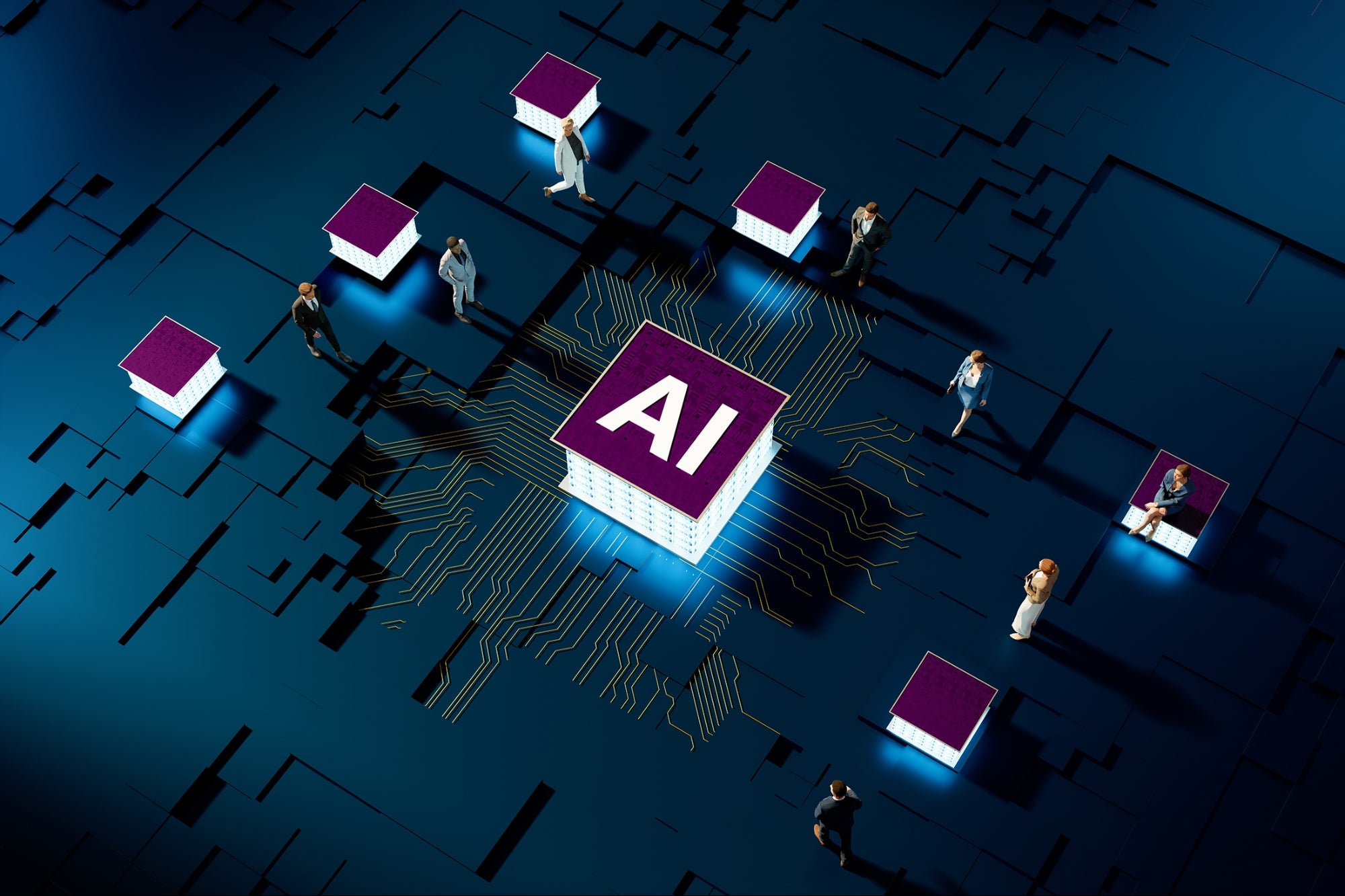

Research by Saros Consulting highlights that 'scope creep' is a major stress factor for IT and technical staff in large companies, contributing to mental health difficulties within these teams.
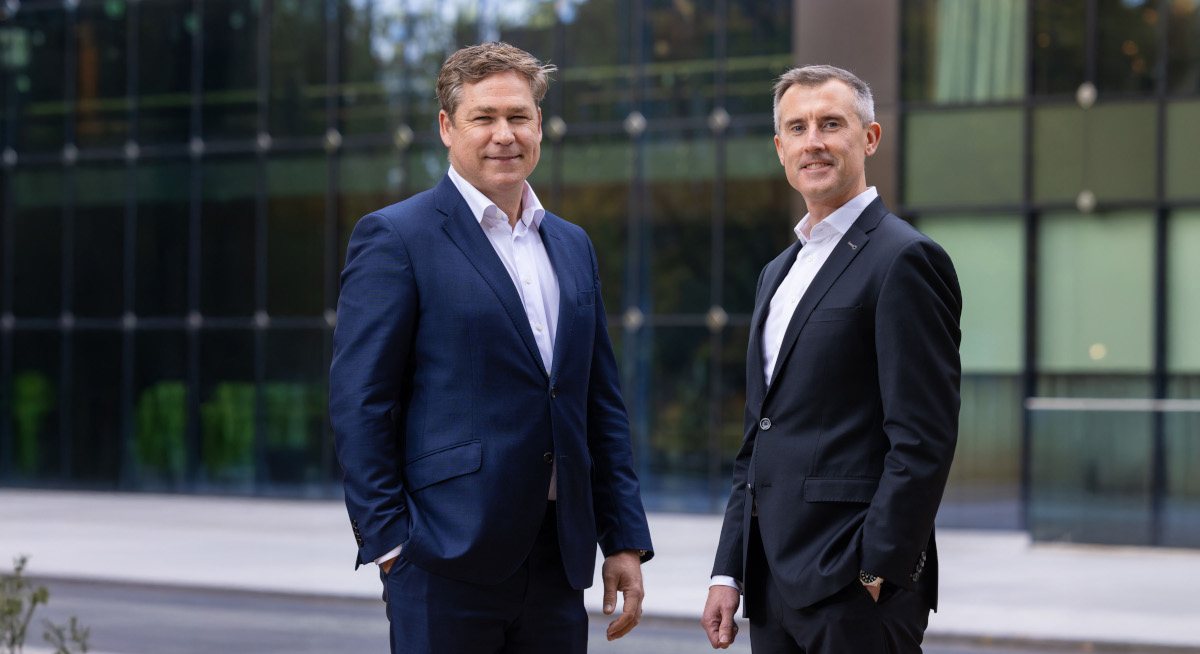

Aneesh Raman and Ryan Roslansky, both executives at LinkedIn, share crucial insights from their book "Open to Work: How to Get Ahead in the Age of AI." They emphasize that as AI transforms work, individuals hold more power than expected to shape their careers. Key takeaways include understanding that jobs are defined by tasks—not titles—and these tasks fall into three categories: those AI can do alone, those enhanced by human-AI collaboration, and those that remain uniquely human, such as emotional intelligence and judgment. They highlight the importance of cultivating the '5Cs'—Curiosity, Courage, Creativity, Compassion, and Communication—which are vital skills that distinguish humans from AI. The traditional career ladder is replaced by a dynamic career 'climbing wall,' requiring adaptability and active decision-making. Embracing change rapidly, rather than resisting it, is critical, as AI adoption accelerates dramatically. Finally, the authors stress that personal differences and individual experiences are powerful assets, making employees irreplaceable in ways that AI cannot duplicate.
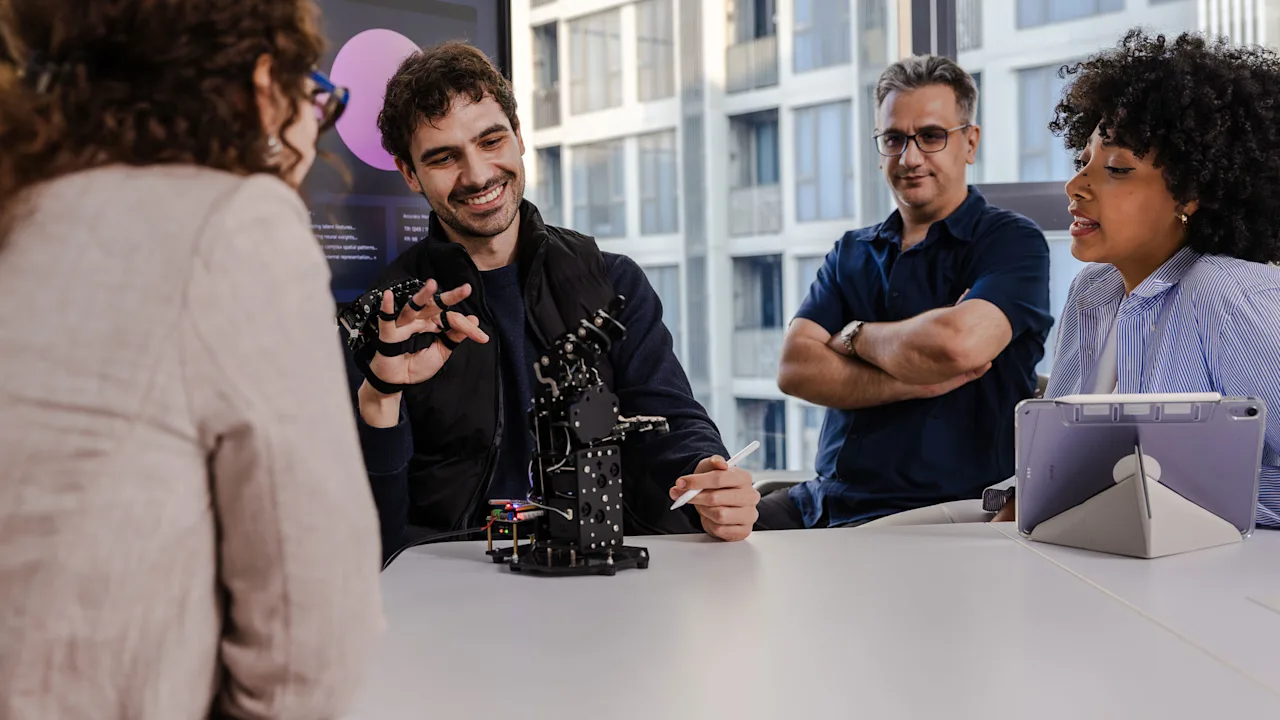
Organizations are increasingly conducting stay interviews as a proactive measure to detect early signs of employee disengagement and retain their valuable talent.

The global political landscape is undergoing profound changes marked by conflicts in the Middle East and Ukraine and evolving U.S. trade and foreign policies that disrupt previous alliances. These shifts expose weaknesses in globally optimized supply chains, challenge multinational data governance, and redefine neutrality in geopolitics. Companies face complex choices—whether to exit, reorganize, or relocate—to remain resilient amidst rising geopolitical risks. Examples range from strategic minimal presence in risky markets to adopting polynational structures that emphasize local autonomy and embedding, which better insulate firms from political shocks. Companies like HSBC and Nestlé have restructured for greater regional adaptation, while others like Apple and Microsoft engage in corporate diplomacy to safeguard interests globally. Relocation strategies now focus more on compliance and risk mitigation than simply cost efficiency, with moves such as near-shoring and friend-shoring becoming more common. This era of fragmentation within globalization requires firms to reinvent their operations, balancing political realities with the need for economic interdependence and agile corporate governance.

In June, Colorado planned to implement a pioneering law aimed at regulating AI use to prevent discrimination in housing and employment. However, Elon Musk’s xAI, now merged with SpaceX and owner of X (formerly Twitter), filed a lawsuit to block the law, claiming it is burdensome and unconstitutional. The U.S. Justice Department has since joined the suit, asserting that the Colorado law conflicts with federal equal protection provisions. The law (SB24-205) sought to enforce safeguards against algorithmic bias by requiring AI developers to prevent discrimination and notify users when AI is in use. The government, objecting particularly to a provision allowing AI to be used for diversity initiatives, views this as reverse discrimination. Assistant Attorney General Harmeet Dhillon criticized the law for mandating AI products to adopt "woke DEI ideology," asserting the Justice Department's commitment to defending innovators from such requirements. Colorado’s governor expressed concerns about the law's impact on innovation and competition, suggesting federal rather than state regulation might be better. This lawsuit aligns with the Trump administration's broader effort to limit AI regulations and oppose DEI measures, highlighted by a 2025 executive order targeting state AI regulations and ongoing actions against DEI policies in the private sector and government agencies.
