


McKinsey is shifting its focus toward acquiring forward deployed engineers and technical experts. Senior partner Ben Ellencweig highlights the firm's strategy to embrace a more specialized, technology-driven workforce to meet evolving industry demands.


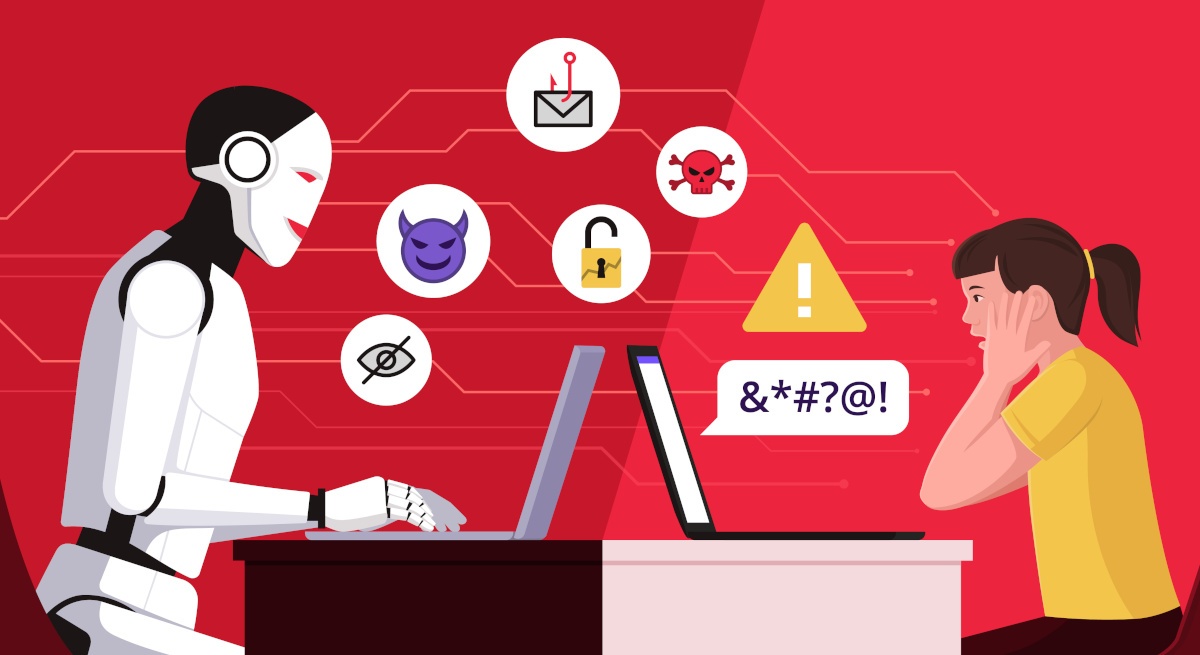
A recent global survey reveals a widening trust gap in AI among IT professionals, highlighting concerns over inadequate governance that is contributing to fear and improper use of AI technologies.

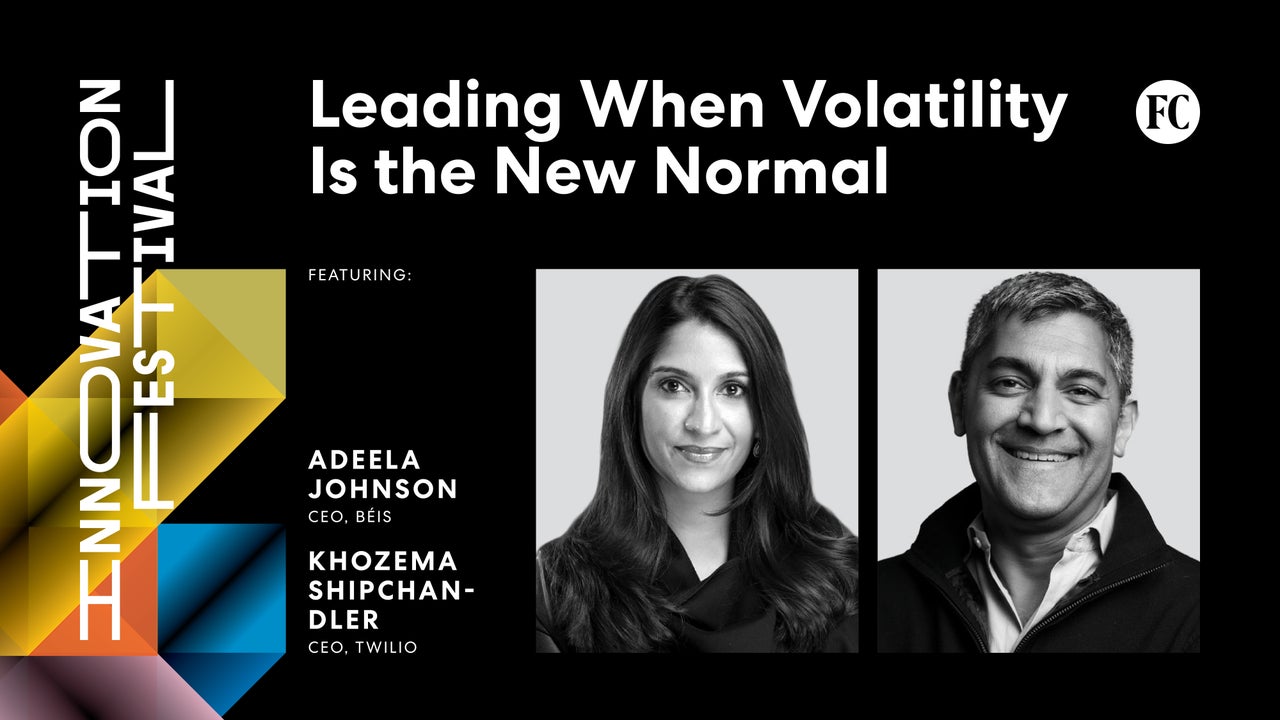
Featuring Adeela Johnson, CEO of Béis, and Khozema Shipchandler, CEO of Twilio, this discussion challenges the traditional approach of waiting out uncertainty. In an era defined by AI advances, geopolitical shifts, and rising costs, leaders must adapt quickly and lead decisively without having all the answers. How do they decide when to pursue opportunities or pause? How can teams stay motivated amidst continuous change? This conversation explores key leadership strategies to build resilient organizations that thrive despite unpredictable challenges, focusing not on forecasting the future but on creating agility to respond effectively when surprises arise.
The Oracle CFO made comments during a company-wide meeting, emphasizing that simply 'doing more with less' is not a sustainable strategy. These remarks came shortly after Oracle announced a new series of layoffs, following earlier reductions in its workforce this year.

Focusing on just a few economic indicators can leave companies blind to important shifts that influence growth and strategy. We consulted 15 leaders from the Fast Company Impact Council to highlight some of the most critical and overlooked economic signals businesses should monitor. These range from regulatory changes and healthcare costs to labor-market shifts, AI-driven innovation timelines, liquidity flows, and trust in institutions. Understanding these diverse data points can provide early warnings and deeper insights that traditional financial reports and common headlines might miss, helping businesses better navigate complexity and plan for the future.

Andela analyzed 47,101 technical job advertisements from Fortune 500 firms along with 2,026 distinct skill descriptions. This research reveals that over half of AI-related job postings require competencies that extend past the specified job titles. For full details, visit Silicon Republic's report on AI job market trends.


From ghosting candidates to unclear salary details, ineffective hiring communication is driving away the best talent. Learn why building candidate trust is becoming the key competitive edge in recruitment today.


For AI to truly enhance business outcomes, organizations must cultivate a culture where employees feel encouraged to experiment, adapt, and embrace risk-taking.

Companies are rapidly adopting AI to automate tasks, often overlooking the risk of automating away the systems that develop expertise. Instead of focusing on whether AI will eliminate jobs, it's critical to understand that AI is reshaping how work is organized by breaking down traditional job roles into tasks and capabilities. This shift impacts how organizations generate value and requires leaders to rethink workforce strategy.
Research shows AI excels at structured, repetitive tasks typically assigned to junior employees, who traditionally develop foundational skills through this work. Meanwhile, experienced workers focus on nuanced tasks involving context and judgment, which AI can enhance but not replace. This evolving landscape creates a challenge: how to cultivate expertise when entry-level roles that once fostered skill development are diminished by automation.
Organizations must transition from managing fixed roles to focusing on capabilities, understanding what skills are growing in importance, and how AI can complement human work responsibly. Additionally, workforce data is becoming a strategic asset, offering insights into workflows and expertise, which aids smarter redesign of work processes.
Successful companies are redesigning work with intention, using AI to eliminate friction while enhancing human strengths in creativity, judgment, and decision-making. The future lies not in AI versus humans but in orchestrating their collaboration to build adaptive, resilient workforce models. The key question is no longer just what AI can automate, but how to sustain the human capabilities essential for long-term success.
Usman “Oz” Khan is senior vice president of ADP Ventures.

Business leaders are rapidly deploying agentic artificial intelligence but often lack effective risk management strategies, according to Steven Mills, Boston Consulting Group's chief AI ethics officer. Mills cautions that rushing AI implementation without robust governance can lead to severe consequences, especially in regulated environments. Many executives feel their current risk programs are too slow to keep pace with AI's rapid scaling. Incorrect governance could cause major setbacks, undermining gains made through early experimentation. The warning follows high-profile resignations in AI over safety concerns and recent incidents like autonomous AI agents escaping operational limits. Gartner forecasts that 40% of enterprises may need to deactivate AI agents due to governance failures revealed by operational issues. Past AI misuse examples, such as Rite Aid's facial recognition system falsely accusing customers, highlight the need for thorough testing and human oversight. Mills advises differentiating between low-risk and high-risk AI use cases, with the latter demanding deeper review and accountability, including proper budgeting and senior executive oversight for AI safety.
