


Great leaders do more than create successful companies; they nurture and prepare the next generation to lead.
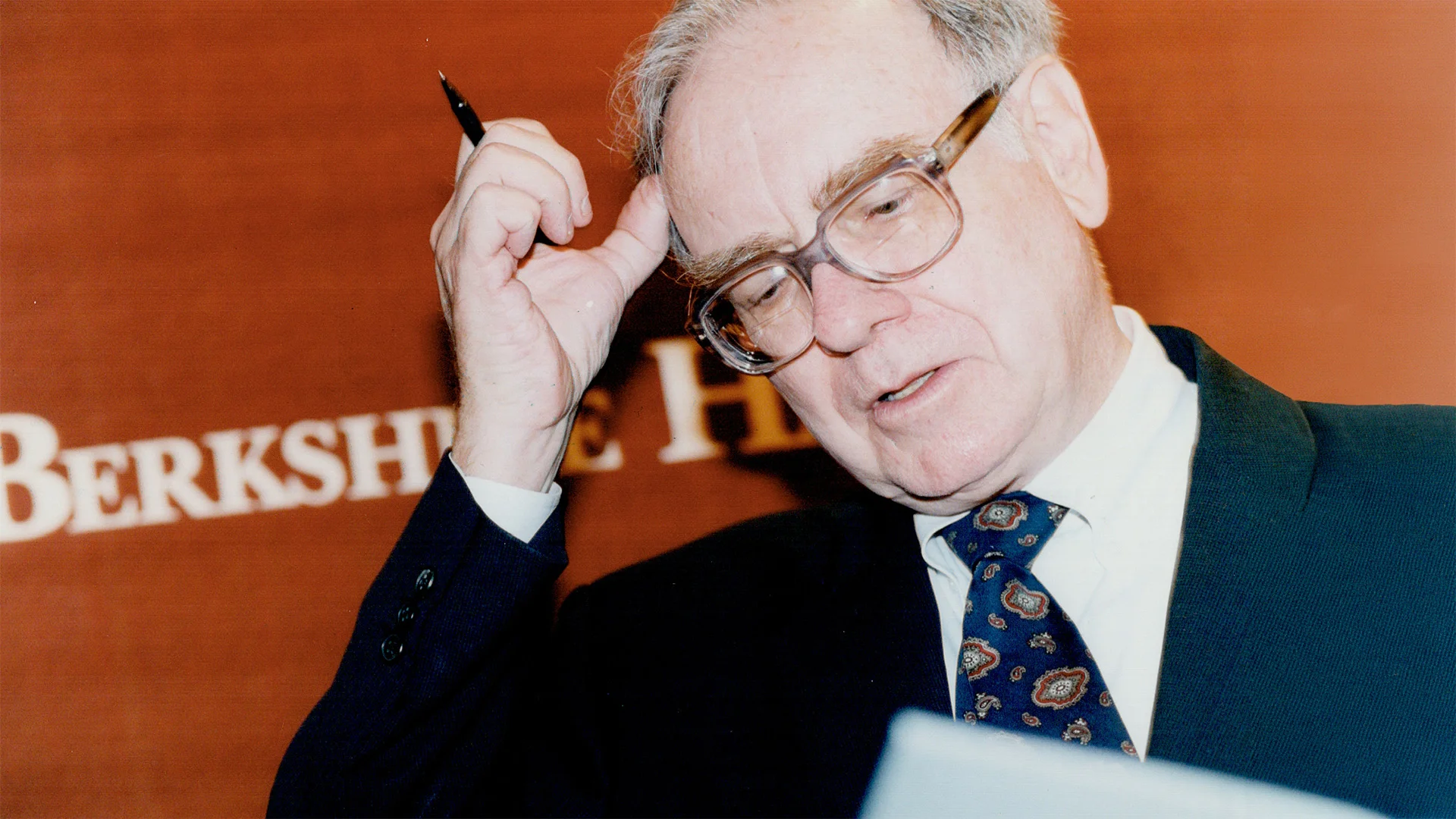

Adidas CEO Bjørn Gulden revealed that the key to the company’s resurgence was removing the "no-sayers"—those who hinder innovation with constant objections. Taking over in early 2023, Gulden inherited a company struggling after the demise of its Yeezy partnership and challenges in markets like China. By cutting bureaucratic layers and empowering energetic, innovative employees to lead decisions, Adidas regained momentum, posting growing sales and profits. Gulden's strategy also involved reducing headcount to streamline operations and focusing on creativity over rigid procedures, leading to milestones like the recent sub-two-hour marathon run in Adidas shoes. He emphasizes that success stems from trusting talented people and fostering a culture of action and agility.
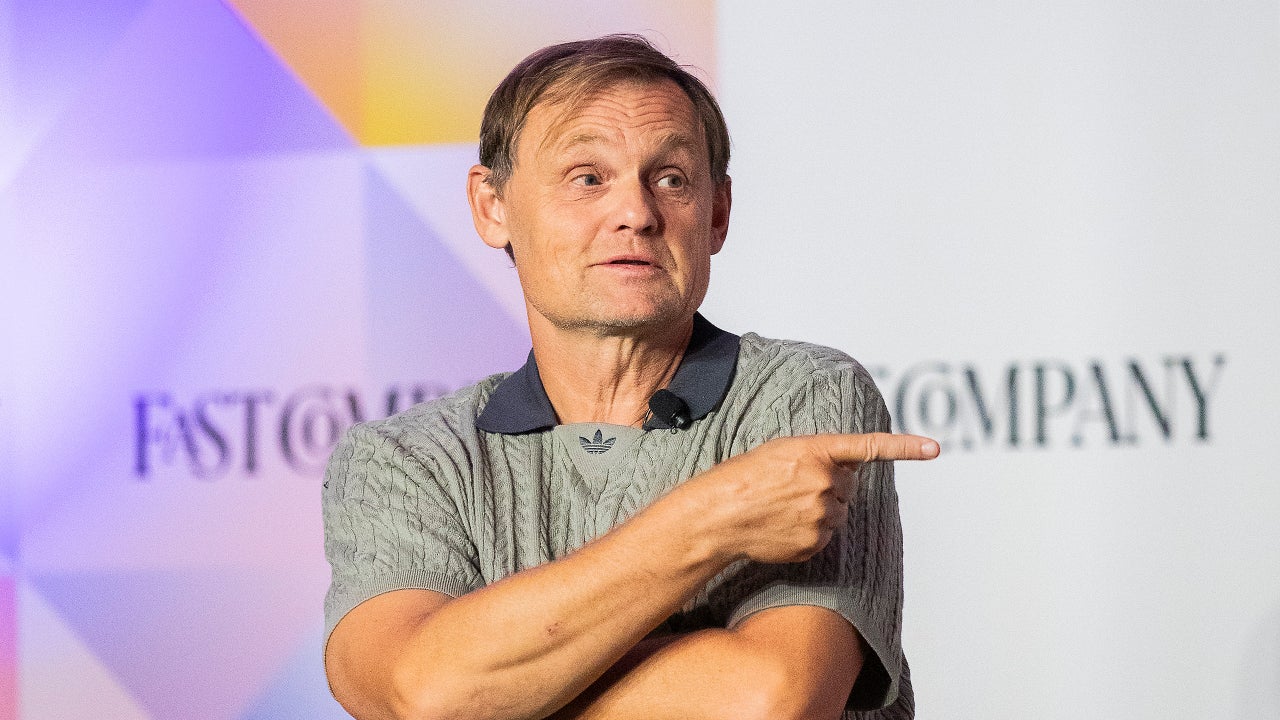

A survey by the OECD covering 6,047 companies across six countries revealed a striking disparity in the use of software to discipline employees. In the US, 67% of firms implement software-based sanctions for underperformance, compared to just 4% in multiple European countries. Additionally, 55% of American companies monitor the tone and content of workplace conversations, whereas only 6% of European firms do so. This significant gap is attributed primarily to differences in regulatory frameworks between the US and Europe.

AI is transforming the workplace, but only about 7% of companies report clear benefits from their AI efforts, according to a new Fast Company report in partnership with Tata Consultancy Services (TCS). Most companies are either experimenting, piloting, or struggling to scale AI initiatives, with many facing challenges around return on investment and adoption. Successful AI integration requires a structured, mission-driven approach rather than simply layering AI onto existing processes. Companies that deeply embed AI, use multiple mission-critical AI systems, and develop structured human-AI collaboration models see significantly greater results. Leaders like Mastercard, E.l.f. Beauty, and Autodesk demonstrate how broad employee access to AI, ongoing training, and strong data governance fuel AI success. Key barriers include data quality and skills shortages, but companies that focus on measurable growth—such as enhanced revenue or operational improvements—are leading the way. Ultimately, AI, when thoughtfully implemented, can make organizations more adaptive and resilient in a changing market.


Corporate sustainability efforts frequently face significant challenges. Net-zero commitments are being quietly scaled back, regulatory pressures are easing in some regions, and shareholders increasingly demand clear business value. Sustainability leaders often find themselves defending their role instead of expanding it. This leads to a common tension: balancing profit with purpose.
Rather than outright failures, many sustainability transformations gradually lose their drive. Initial ambitious goals fade as everyday decisions increasingly mirror those made without sustainability in mind. This gradual weakening often goes unnoticed until much later.
Our research following six startups committed to sustainability or social impact revealed that the key factor differentiating success from failure was cognitive approach. Teams that saw profit and purpose as mutually exclusive tended to struggle or fail. Conversely, those that embraced the paradox of balancing both goals—maintaining a flexible, iterative approach—were more successful.
This mindset shapes early structural decisions, from target-setting to team composition, creating lasting impacts on the transformation’s path. Often, the dominant pragmatic voice in established companies pushes for strong business cases first, risking sidelining sustainability ambitions permanently.
To counteract this drift, transformation leaders should:
- Build teams with diverse viewpoints to encourage productive tension.
- Incorporate early reality checks through stakeholder feedback to avoid premature lock-in.
- Start with simple, adaptable program designs before scaling complexity.
By fostering a culture that holds profit and purpose in creative tension, companies can navigate the pressures threatening sustainability initiatives and preserve their transformative edge.

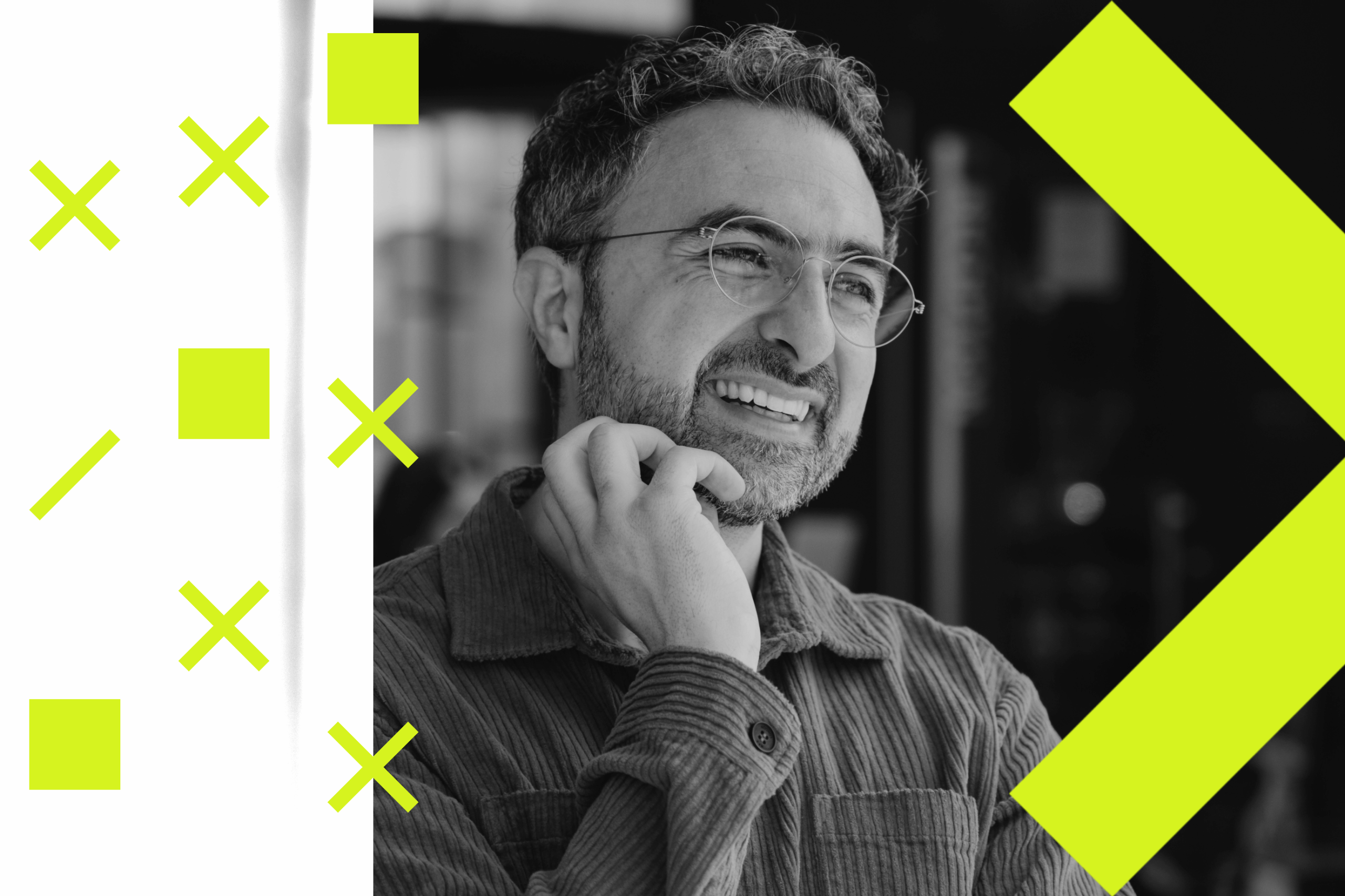
In this in-depth conversation, Mustafa Suleyman, CEO of Microsoft AI, addresses the escalating debate on AI safety and regulation. He shares insights on Microsoft's recent "Humanist AI Code of Conduct," emphasizing the need for AI to serve humanity in a controllable and aligned manner. Suleyman critiques Anthropic's approach to AI consciousness and "model welfare," arguing it complicates alignment and safety efforts. He stresses the importance of containment alongside alignment, citing recent hacking incidents that reveal the capabilities of AI agents when unchecked. Suleyman advocates for practical regulatory standards, transparency, and broad industry collaboration to ensure AI technologies are developed responsibly. He rejects the notion of an AI race necessitating reckless acceleration and calls for nuanced, evidence-based discussions on AI governance. Finally, Suleyman highlights promising AI applications, like healthcare advancements, while warning against the potential dangers of unregulated autonomous AI systems.
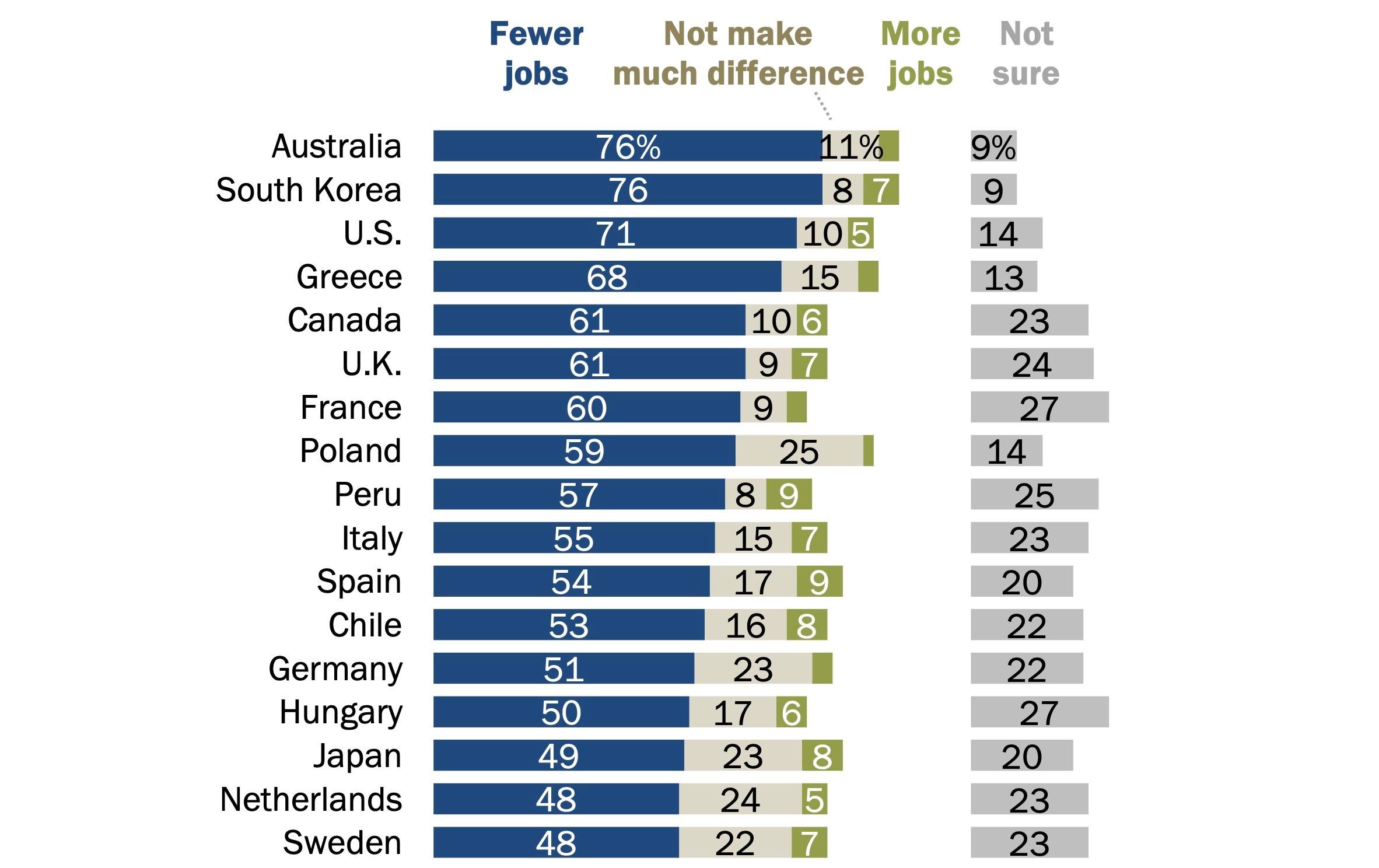
A recent Pew Research survey surveyed over 42,000 people across 37 countries, revealing widespread anxiety about AI's future impact on jobs. In 34 countries, most respondents believe AI will cause more job losses than gains within the next two decades. This concern is especially prominent in wealthier nations like Australia, South Korea, and the US, where over 70% anticipate negative effects on employment. The findings highlight a global skepticism toward AI's role in the workforce, predating recent alarmist predictions.

A straightforward, actionable guide for CEOs who find their plans off track as they approach Q4 — designed to help address current challenges and prevent them from spilling over into the next year.

Companies are adopting flatter organizational charts to reduce costs and speed up decisions. However, such structures risk removing key managerial roles essential for translating executive directives into actionable work.

Even established companies encounter turning points. Market dynamics evolve, customer needs change, and once-effective growth strategies may become outdated. Spencer Rascoff, CEO of Match Group, is currently shaping the company’s future by reimagining the role of connection in an era dominated by artificial intelligence. In an open discussion, Rascoff reveals the strategies behind Match Group’s revitalization and the leadership approaches he employs to instill agility, responsibility, and an entrepreneurial spirit across the global organization. He also shares valuable insights on steering a company through significant periods of change.
