Managerial burnout isn't a given. Adopting these five daily habits can effectively prevent it and help maintain strong, energized teams.


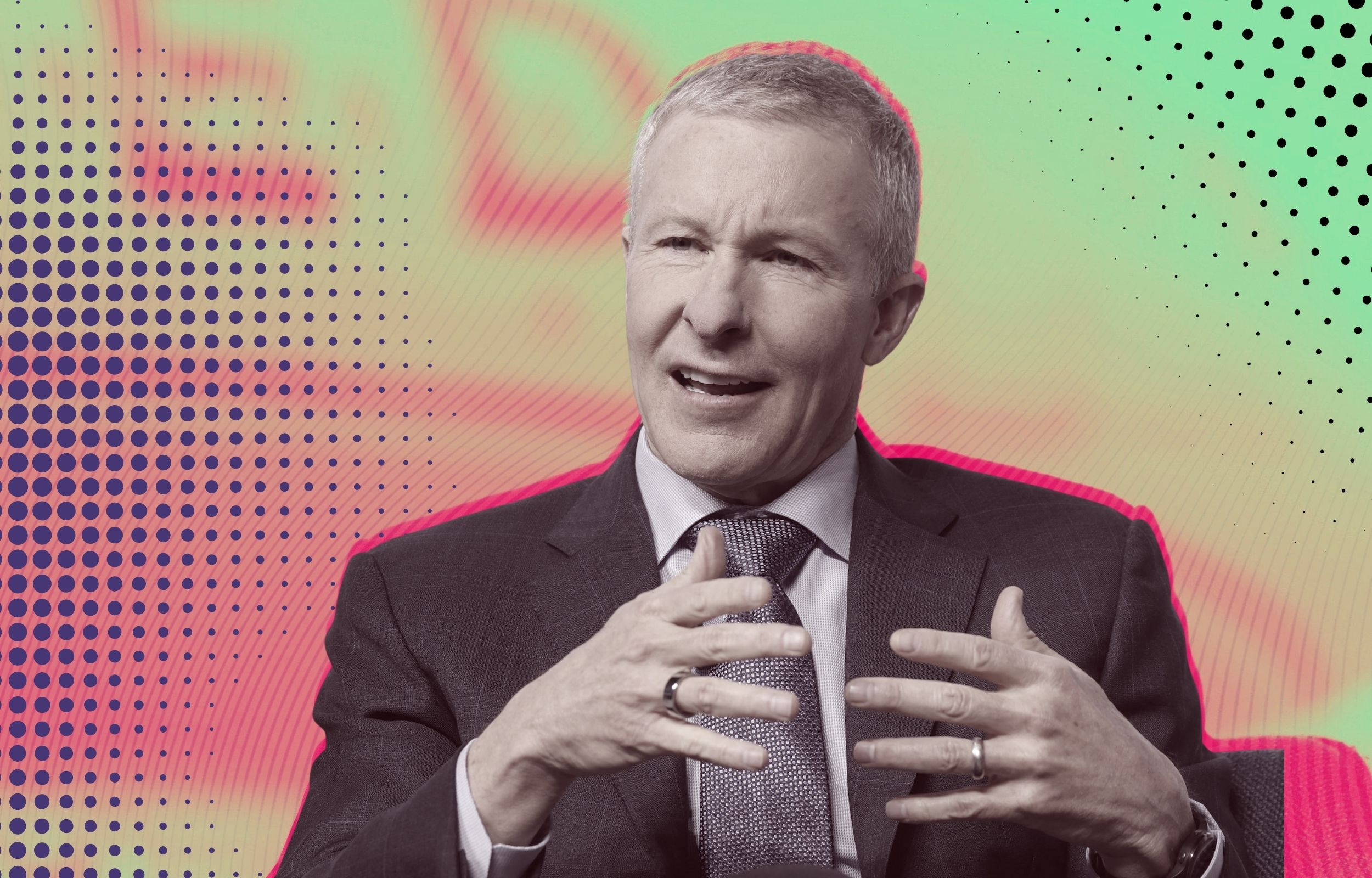
Out of 75,000 job applications received for 3,000 available positions, this CEO implements a unique hiring test to carefully select only 4% of candidates, highlighting a highly selective recruitment approach.

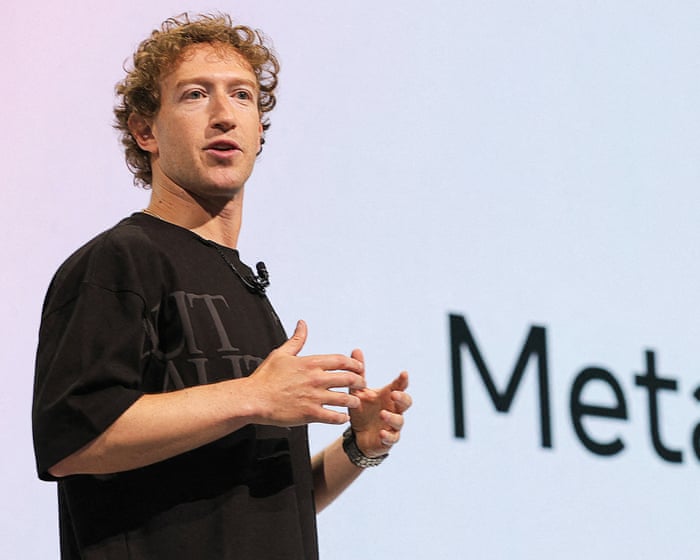
Meta is crafting an AI-powered digital doppelgänger of its CEO, Mark Zuckerberg, designed to mimic his communication style, tone, and strategic insights. This AI version aims to make it easier for the company's nearly 79,000 employees to connect and get answers directly from a virtual 'boss.' The project uses Zuckerberg's public statements and personal mannerisms to create an engaging and accessible interface for staff.

Anne-Isabelle Choueiri, formerly of Estée Lauder Companies, has been appointed as WPP's inaugural Chief Transformation Officer. In her new role, she will be responsible for designing and implementing the operational framework essential to the company's strategic Elevate28 plan.


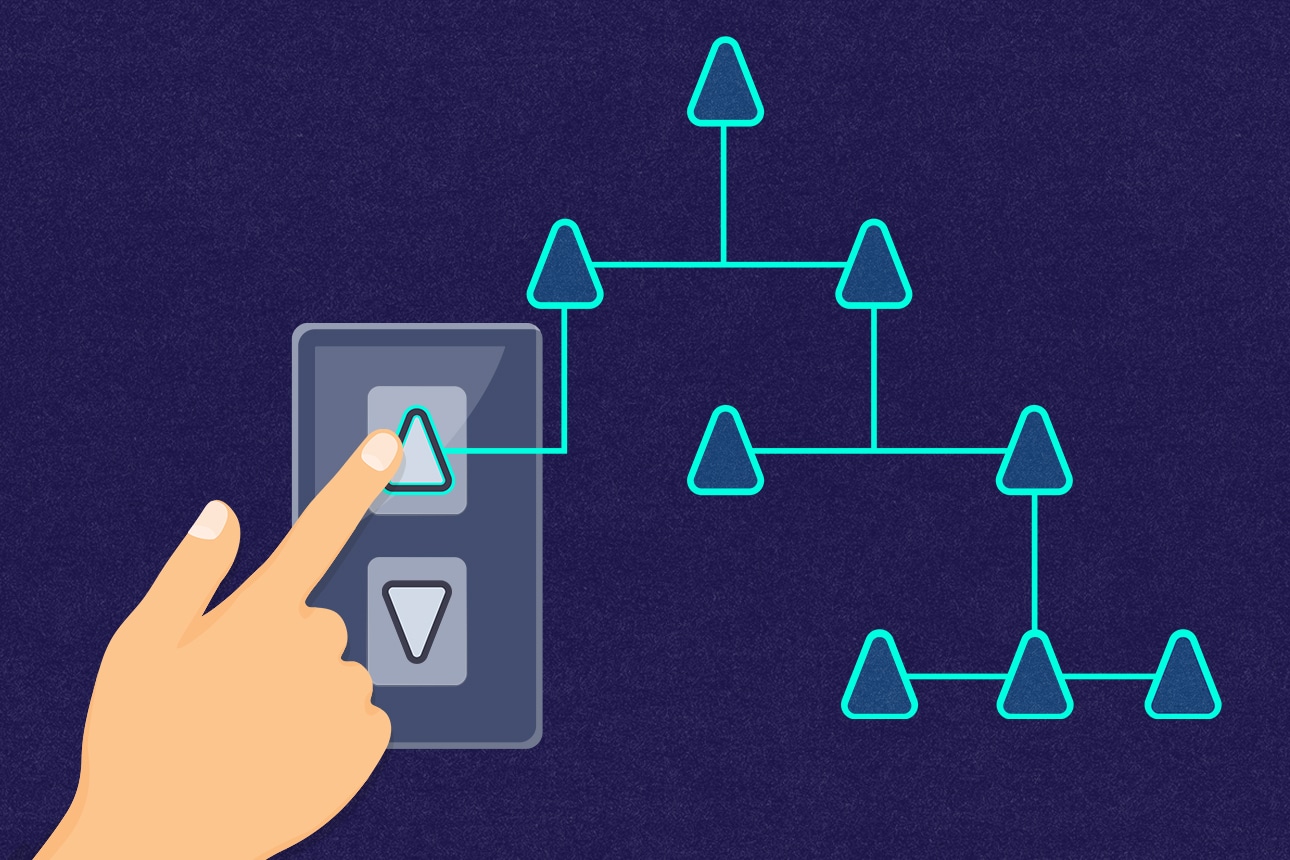
Are you confident in your ability to manage upward? Navigating relationships with supervisors can be tricky—whether facing micromanagement, feeling sidelined, or unclear about expectations. Effective upward leadership entails active listening to those higher up, influencing them to support your team, and assisting in aligning efforts with organizational goals. In today’s environment, where AI may reduce middle management layers, these skills are even more critical. Upward leaders play three interconnected roles: Buffer, Translator, and Advocate. Balancing these roles helps mitigate frustrations, clarify communications across levels, and persuasively advocate for your team's needs. Improving your skills starts with honest self-assessment—identify which roles you lean on during frustration or flow states and if you can perform them both up and down the hierarchy. Developing buffering, translating, and advocating abilities involves learning emotional resilience, respectful communication, and strategic persuasion. Building candid, trust-filled relationships with superiors, adapting communication style to each leader, and thoughtfully choosing when and how to voice concerns are key to success. Regularly rebalancing your upward leadership approach helps sustain professional growth and organizational impact. Mastering these skills isn't just about career advancement; it's about fostering an environment that encourages open dialogue and engagement, driving better outcomes for teams and organizations alike.

In the realm of recruitment, AI often gets framed through extremes: overhyped promises or alarming threats. However, experienced talent leaders recognize a more balanced narrative. Having spent years developing AI hiring tools and collaborating with recruitment teams, I've witnessed the difference between myth and reality firsthand. Here are four widespread misconceptions about AI in hiring and why it’s time to let them go:
-
AI hiring tools are not inherently more biased than humans; in fact, studies show AI can be fairer than human recruiters. Human bias remains the largest challenge in recruitment.
-
AI interviews aren’t cold or dehumanizing; many candidates report feeling comfortable and appreciated as these tools provide a consistent and patient platform to showcase skills.
-
AI interview evaluations focus on the content and quality of responses, not on appearance, accent, or presentation, helping reduce bias found in traditional interviews.
-
Implementing AI in hiring is not just a technical decision; it’s a talent management challenge. Talent leaders must guide AI adoption to ensure the technology truly benefits recruitment outcomes.
The true risk lies in clinging to outdated hiring practices rather than embracing tools that promote fairness and accuracy. The technology and data are ready—now is the time for organizations to take ownership and lead the way in inclusive talent acquisition.

Getting ahead of regulatory changes allows businesses to seize early-mover advantages and stay competitive in evolving markets.

Recent findings and expert analysis highlight that the main AI-related challenge for businesses isn't job cuts, but the urgent need to rapidly upskill employees to maintain a competitive edge.

Explore 8 ways artificial intelligence is reshaping business practices, impacting not just productivity and jobs but also creating new challenges related to gender equity in the workplace.

As the generation most familiar with technology, Gen Z is increasingly skeptical about whether AI is a benefit or a burden in the workplace, grappling with concerns like job security and burnout.