IBM agreed to a $17 million settlement with the U.S. Department of Justice to resolve claims that its diversity, equity, and inclusion programs violated federal regulations. The settlement addresses concerns raised by the DOJ regarding IBM's DEI initiatives, bringing an end to the legal dispute.


The term "workslop" has emerged as a way to describe AI-generated output that looks finished on the surface but is riddled with errors, requiring significant effort to fix. Ken, a copywriter for a cybersecurity company in Miami, shares how his enthusiasm for work faded as he faced an increasing amount of this flawed content. This issue stems from the AI revolution, where rapid content creation often leads to subpar results that demand time-consuming corrections, ultimately hindering productivity despite initial impressions.


AI technology is becoming ubiquitous in workplaces, integrated into everything from emails to calendars. However, a recent survey by generative AI firm Writer and research group Workplace Intelligence reveals a surprising trend: 29% of employees across the U.S., U.K., and Europe confess to actively undermining their company's AI strategies. The survey, which included 2,400 participants ranging from executives to team leads, highlighted various acts of resistance such as ignoring AI protocols, skipping AI training, and even providing sensitive data to unauthorized AI platforms. Alarmingly, 44% of Gen Z respondents admit to sabotaging AI rollouts, reflecting their unique challenges in a shifting job market. Concerns driving this resistance include fears of job loss, dissatisfaction with AI tools, and feelings that AI diminishes personal value and creativity. These concerns are substantiated by reports showing AI-related job cuts making up 25% of layoffs in March and prolonged unemployment for affected workers. The study also points to a disconnect between employees and executives on AI literacy, with a significant portion of leadership planning layoffs for those resistant to adapting.


After employee concerns were raised about Duolingo's performance review process, CEO Luis von Ahn responded by updating the evaluation metrics to improve fairness and transparency.

Snapchat's parent company, Snap Inc, announced plans to reduce its workforce by approximately 1,000 employees, representing 16% of its staff. This decision comes as the company's stock has declined and it faces demands from an activist investor to cut costs. In an internal memo, CEO Evan Spiegel highlighted that the layoffs are part of efforts to boost profitability and indicated that advances in artificial intelligence could compensate for the reduced headcount. This move aligns with broader tech industry trends where AI developments are influencing workforce reductions.

Duolingo initially included AI usage as part of its employee performance reviews, sparking some pushback from staff who questioned the value of using AI just for its own sake. CEO Luis von Ahn confirmed the company has since stepped back from this approach, emphasizing that job performance will now be judged on overall results rather than AI use alone. While Duolingo embraced an "AI-first" strategy last year, even suggesting less new hiring if roles could be automated, this too met resistance and was reconsidered. Von Ahn noted AI tools have accelerated productivity and enabled many new language courses, but also highlighted limitations, such as AI’s struggles with consistent narrative generation and coding accuracy. Despite these challenges, Von Ahn affirmed that no layoffs have occurred, as employee productivity has grown with AI assistance. Duolingo's recent financial outlook shows steady growth but falls short of some expectations.


Recent research from Forrester highlights a growing trend: companies are implementing AI tools at a rapid pace, yet not providing enough training for their employees. This disconnect risks undermining potential productivity improvements and the overall return on investment.


A recent report reveals a growing trend among organizations to expand their data teams, while simultaneously, many professionals express a reluctance to switch employers in 2026, seeking greater job stability.
LinkedIn reveals a 20% decrease in hiring since 2022, attributing the drop to rising interest rates rather than artificial intelligence advancements.


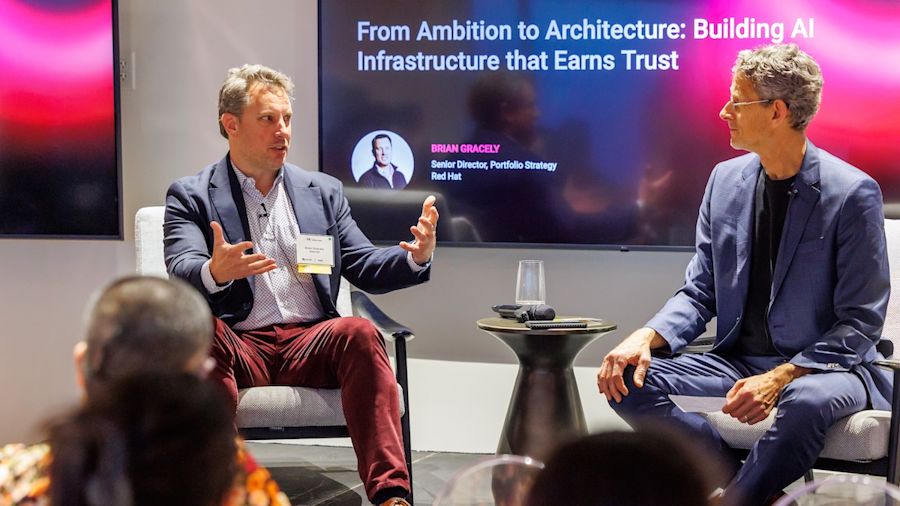
Enterprise AI is shifting focus from experimentation to evaluating returns on investment. Brian Gracely of Red Hat highlights challenges like AI sprawl, rising costs, and limited insight into AI outcomes as organizations move from pilot phases to full-scale production. The real question now is not what AI can be built, but how to ensure AI spending drives value. Initially, cost was less of a concern as businesses embraced generative AI for potential productivity gains. However, as AI costs rise and usage accelerates, enterprises face the challenge of aligning spending with measurable benefits, especially with expensive GPU computing. Traditional AI procurement models, paying per token or API call, are being reconsidered in favor of more flexible approaches that include operating or renting GPUs and selecting appropriate AI models based on workload needs. Falling per-token costs are outweighed by overall increased consumption, a modern reflection of Jevons Paradox, leading to higher total spending. Future success lies in building adaptable AI infrastructure that balances cost efficiency with the agility to experiment and scale. Organizations must focus not just on current cost structures but also on developing flexible technical and operational strategies to navigate an evolving AI landscape.