


AI was initially seen as a tool to scale businesses by replacing human involvement — automate, remove the middleman, and boost efficiency and margins like SaaS models. However, companies implementing AI in real-world operations find the truth is quite the opposite: the more power AI holds, the closer teams need to be to their customers continuously.
This paradox emerges because AI shifts the nature of software. Instead of just running fixed workflows, AI must now interpret complex signals, adapt real-time, and understand context — which only humans embedded deeply in the customer environment can provide. Without this human context, AI produces noise rather than meaningful insights.
Trust is central when deploying AI live. Leaders question AI’s reliability in their unique environments, and these questions require human expertise that no AI model alone can answer. High-stakes scenarios, like cybersecurity, exemplify this need: is a flagged login an attack or legitimate user activity? Such nuances demand ongoing human-AI collaboration.
Top AI-driven companies are investing heavily in embedding expert teams within customer operations. These teams quickly translate real-world conditions into system adjustments, refining AI continuously. Internally, tearing down silos to bring engineers and operators side-by-side accelerates rapid decision-making and problem-solving.
Successful companies rebuild workflows around AI's strengths, invest in deep contextual knowledge, and treat trust itself as a product—earned through transparency, collaboration, and human accountability.
Ultimately, AI doesn't scale by removing humans; it scales by bringing people and technology closer to deliver smarter, trusted solutions.


AI-powered recruitment tools excel at sifting through large volumes of applications, but their strict filtering mechanisms can unintentionally exclude unconventional yet highly valuable candidates—those who could drive your business forward. It's crucial to recognize that relying solely on rigid algorithms may mean missing out on diverse talent that doesn't fit typical patterns but offers unique skills and perspectives.


DeepSeek is preparing to significantly expand its workforce across all departments as part of its strategy to strengthen its position against competitors in the AI industry. This recruitment drive coincides with the company's plans to secure approximately $7.4 billion in funding to support its growth ambitions.


Volkswagen is reportedly planning to cut about 100,000 jobs, which represents nearly 15% of its workforce, along with closing several plants in Germany. This move marks the largest restructuring in the automaker's history. The decision has sparked strong opposition from labor unions determined to resist these changes. The reduction comes as Europe's automotive sector contracts, with Volkswagen leading significant job cuts.


The Metropolitan Police have received a 12-month extension to continue their pilot project with Palantir, a spy-tech firm, as they seek a long-term provider. This extension follows the decision by London Mayor Sadiq Khan to block a £50m contract aimed at using Palantir's AI technology to automate intelligence analysis in criminal investigations.


When the purpose and value of marketing aren't clearly communicated, it often leads to its potential being underestimated by coworkers, explains Denise Dahlhoff from The Conference Board.

Meta has reversed its earlier decision to reassign 7,000 employees to AI-focused roles, including the Applied AI taskforce, opting instead to let employees decide whether to join these units. An internal memo highlighted the importance of personal agency, assuring that everyone’s choices will be respected, though the company hopes teams will continue advancing state-of-the-art AI work together. The memo also emphasized that the AI taskforce remains a top priority, with Meta working to minimize disruption during any transitions. This move comes amid efforts to improve employee morale following significant layoffs and other internal challenges. Similar shifts in AI policies have been seen at other companies like Duolingo, Amazon, Uber, and Microsoft, reflecting a broader reconsideration of how AI integration impacts workforce dynamics.

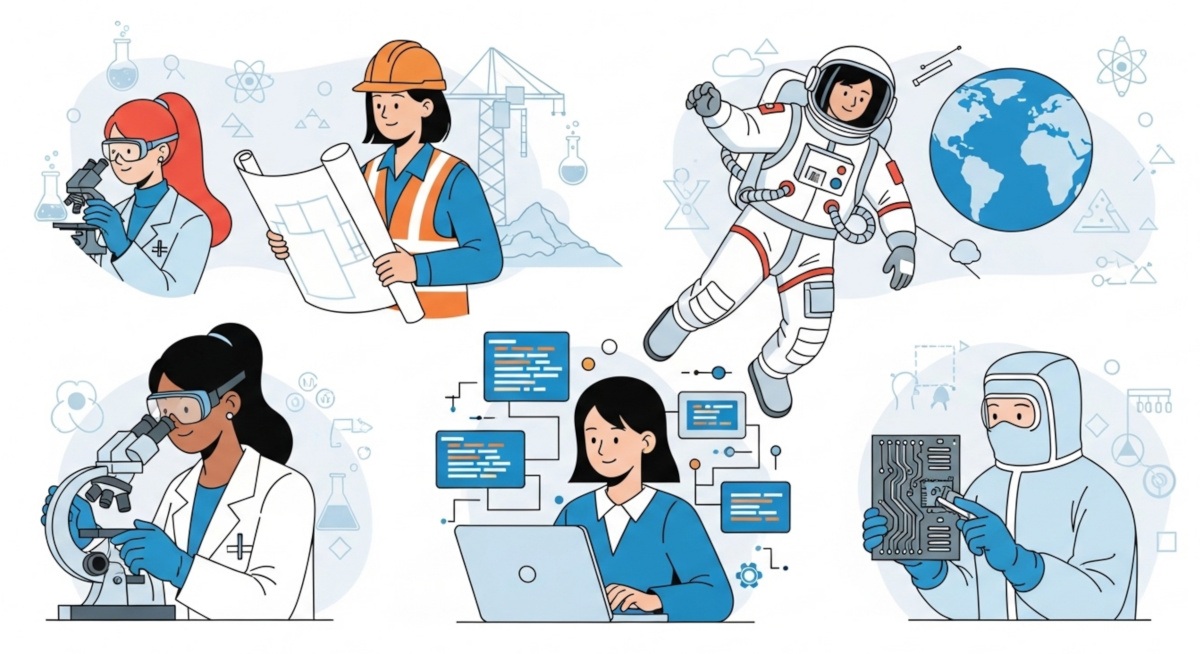
Faye Ellis from Pluralsight and Aileen Ryan from Rain Alliance explore the impact of advanced technologies and workplace changes on the career growth of women in engineering. They reflect on the progress made and the ongoing evolution in global diversity and leadership within the field.
Around 1,600 Meta employees signed a petition opposing a monitoring tool that tracked keystrokes, mouse activity, and screen content. Meta, the company behind Facebook, Instagram, and WhatsApp, has paused the program due to privacy concerns and internal pushback. The tool was intended to gather data for refining its AI technologies.
Executives today face the true risk of treating geopolitical and other disruptions as temporary rather than ongoing. In a world where events like conflicts, pandemics, and natural disasters impact supply chains, workforce planning, and customer demand faster than ever, a shift in mindset is crucial. For instance, the recent Middle East conflicts highlight how regional issues can ripple worldwide, impacting energy, shipping, and stability far beyond their origins. During crises, leaders often focus narrowly on immediate operational continuity, which leads to reactive decision-making and neglect of long-term strategy. According to the Conference Board’s 2026 C-Suite Outlook, 43% of U.S. CEOs consider uncertainty the biggest threat. Businesses need to move from surviving the near term to making outcome-based, long-range decisions. By anticipating geopolitical events as inevitable, leaders can prepare with strategic agility—through regional diversification, supply chain mapping, and inventory optimization—turning disruption into opportunity. Integrated Business Planning (IBP) serves as a vital tool, enabling companies to maintain a structured, long-term perspective and transform volatile events into competitive advantages. This approach helps convert crises into points of arbitrage, allowing companies to thrive amid uncertainty rather than merely react to it. Andrea Montecchi, chairman of Oliver Wight Americas, emphasizes that with the right framework, geopolitical volatility becomes a strategic tool rather than an obstacle.
