


Gillian Blease/Ikon Images
The authors adapted the Big Five personality test to help teams understand personality preferences and improve collaboration. They tested this approach with over 600 teams at IMD leadership programs and with 100 senior executive teams across Europe, Asia, and the US.
Medita Holdings’ executive team struggled with indecision and unfocused discussions despite seeming engaged. Their shared trait of strong intellectual curiosity led to unproductive debates and difficulty in prioritizing. The approach uses personality assessments as a diagnostic tool to foster open dialogue about team dynamics, encouraging members to understand and value their differences.
By plotting personality scores like constellations, teams visualize their collective traits—"team DNA"—that reveal both risks and benefits. Three key patterns can trap teams: like-mindedness causing blind spots, polarized traits that generate tension, and outliers whose unique profiles may be ignored or control group dynamics. Addressing these insights led to improvements such as assigning a "focus keeper" to keep discussions on track and restructuring teams to incorporate diverse perspectives.
Facilitated workshops on personality foster safe, productive conversations that promote self-awareness and mutual respect. Teams can preempt dysfunction or accelerate cohesion by sharing and discussing their profiles. The Big Five's open-access International Personality Item Pool makes this practical even without certified facilitators. Ultimately, understanding personality differences depersonalizes conflicts and enhances appreciation of each member’s strengths, enabling better teamwork and decision-making.


Business leaders must follow essential steps to successfully integrate AI into their operations and achieve meaningful results.

Many successful companies fail to recognize when the market dynamics begin to change, which can slowly erode their relevance over time.


Jamie Dimon, the CEO of JPMorgan, shared that when considering candidates for major leadership roles, he pays close attention to one critical trait that often spells trouble for leaders.

New processes often seem promising at first but fail during execution because teams revert to familiar habits, seeking comfort in the known rather than embracing change. Understanding this hesitation is key to guiding successful transformation.


Peter Pronovost, Justin Norden, and Kedar Mate emphasize that senior leaders must take daily responsibility for AI governance in hospitals rather than leaving it to a technology committee that meets infrequently.


Monday.com will reduce its global workforce by approximately 20 percent, eliminating about 620 positions. This move is part of a strategic restructuring aimed at developing and enhancing its AI Work Platform. The company, an Israeli leader in project management software, announced the plan in a filing with the US Securities and Exchange Commission, emphasizing the shift toward a more streamlined operational model.

Meta has announced the appointment of Assaf Keren as its new chief information security officer, following the departure of Guy Rosen in June after 13 years with the company. Keren brings extensive experience from his recent role as chief security officer at Qualtrics, where he worked for two years, as well as his prior position in the same role at PayPal.


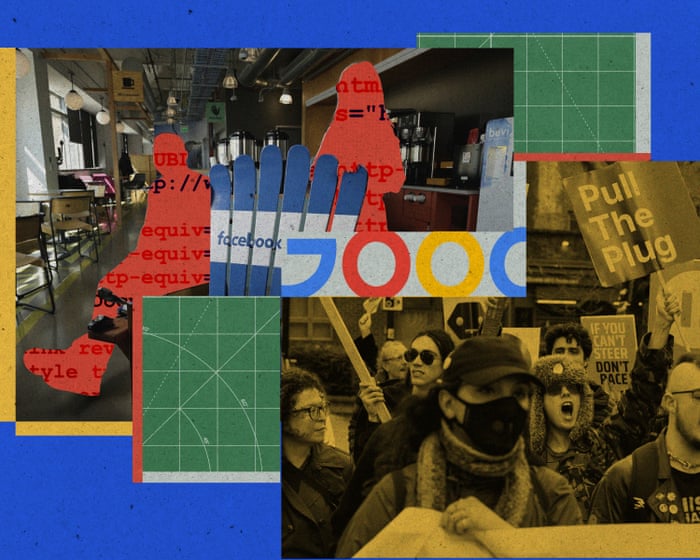
Tech employees are increasingly turning to unions, challenging the long-standing notion that Silicon Valley workers are immune to unionization. Traditionally, tech jobs came with top-tier pay, excellent benefits, and a casual culture that gave engineers a sense of equality with their managers. However, recent AI-driven layoffs and concerns over job security have changed the landscape. Workers at companies like Google DeepMind and Meta are now pushing back against not only job risks but also ethical concerns about AI's military use and workplace monitoring. These developments have sparked a growing wave of union efforts among tech professionals.
Erik Brynjolfsson challenges the common question about AI's impact by urging us to focus on how we use AI rather than what AI will do to us. In a conversation on "Me, Myself, and AI," Brynjolfsson, a leading economist at Stanford, discusses the critical role human choices, institutions, and organizations play in shaping AI's economic and social impact. He reflects on his earlier predictions about AI progress, the complexities behind AI adoption, and the importance of investment in complementary assets like new skills and business models. Brynjolfsson highlights recent research showing that AI's impact on jobs varies significantly by age and occupation, emphasizing the need to think beyond job automation to the creation of new opportunities. He advocates for mindful optimism, stressing human agency and values in directing AI's development toward economic growth and shared prosperity. The conversation covers the challenges of measuring AI's benefits, the J-curve effect in productivity adoption, and the balance between academic and industry roles in AI innovation. Brynjolfsson calls for active engagement from all stakeholders to navigate AI's transformative potential responsibly.
