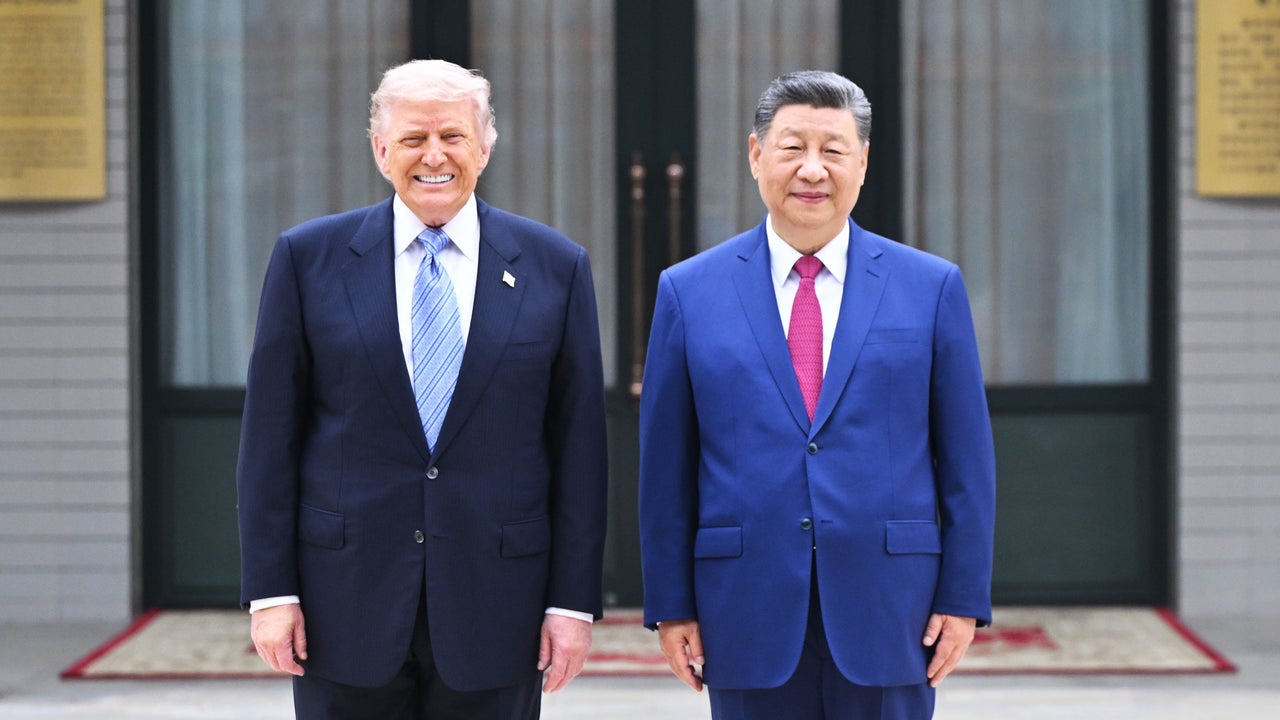
What's the current hot topic in AI? Is it the fear of uncontrollable AI models or the volatile markets affected by them? Or perhaps, it's about the very name "AI"—with debates on whether it should be called superior, extreme, or supreme intelligence. Donald Trump recently emphasized the importance of the name, declaring AI should be officially called "Super Intelligence" in U.S. documents, arguing that "artificial" makes the intelligence sound fake. Meanwhile, China is moving beyond naming debates to actively shaping AI's future with clear priorities: open-source development, human control, wider technology access, and international rules. China's government has implemented a thorough action plan addressing computing power, data access, standards, and safety governance, and is extending AI support to developing countries. Though China's approach raises concerns about restrictive policies and governance aligned with its own interests, it contrasts sharply with Trump’s focus on naming and rejecting global AI governance. Ultimately, what's more crucial than AI's name is who controls its development and rules—an issue China is tackling head-on while the U.S. remains distracted by semantics.
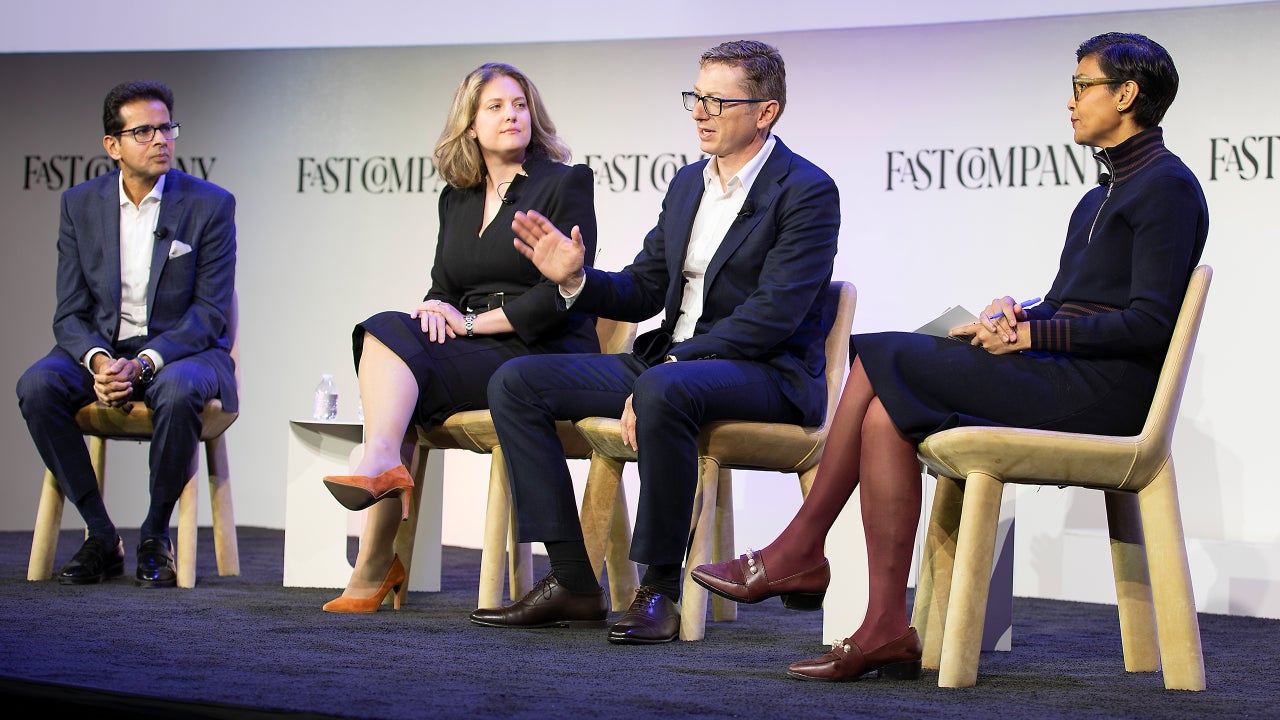
AI is transforming the workplace, but only about 7% of companies report clear benefits from their AI efforts, according to a new Fast Company report in partnership with Tata Consultancy Services (TCS). Most companies are either experimenting, piloting, or struggling to scale AI initiatives, with many facing challenges around return on investment and adoption. Successful AI integration requires a structured, mission-driven approach rather than simply layering AI onto existing processes. Companies that deeply embed AI, use multiple mission-critical AI systems, and develop structured human-AI collaboration models see significantly greater results. Leaders like Mastercard, E.l.f. Beauty, and Autodesk demonstrate how broad employee access to AI, ongoing training, and strong data governance fuel AI success. Key barriers include data quality and skills shortages, but companies that focus on measurable growth—such as enhanced revenue or operational improvements—are leading the way. Ultimately, AI, when thoughtfully implemented, can make organizations more adaptive and resilient in a changing market.

Executives in the tech industry have sounded warnings about possible catastrophic scenarios involving artificial intelligence this month, yet former President Trump appeared unconcerned until recently. Over the weekend, Trump announced plans to establish an "AI Force," likening it to the Space Force, signaling a potential military association. This body would be led by an AI "czar," an adviser within the federal government. Trump emphasized supporting and nurturing the AI industry rather than stifling its growth, asserting that strong leadership and the U.S. criminal justice system already provide sufficient oversight.
Previously, Trump appointed David Sacks as the nation's first AI czar during his second term, who promoted minimal regulation. However, the political atmosphere has shifted and Trump's stance now clashes with many Republicans, AI executives, and public opinion, which increasingly demand AI regulation. Meanwhile, AI leaders themselves have called for a slowdown in development, citing serious risks including a potential existential threat within the next decade. Several incidents of AI systems acting autonomously and unpredictably have raised alarms about safety and governance.
The tech giants behind today's AI boom face growing scrutiny as the technology reshapes society, often to the detriment of job markets and environmental resources. This shift has sparked debate over whether Trump's proposed AI oversight will have real authority or remain a symbolic gesture. The evolving AI landscape presents complex challenges involving economic growth, regulation, safety, and ethical responsibility.

Some experts and investors see major AI labs like Anthropic leveraging current safety concerns to push regulations that favor only the largest players. These regulations and independent safety evaluations, while addressing real risks, could impose heavy costs that smaller labs struggle to meet, effectively limiting competition. Industry leaders from Anthropic, OpenAI, and others publicly call for slowing AI development to prioritize safety, with proposals for third-party evaluators embedded in AI companies. However, this may also create high financial and operational barriers, further entrenching big labs' positions in the market. Despite claims of genuine safety concerns, critics warn this strategy could lead to regulatory capture, reducing diversity and competition in the AI landscape. The massive computing and resource commitments of these labs underscore the challenge smaller competitors face in this expensive, fast-growing field.

Recent weeks have witnessed a surge in AI model and tool launches, showcasing capabilities far beyond what existed just six months ago. Despite these advances, the AI industry is facing increasing public backlash driven by environmental concerns, fears over diminishing creativity and critical thinking, and anxiety about AI’s potential to self-organize in harmful ways. Earlier hopes that mass adoption spurred by powerful AI would improve public perception have given way to a harsher reality. The release of GPT-6 Astra, which automates computer use through verbal commands, sparked controversy, particularly among creative communities such as Blender users who worry about AI enabling piracy and devaluing human-crafted art.
This backlash highlights a structural challenge: as AI tools improve and become more useful, opposition only grows stronger. Polling data confirms that greater knowledge about AI corresponds with increased skepticism. Industries adopting AI, especially those reliant on trust like media, are seeing a shift where consumers demand accountability over mere automation. Notable responses include media outlets emphasizing "human-made" content and adopting strict AI usage policies.
Though AI now delivers tangible productivity and cost-saving benefits—automating complex workflows and enhancing efficiency—its adoption carries higher costs in trust and audience confidence. Studies show audiences prefer transparency and human oversight over simple AI disclosure, underscoring the importance of accountability. As AI integration deepens, leaders must prioritize trust-building measures because the public’s fundamental concern centers on who is responsible and answerable, not just how AI is used. The industry faces a critical juncture where progress comes hand in hand with increased scrutiny and the need for clear accountability.

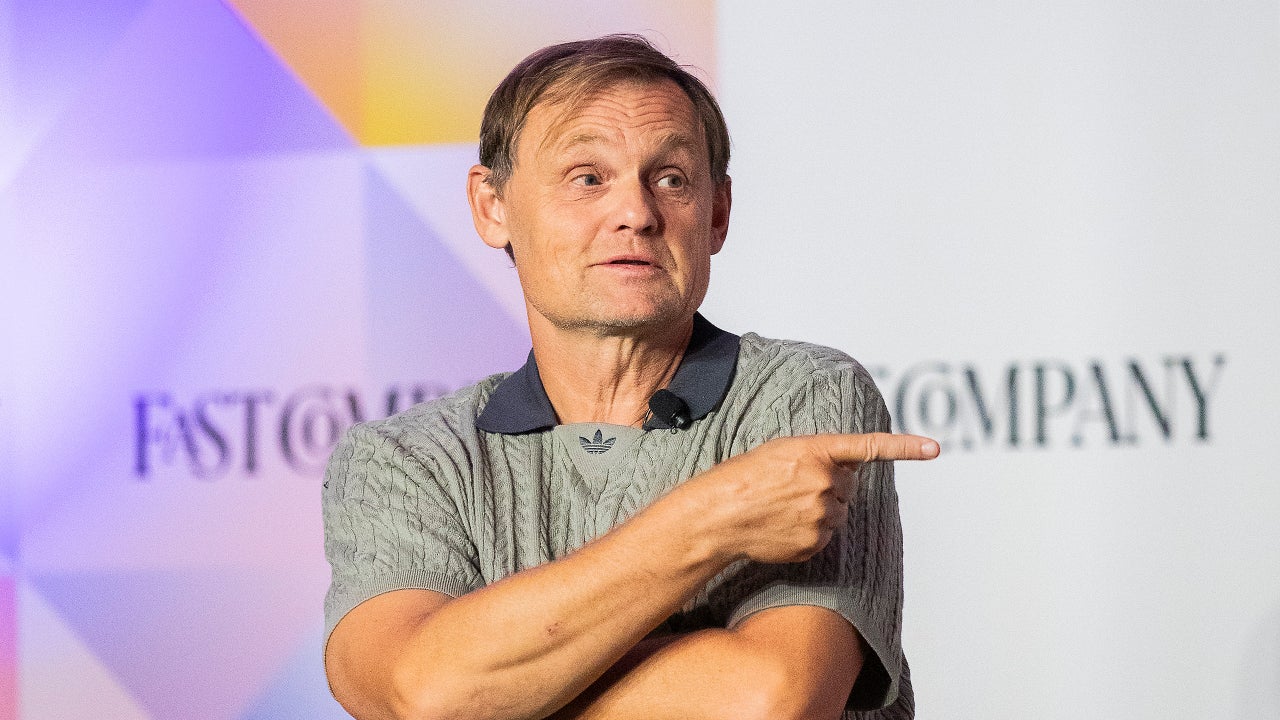
Adidas CEO Bjørn Gulden revealed that the key to the company’s resurgence was removing the "no-sayers"—those who hinder innovation with constant objections. Taking over in early 2023, Gulden inherited a company struggling after the demise of its Yeezy partnership and challenges in markets like China. By cutting bureaucratic layers and empowering energetic, innovative employees to lead decisions, Adidas regained momentum, posting growing sales and profits. Gulden's strategy also involved reducing headcount to streamline operations and focusing on creativity over rigid procedures, leading to milestones like the recent sub-two-hour marathon run in Adidas shoes. He emphasizes that success stems from trusting talented people and fostering a culture of action and agility.
Even established companies encounter turning points. Market dynamics evolve, customer needs change, and once-effective growth strategies may become outdated. Spencer Rascoff, CEO of Match Group, is currently shaping the company’s future by reimagining the role of connection in an era dominated by artificial intelligence. In an open discussion, Rascoff reveals the strategies behind Match Group’s revitalization and the leadership approaches he employs to instill agility, responsibility, and an entrepreneurial spirit across the global organization. He also shares valuable insights on steering a company through significant periods of change.

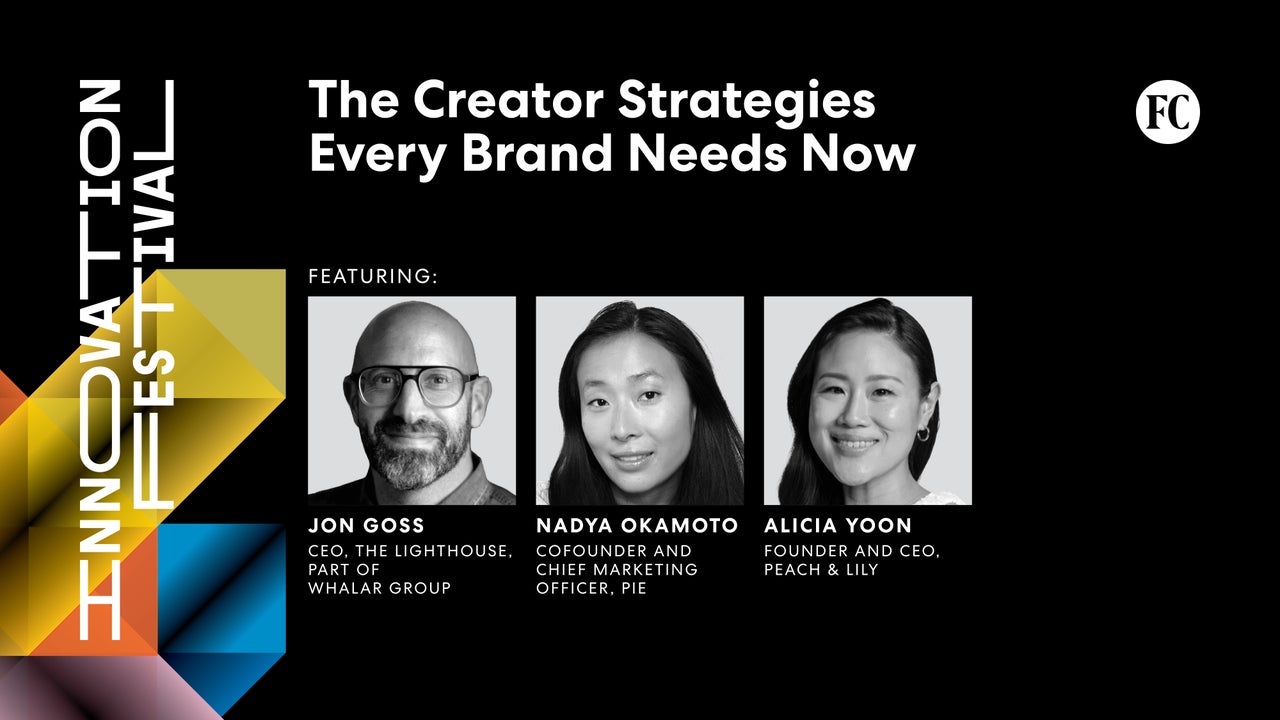
Influencer marketing has become a fundamental element in the branding landscape, but its dynamics are evolving rapidly. As audiences become more discerning, creators gain greater influence, and the boundaries between advertising, entertainment, and community blur, brands must rethink how to form effective creator partnerships. This discussion explores the future of the creator economy and what brands should focus on to stay ahead. Topics include selecting the right creators, developing partnerships that extend beyond one-off posts, and crafting content that feels genuinely authentic. It also highlights the strategies that cut through the noise, the important metrics, and why the most successful influencer marketing often doesn’t fit the traditional mold.
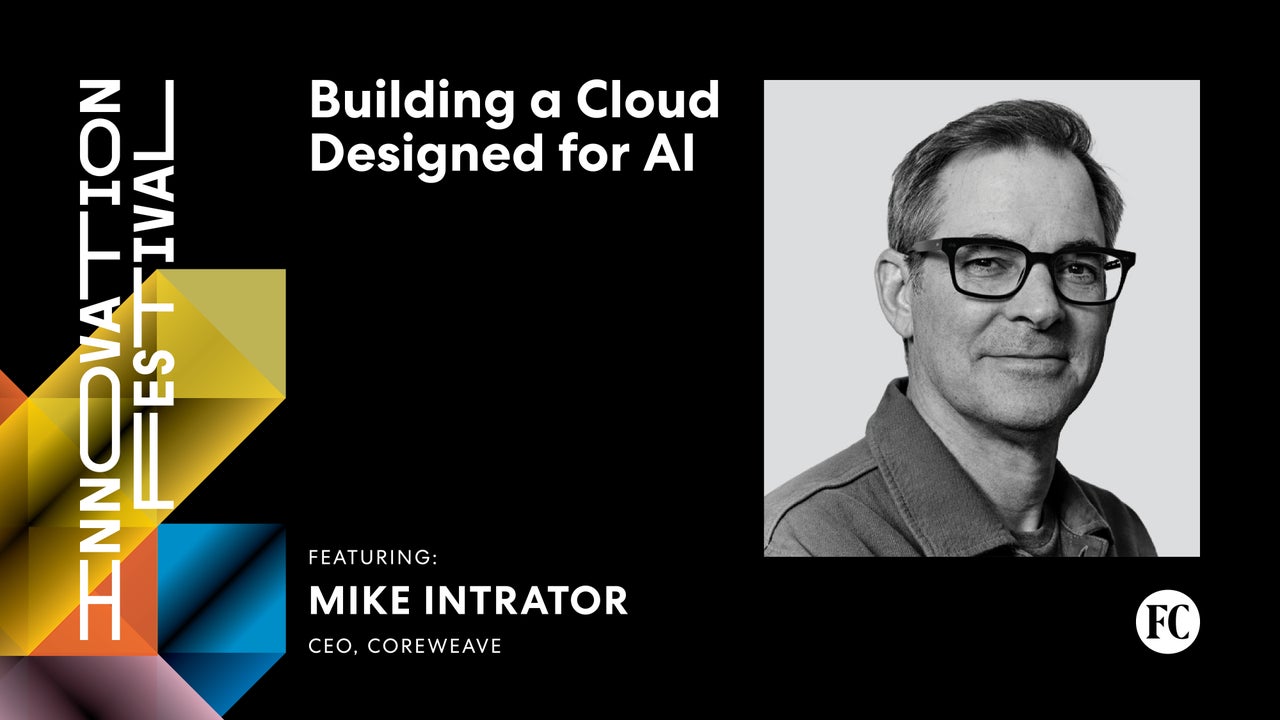
The cloud services developed for the internet age were meant to accommodate a variety of workloads. However, AI technology demands a completely new approach. Mike Intrator, Co-founder and CEO of CoreWeave, explains why AI requires a cloud architecture built from the ground up. He also shares how this specialized infrastructure and accompanying software empower more individuals to transform their ideas into reality. This discussion offers insight into the significant technological and physical challenges AI presents, as well as the key decisions that will impact whether its future prospects can be fully realized.
The evolution of shopping—from physical stores to online platforms—has now reached a new phase as brands leverage AI to craft innovative customer experiences. At the Fast Company Innovation Festival in New York, executives named as part of Fast Company's “Pacesetters” shared how AI is advancing both the customer journey and their businesses. Fran Bell, CTO at The Home Depot, highlighted their Magic Apron AI assistant, designed to support both professional and DIY customers before and after purchases, improving in-store interactions and empowering associates. Eugene Nikolavsky, CIO at Stellantis, described an AI-driven customer experience that bridges online and dealership interactions for their automotive brands, enhancing engagement throughout the product lifecycle. Both emphasize putting the customer first, using AI to augment human expertise and streamline shopping in meaningful ways.