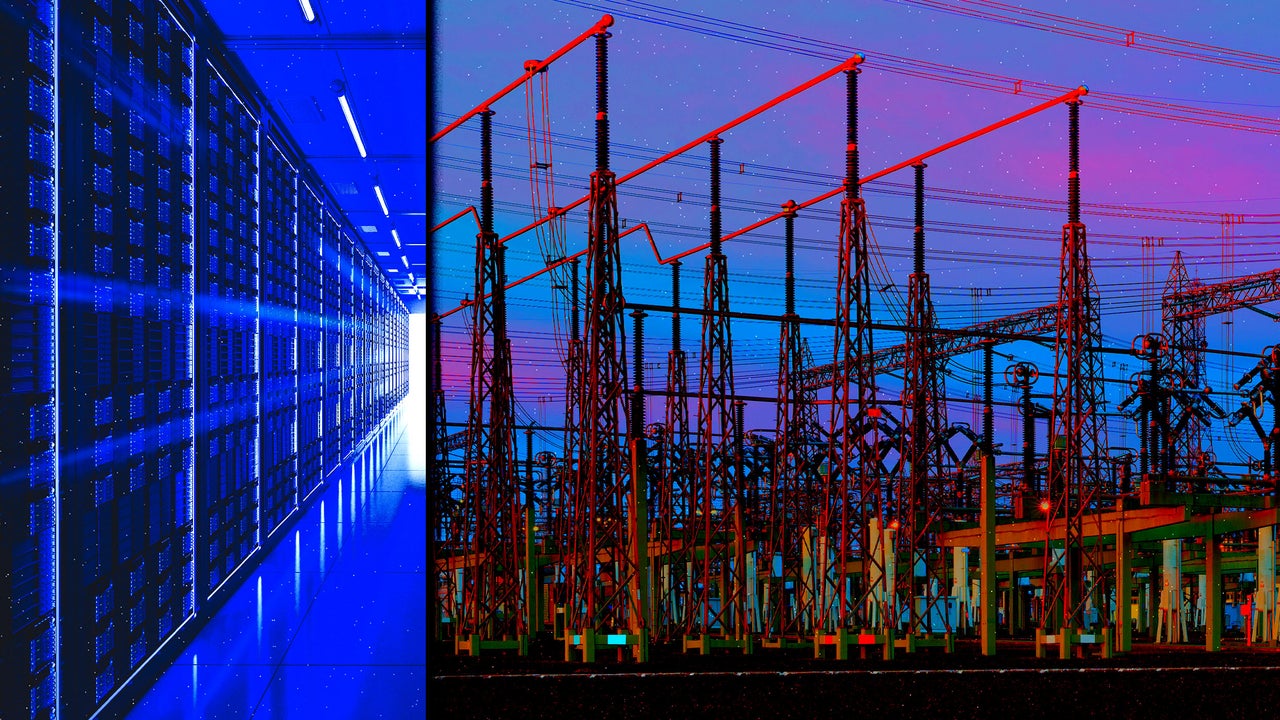
Microsoft has finalized a 20-year power purchase agreement with Chevron to secure energy from a new natural gas power plant, committing to a long-term source of carbon emissions for a substantial data center project.


Federal regulators have approved a plan to speed up connections for large energy users, particularly AI data centers, to the nation's electric grid. This move aims to address the growing energy demands from AI infrastructures and enhance the U.S.'s competitive edge against China in the technology sector. While the decision has been welcomed by tech companies and data center developers, it has sparked concerns among utilities, states, and clean energy advocates about the management of the process and the emphasis on renewable energy. The Federal Energy Regulatory Commission (FERC) unanimously voted to direct regional grid operators to facilitate timely and orderly grid connections, with data centers bearing the full cost of necessary upgrades. However, challenges remain as energy supplies tighten and public opposition grows over the environmental impact and rising energy costs caused by data centers. Major tech companies involved have pledged to support new power generation and infrastructure upgrades for their facilities, aiming to balance growth with concerns about affordability and sustainability.
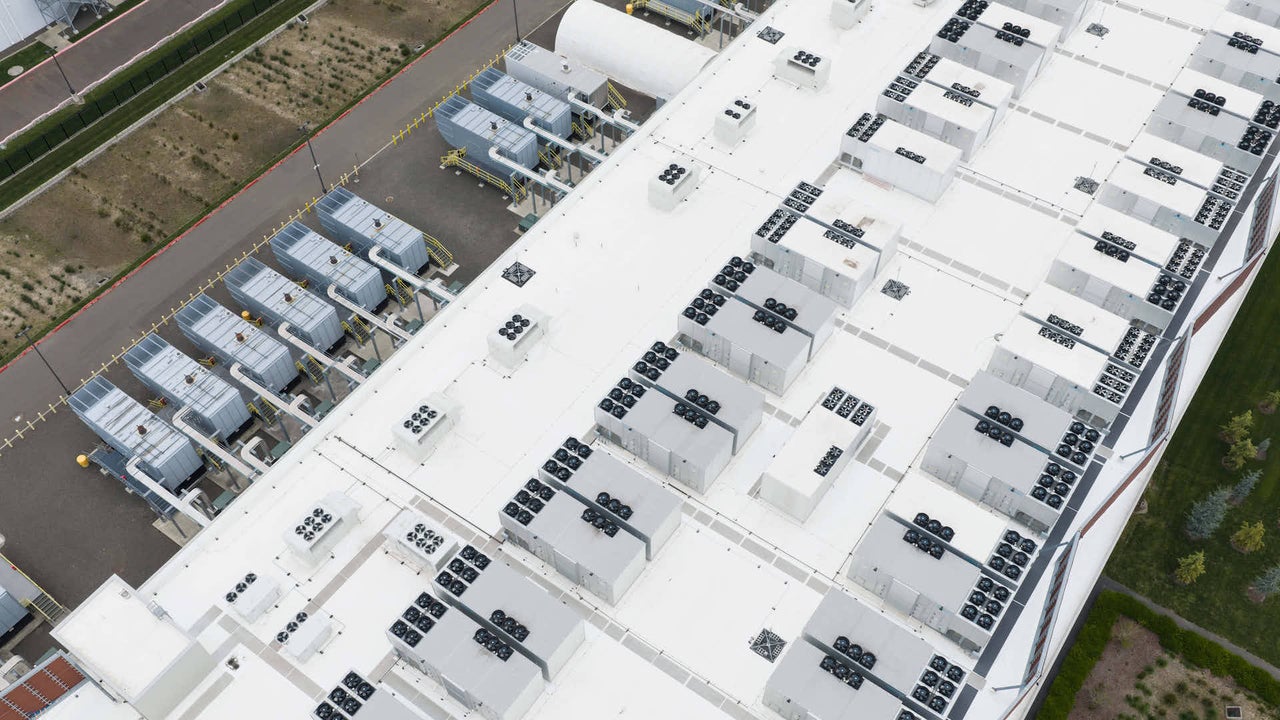

Sten H. Vermund and Patricia J. Kissinger highlight the growing energy consumption of artificial intelligence technologies as an emerging risk to public health. They emphasize the need to recognize this impact and propose actionable solutions to mitigate AI's strain on vital health resources.

Alt Carbon revealed that the partnership with Microsoft came after over a year of rigorous scientific evaluation and thorough due diligence. Microsoft insisted on extra verification and comprehensive data-sharing protocols to ensure transparency and accuracy.

Delta's Chief Sustainability Officer, Amelia DeLuca, champions environmental leadership through technology innovation and driving organizational change. Her approach focuses on making Delta's operations more sustainable while fostering the airline’s long-term growth, sharing her authentic perspective on leadership.


The New York State legislature has approved a one-year moratorium on new large data centers, pending Governor Kathy Hochul's signature. This marks the state's first attempt to halt data center growth temporarily in order to assess environmental and energy impacts. The bill asks the state environmental agency to evaluate the electricity, water usage, land consumption, and pollution caused by these facilities. It specifically targets data centers with a peak demand of 20 megawatts or more, requiring developers to hold off on construction while the impact study is conducted.
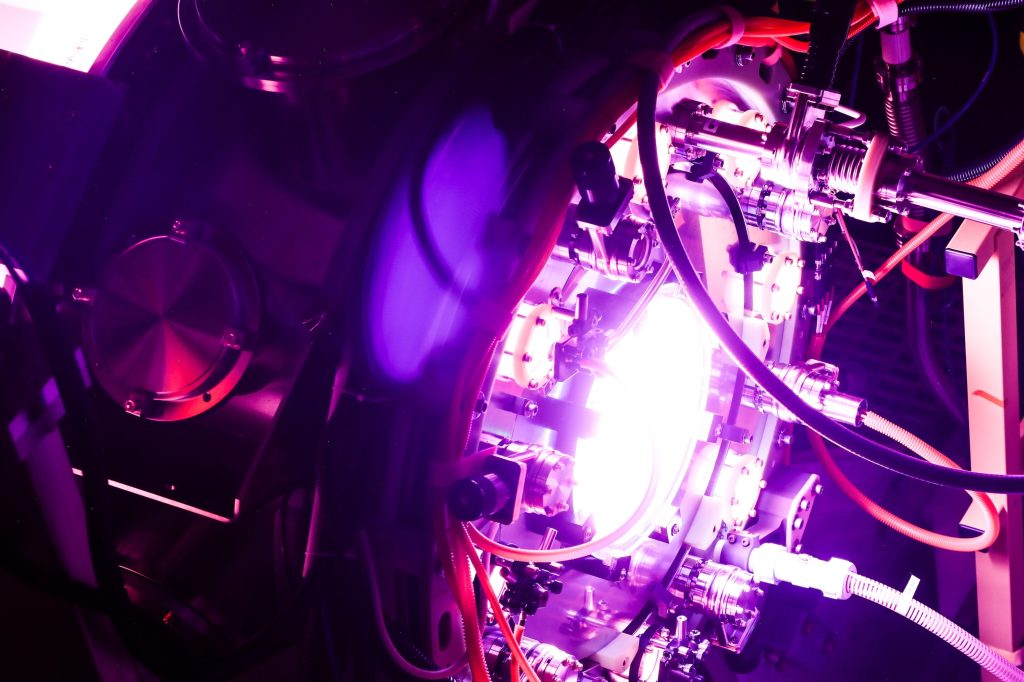
Helion, the fusion energy startup supported by Sam Altman, has raised $465 million to accelerate the construction of a fusion power plant intended to supply Microsoft by 2028. This significant capital injection will bolster Helion's efforts to bring innovative clean energy solutions to fruition within the next few years.

Violife’s latest campaign, “Undairy the Craving,” aims to dispel myths about the flavor and quality of vegan cheeses, encouraging consumers to rethink their assumptions about dairy-free products.


The European Commission has urged households across the EU to cut back on electricity use during peak hours. This appeal comes as the rapid expansion of AI data centres, increased electrification, and growing digital infrastructure needs put significant pressure on the continent’s power grids. Alongside this call, the Commission released a Data Centre Energy Efficiency Package aimed at promoting more sustainable energy practices within the sector.
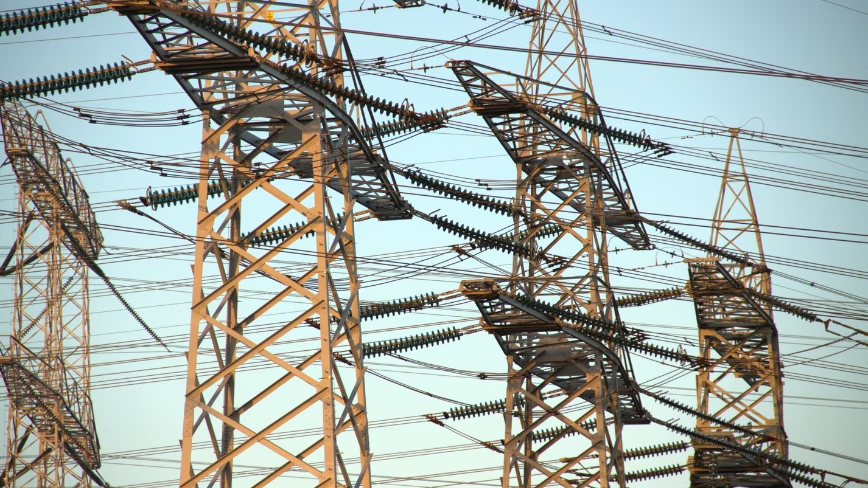
As AI technology rapidly expands, America's power grid is feeling unprecedented pressure. Utilities like PG&E entered 2026 anticipating moderate growth in electricity demand but were quickly overwhelmed, with requests for connections exceeding expectations early in the year. Traditional grid systems, designed for less dynamic demand, are struggling to keep up with an annual load growth spike reaching 4% in some regions, compared to the historical sub-1% norm. Projections indicate AI data centers alone could consume up to 9% of the nation's electricity by 2030, placing concentrated stress on grids in Virginia, Texas, and California. This demand surge is compounded by other factors like electric vehicles and new industrial loads, heavily taxing aging infrastructure. Utilities face numerous challenges including outdated operational models, lack of precise asset tracking, insufficient data management, and slow regulatory processes that delay critical infrastructure upgrades. Some are deploying AI solutions for predictive grid stress management, while regulatory reforms like California's Rule 30 aim to modernize cost allocation for large power users. Meanwhile, decentralized energy markets are emerging to circumvent grid constraints, yet the question of who bears modernization costs—technology firms or general consumers—remains contentious and politically charged. The grid's transformation is complex, requiring coordinated technical innovation and policy overhaul to meet today's energy demands.