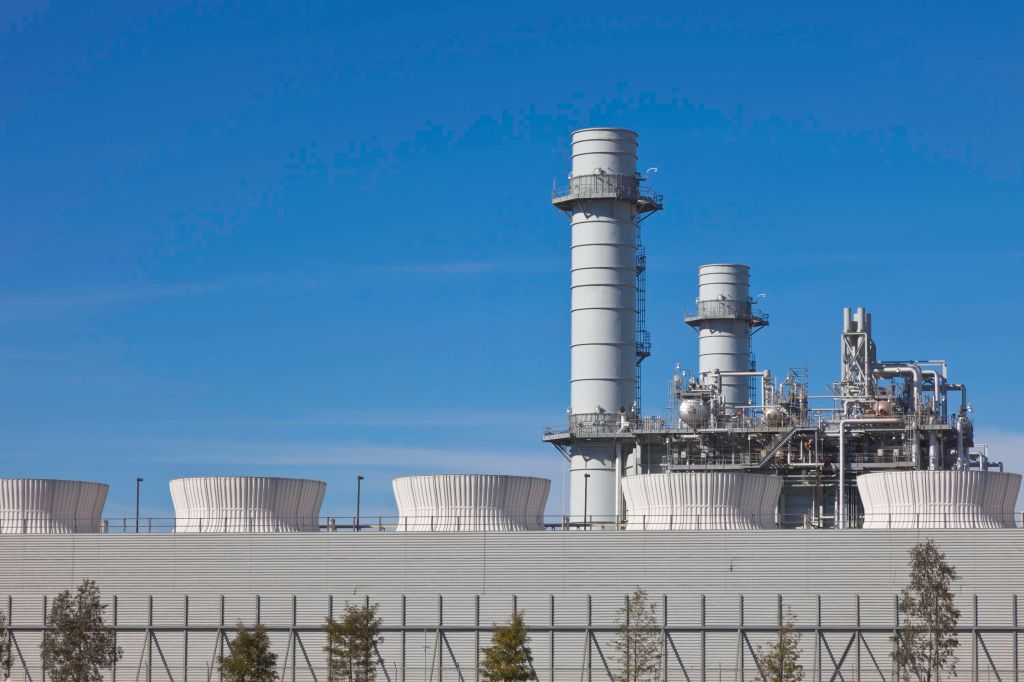
Senator Ed Markey has introduced a new legislative package targeting the negative impacts of artificial intelligence technologies. His proposals address multiple concerns including the excessive energy consumption of data centers, invasive surveillance in the workplace, the perpetuation of bias through automated hiring algorithms, the undermining of worker judgment by AI, and growing economic disparities fueled by disproportionate AI-driven profits.


The rapid growth of AI data centers is leading developers to consider Native American lands for new projects. An Indigenous-led organization, Honor the Earth, is monitoring over 100 proposed developments on or near tribal and rural areas. These locations attract developers due to available space, water rights, power access, and potential tax benefits offered by reservations.

Facing limited land availability and growing local opposition, Samsung is planning to deploy floating data centers at sea. Samsung Heavy Industries aims to launch its first custom-built barge data center by 2028, according to a report by Seoul Economic Daily. This innovative design will be a purpose-built floating facility stationed near the coast, rather than repurposing existing vessels.

In an exclusive statement, Foreign Secretary Yvette Cooper highlighted the severe dangers artificial intelligence could present, equating its risk to a 'Hiroshima'-level disaster if unchecked by international agreements. She emphasized the urgent need for countries, notably the US and China, to establish common global AI rules, anticipating that AI governance will be a central issue in foreign policy discussions in the coming years. This warning comes alongside concerns about the intertwined threats of climate change, irregular migration, and foreign interference.


Tech giants Amazon and Google are facing increased challenges in meeting their net-zero carbon emissions commitments, largely due to the environmental impact of AI technologies. The energy consumption and infrastructure demands of AI are proving to be significant hurdles in their sustainability efforts.
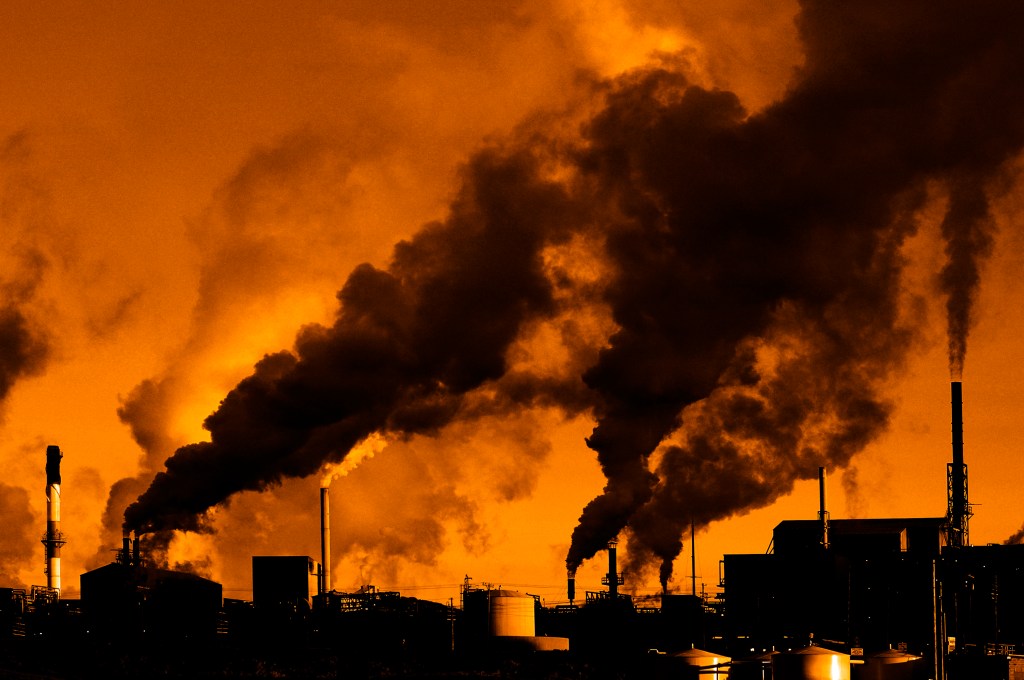
A recent United Nations report raises concerns that the rapid and uneven advancement of artificial intelligence could deepen global inequalities. The report calls for a unified framework to guide ethical AI development to ensure equitable benefits worldwide. UN Secretary-General António Guterres emphasized that as AI evolves, the lack of shared regulations could diminish the influence of governments and individuals over its impact. He urged immediate action, stressing that the technology is here and the implications are clear.

The Trump administration's regulatory actions risk delaying or blocking $121 billion worth of new solar and wind projects, which represent the largest share of the United States' upcoming power capacity additions.

A recent study highlights that nearly 80% of datacenters worldwide face significant risks from climate-related threats such as floods, extreme winds, and wildfires. These vulnerabilities pose challenges for datacenter operations, potentially leading to outages, increased downtime, and higher costs for insurance and repairs. The report, conducted by climate risk analytics firm First Street, also points out the paradox that the booming AI industry, which relies heavily on these datacenters, contributes to greenhouse gas emissions that exacerbate these climate risks.
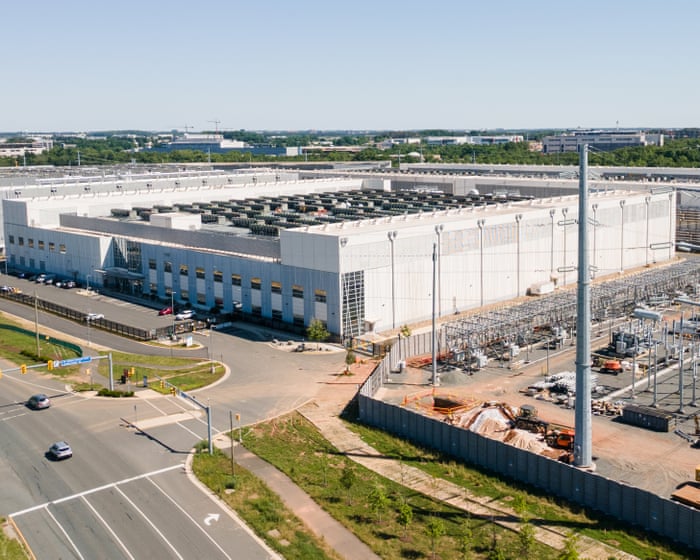

United Nations Secretary-General António Guterres urged AI companies to disclose the carbon emissions, water usage, and land consumption associated with their operations during his speech at London Climate Action Week. He introduced the AI Environmental Transparency Initiative, emphasizing the need for companies to measure and report their technology's environmental footprint. Guterres also called for AI data centers to transition to renewable energy sources like wind and solar by 2030, stressing that no hidden environmental costs should burden vulnerable communities. While some tech giants have committed to cleaner energy, the rapid growth of AI and supporting data centers has increased greenhouse gas emissions and resource use, accounting for about 1.5% of global electricity consumption in 2025, expected to nearly double by 2030. The UN continues to highlight the urgency of climate action to meet the Paris Agreement goals, promoting reductions in methane emissions and fossil fuel dependence amid ongoing progress and challenges in the global renewable energy transition.
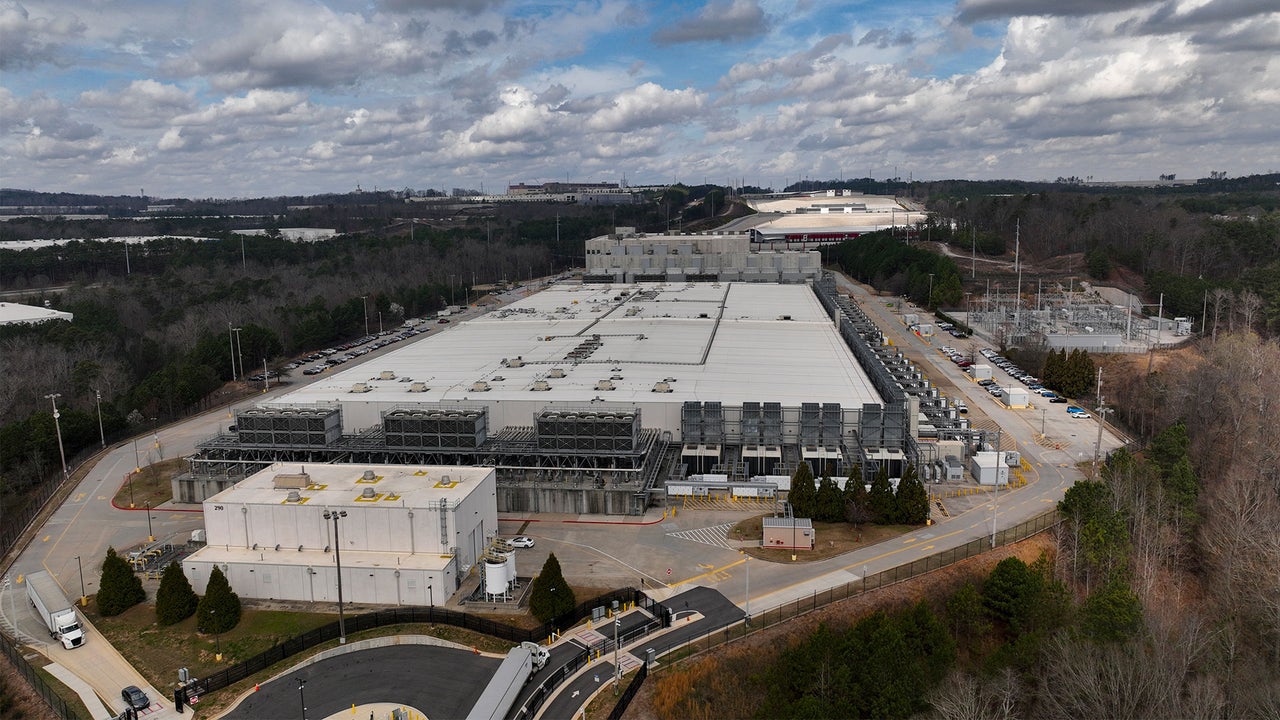
Nvidia has unveiled a new data center cooling solution that significantly reduces water consumption. However, this innovation doesn’t tackle the larger issue—AI’s extensive water footprint tied to fossil fuel-powered electricity generation.