Jean-Christophe Jaunin took over as CEO of Nespresso North America in 2026, coming from a role as global chief customer and technology officer. In an interview at the NYU Stern Center for Sustainable Business forum, he discussed how Nespresso integrates sustainability into its business model. Jaunin emphasized that sustainability is integral to maintaining the coffee's quality and future-proofing the business against environmental changes. Over the past two decades, the company shifted from conventional farming, which weakened soil and flavor, to methods that safeguard biodiversity and enrich the ecosystem, enhancing coffee quality. Nespresso supports over 150,000 farming families through its Sustainable Quality Program, offering training, direct partnerships, and income diversification initiatives like beekeeping, which not only benefits the environment but also fortifies farmers' economic resilience. The company consciously chose aluminum capsules for their ability to preserve coffee freshness and be recycled endlessly, committing to costly yet necessary recycling efforts including infrastructure investments in multiple states to ensure capsules can be fully recycled. This sustainability focus is tightly woven into the brand promise and long-term supply strategy.


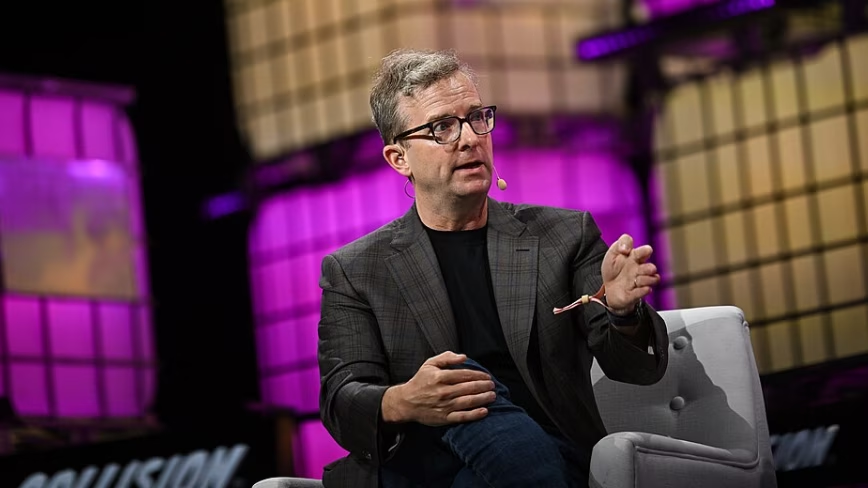
Gigascale Capital, led by former Meta CTO Mike Schroepfer, has secured $250 million to back startups focused on energy solutions, grid advancements, and critical mineral development. This marks Gigascale's second fund and its inaugural partnership with institutional investors. The initiative comes as venture capital trends heavily favor AI technologies, highlighting Schroepfer's commitment to climate tech progress.

A total of 341 pioneering research projects are set to receive over €36 million in funding. These projects span a diverse range of fields, including targeted cancer therapies, innovations in sustainable food production, and the development of energy-efficient battery technologies. This investment aims to fuel advancements that tackle critical challenges in health, environment, and energy sectors.


Senators Josh Hawley and Elizabeth Warren have called on the Energy Information Administration to increase its oversight by collecting detailed data on how power is consumed by data centers and the implications this has on the electrical grid's stability.


Employee well-being, commuting, and overall productivity face growing risks due to climate-related disruptions, Deloitte reports.

Your challenges with sustainability may not stem from the strategy itself, but from how people engage with it. The real issue lies in aligning your team and culture with sustainability goals, rather than just focusing on the sustainability plan.

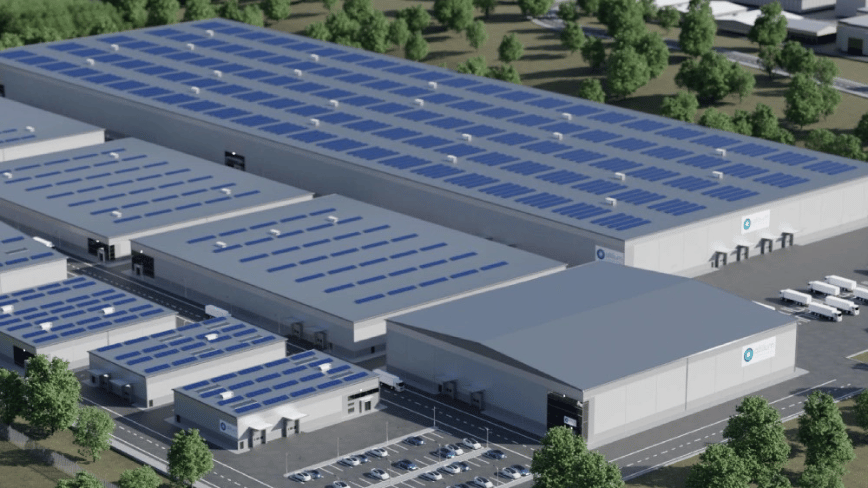
Altilium, a UK-based clean tech firm, has been awarded £18.5 million through the government’s DRIVE35 Scale-Up Fund to develop ACT3, the nation’s inaugural commercial facility dedicated to reclaiming vital minerals from used electric vehicle batteries. Situated in Plymouth, Devon, this plant will recycle 24,000 EV batteries annually by employing Altilium’s innovative EcoCathode™ technology.
Getting ahead of regulatory changes allows businesses to seize early-mover advantages and stay competitive in evolving markets.

The U.S. Energy Information Agency announced a new requirement for data centers to report detailed information about their energy usage, marking a significant move toward transparency in the industry.
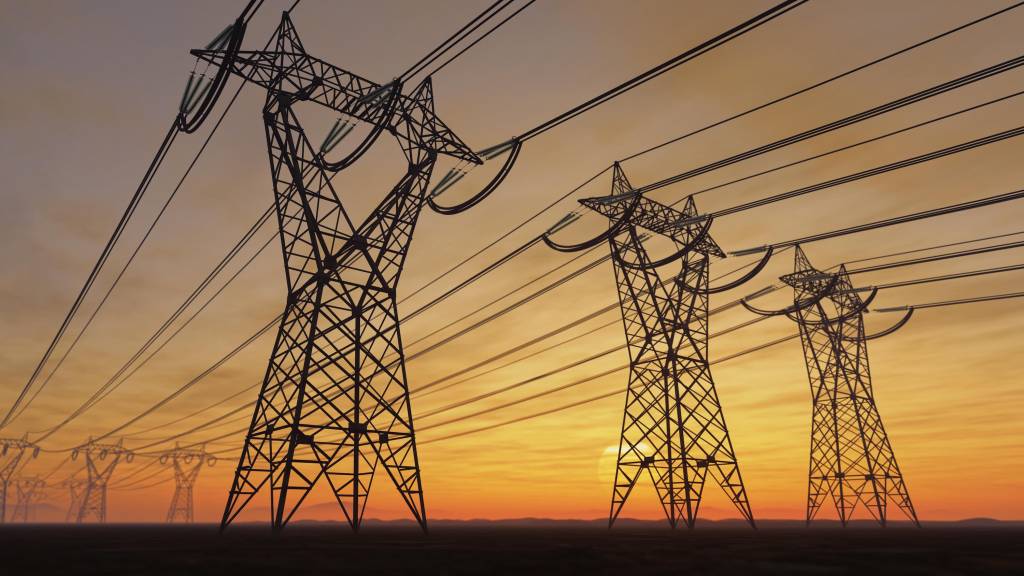

Maine has become the first U.S. state to temporarily halt the construction of large AI data centers, passing a bill that pauses new projects drawing more than 20 megawatts of power until November 2027. This move aims to give lawmakers time to assess the environmental and infrastructure impacts of these energy-intensive facilities that are critical to AI development. The legislation, supported by both Democrats and some Republicans, proposes creating a state council to oversee future data center projects. Maine's initiative reflects a growing trend across the country, where cities and states are reconsidering how to manage AI's rapid expansion and its effect on communities and power grids. Local governments, including those in Milwaukee suburbs and Bangor, Maine, have also enacted measures to slow data center growth and involve community input. State Rep. Melanie Sachs emphasizes the need for careful planning to prevent strain on electric infrastructure and protect the environment as AI technology expands.