In the evolving landscape of digital advertising, social media took the lead last year, capturing 40% of the market share. Alongside this growth, creator marketing has become firmly established as a fundamental media channel, as more brands and agencies formalize their engagement with content creators. Meanwhile, traditional search advertising has seen a deceleration, highlighting a significant shift in marketing strategies.

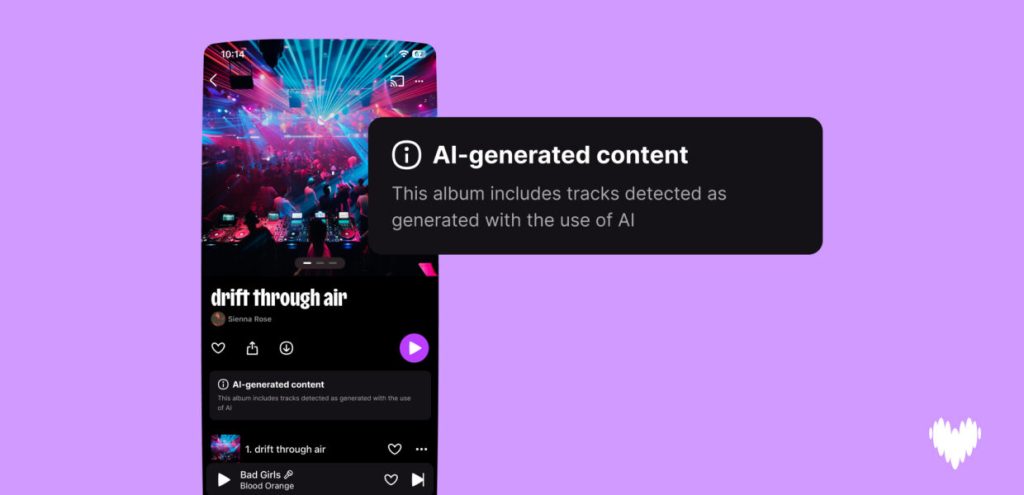
Deezer reveals that 44% of songs uploaded daily to its platform are created using AI technology. Despite this high upload rate, AI-generated tracks account for only 1-3% of total streams on the service. Moreover, Deezer has identified that 85% of these AI streams are fraudulent and consequently demonetized to maintain platform integrity.
The latest update to Google Photos brings new quick-edit tools that let users effortlessly enhance their photos. These include options to remove blemishes, smooth skin texture, brighten eyes, and whiten teeth, streamlining the touch-up process for more polished pictures.

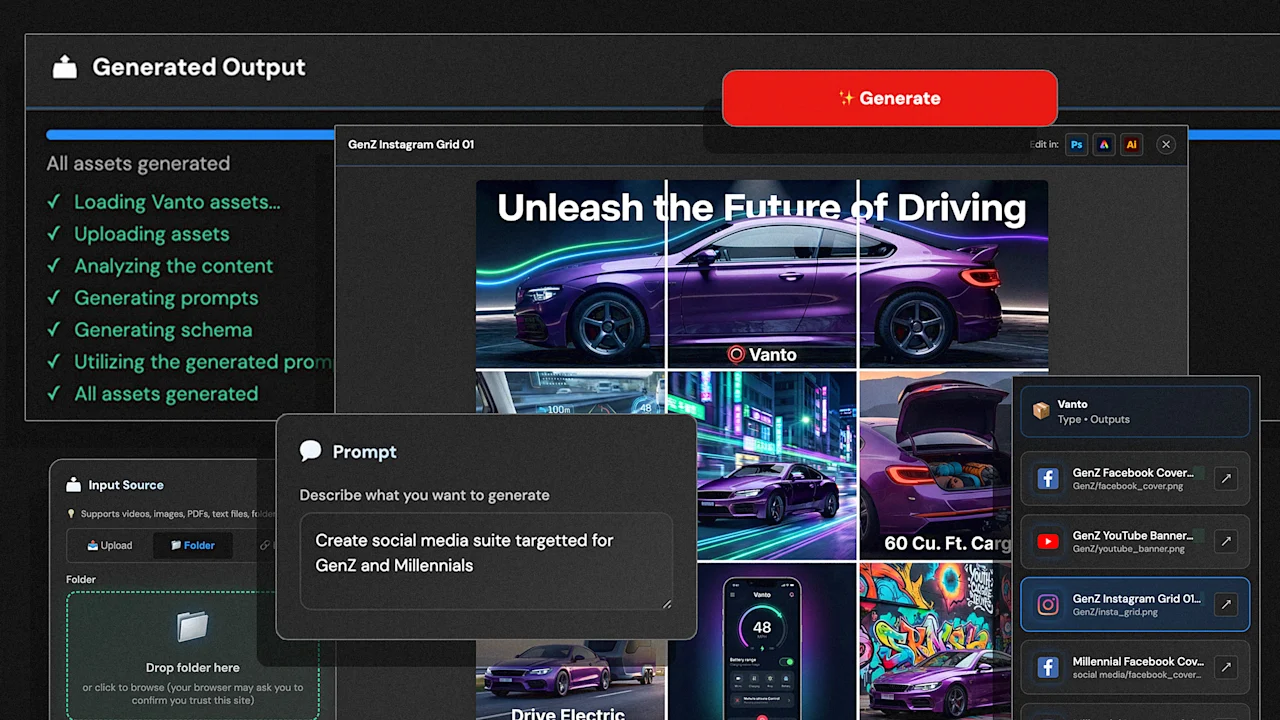
Over recent months, Adobe has been enhancing its platform with AI features designed to make brand design more intuitive and personalized. Their newest tool, Asset Amplify, can create complete websites, social media content, and print designs targeted at specific demographics like Gen Z and millennials. Revealed as part of Adobe's 'Sneaks' program at the 2026 Adobe Summit, this tool allows brands to input their assets and describe their audience to generate tailored marketing campaigns. For example, Asset Amplify produced distinctly different website designs for a fictional electric car brand targeting millennials versus Gen Z, reflecting the differing preferences of those groups. While the results still carry a rough, AI-generated style, they serve as a fast starting point that can be polished in Adobe’s creative apps. This initiative is part of a broader push by Adobe to integrate AI deeply into its workflow and product innovation, reporting a surge in creative ideas fueled by AI capabilities across all their offices worldwide.
Amazon's Nikhil Nanivadekar explains that the rise of AI in advertising is about more than speed; it’s about empowering everyone with creative tools, making the process fairer and accessible to all.


As AI integration accelerates, the boundaries between UX design and engineering are becoming increasingly blurred. Carrie Webster delves into the evolving landscape of UX design, examining the benefits and challenges of this shift. She argues that despite technological advancements, UX designers must continue to advocate for the user experience above all else, maintaining their essential role in shaping intuitive and effective digital products.

Executives from E.l.f., Garage Beer, and Texas Pete explore the challenges and possibilities presented by the renewed popularity of long-form branded content, highlighting key insights for marketers navigating this trend.

Marc Jacobs has introduced a fresh luxury perspective on microdrama content with its latest project, ‘The Scene.’ This social-first initiative, both written by and starring actress Rachel Sennott, reflects a broader shift in the brand’s strategy towards more dynamic and engaging visual storytelling.
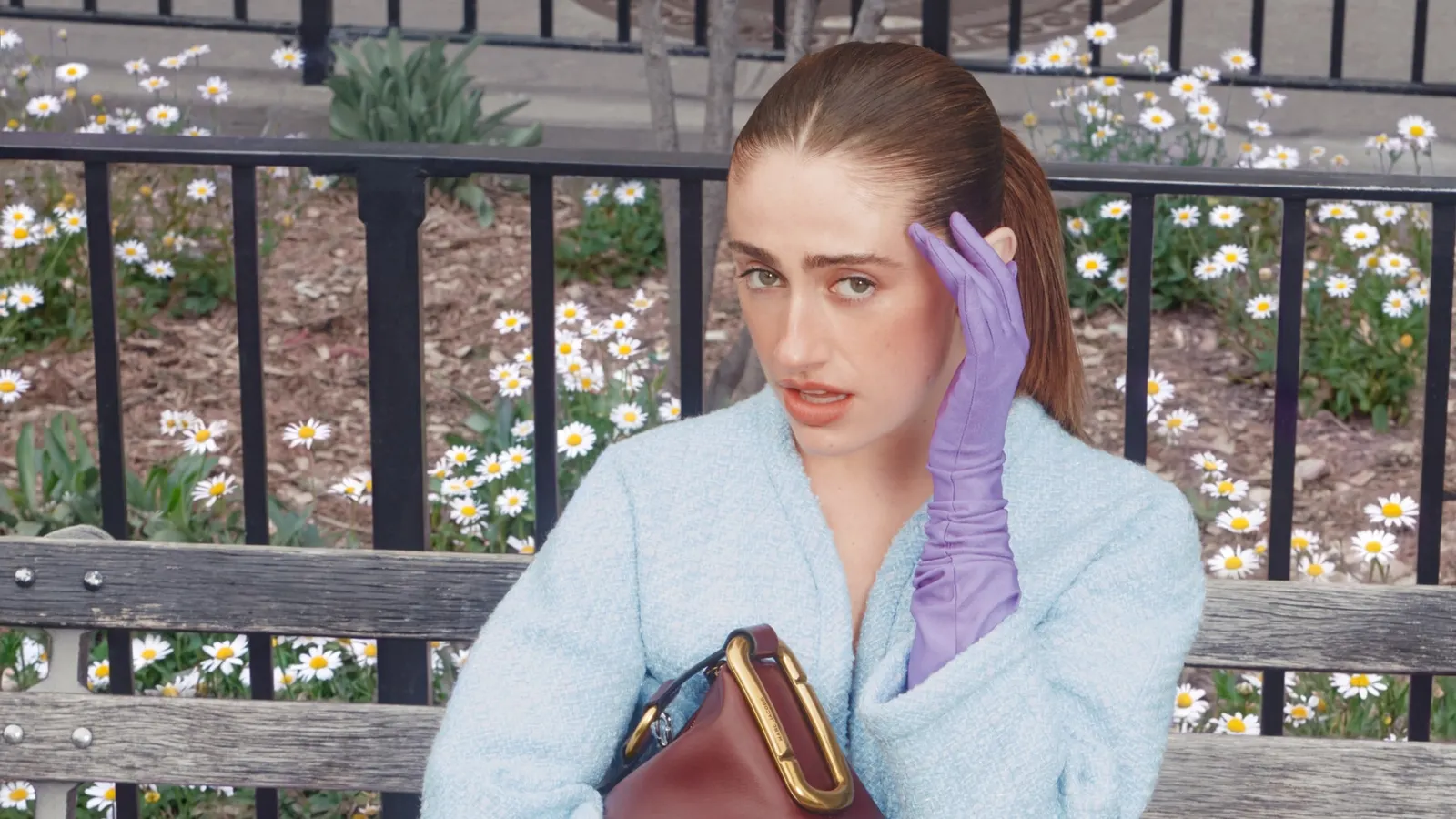

In an era where AI tools are widely accessible and outputs often indistinguishable, it’s the refined sense of taste that remains the key differentiator in marketing success. While technology levels the playing field in execution, a distinct and discerning aesthetic sensibility continues to build lasting competitive advantage.
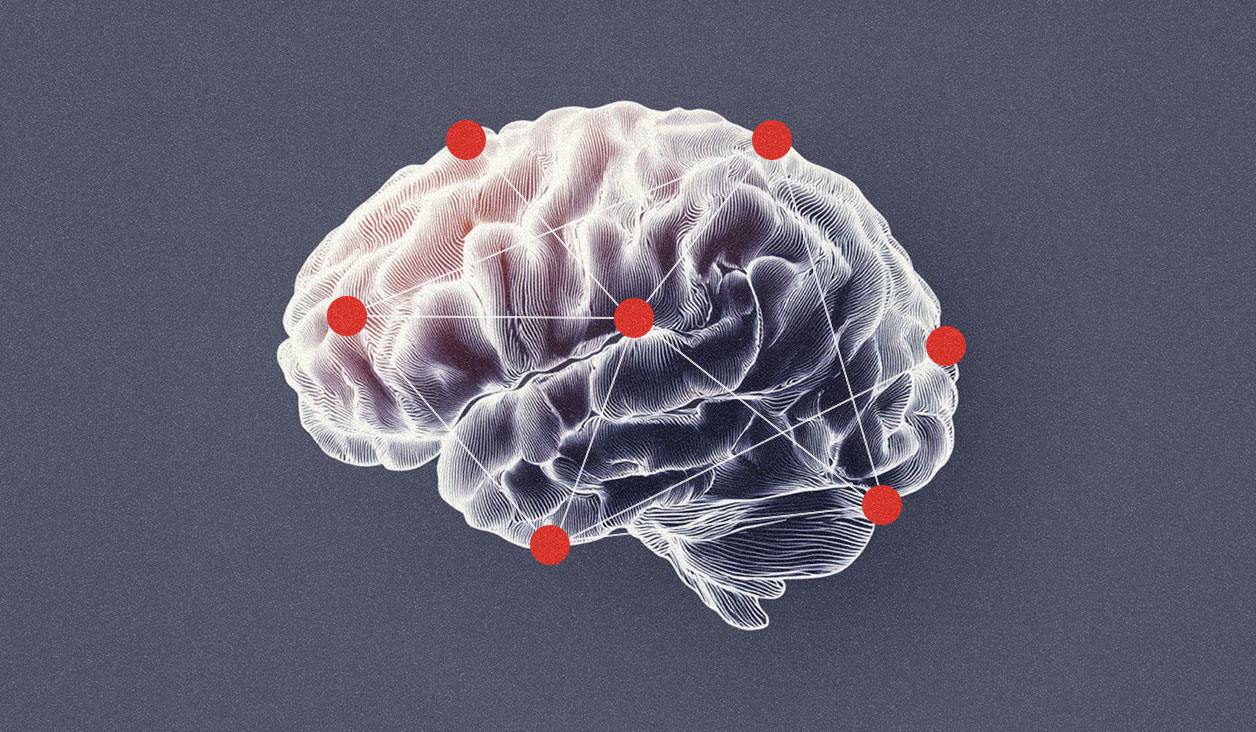

Owen Mears, Founder and CEO, shares his strategy of creating exclusive short films for each perfume launch, building a luxury brand that has maintained a sold-out status for seven consecutive years. His brand now boasts a waitlist exceeding one million eager customers.