NVIDIA has revealed a $2 billion investment in Nebius Group, an Amsterdam-based AI cloud company. Nebius was born from the remnants of Yandex following the conflict triggered by Russia's invasion of Ukraine. This investment not only marks a significant financial boost but also establishes a close technical alliance. Together, they plan to deploy over 5 gigawatts of NVIDIA-powered computational capacity, enhancing AI infrastructure capabilities.

Cleafy, a Milan-based cybersecurity company, has raised €12 million in its Series B funding round to advance its predictive defense technology aimed at preventing bank fraud before it occurs. For over ten years, Cleafy has advocated that banks must shift away from reactive fraud detection and adopt strategies that anticipate and block fraudulent activities, especially as AI-driven fraud becomes more sophisticated.

Bavarian startup Neuramancer AI Solutions GmbH, formerly known as Neuraforge, has successfully raised €1.7 million in a pre-seed funding round aimed at fast-tracking the launch of its deepfake detection technology. The company's primary market focus is on the insurance sector, where it hopes to tackle fraud through advanced AI. Positioned in Europe, Neuramancer views the region's regulatory emphasis on explainable AI as a significant advantage in its competitive strategy.

Forethought, the winner of the 2018 TechCrunch Startup Battlefield, is now part of Zendesk as the company pushes forward in enhancing AI-driven customer service. Back when Forethought emerged victorious, the idea of AI autonomously managing customer service chats was seen as a bold vision ahead of its time. Today, this acquisition marks Zendesk's largest deal in twenty years, reflecting the increasing importance of AI in transforming customer support experiences.
Amsterdam-based startup Wonderful has made significant strides since emerging from stealth eight months ago. With a workforce of 350 and deployments across four continents, the company is rapidly growing its footprint, now impacting 30 countries. Its valuation is nearing $1.7 billion as it tackles the critical challenge faced by many enterprise AI projects: bridging the gap between impressive demos and fully operational production systems.

Launched in 2024, Outpost simplifies international selling by becoming the legally responsible party for cross-border payments, taxes, and compliance, removing the burden from merchants. With Ribbit leading its Series A funding, Outpost addresses the common challenges of failed payments, complex tax requirements, and growing audit risks that have made selling globally difficult and costly.

Samaipata, the pan-European venture capital firm established in Madrid in 2016, has officially launched its third fund with an initial close of €70M. The fund, backed by notable investors including Germany’s KfW, Spain’s SETT, and a select group of family offices, aims to invest across Europe in startups that are innovating with artificial intelligence. With a total target of €110M, the fund underscores Samaipata's commitment to fostering the next generation of AI-native companies across the continent.

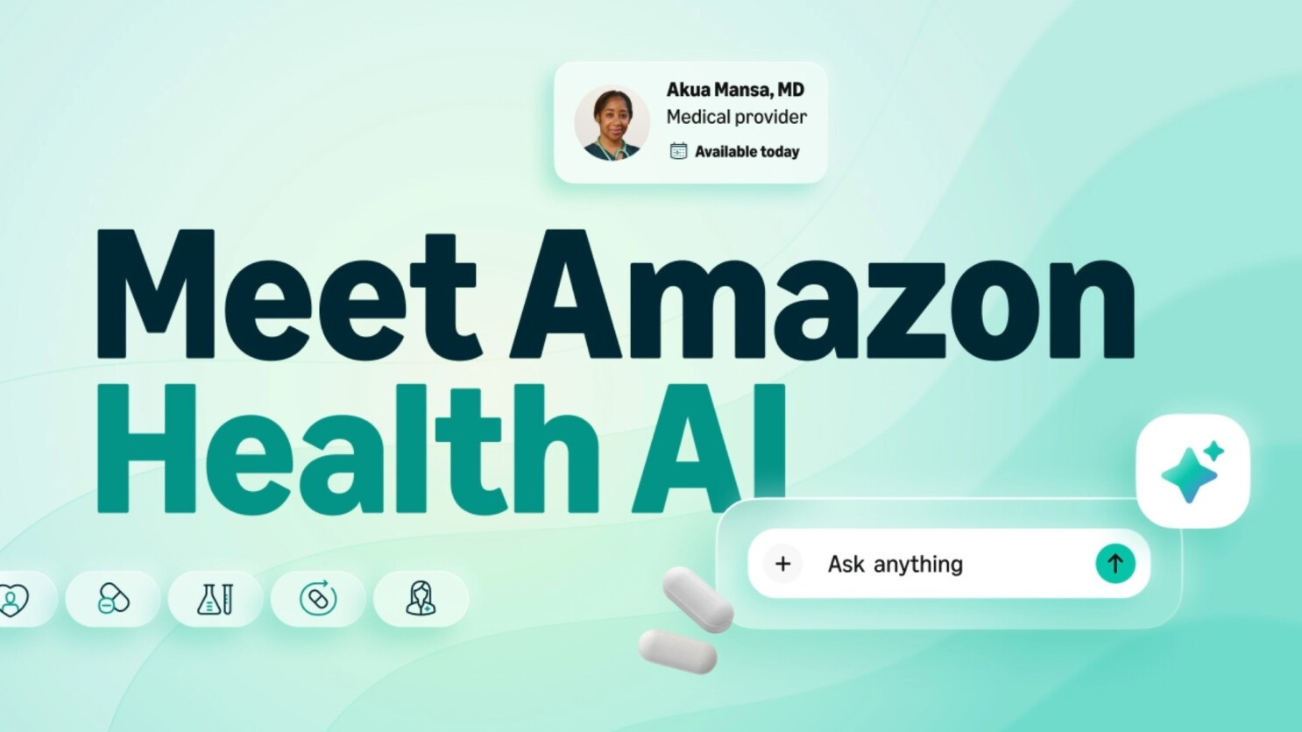
Amazon is now making its Health AI assistant accessible to every customer in the United States, three years after its significant $3.9 billion investment in One Medical. This rollout across Amazon's main website and shopping app aims to compete directly with leaders in healthcare AI like OpenAI's ChatGPT Health and Anthropic's Claude for Healthcare. Previously limited to One Medical users, the AI tool's availability has been broadened to serve a wider audience, signaling Amazon's deeper commitment to transforming healthcare through artificial intelligence.
Alan, the Paris-based insurtech that became the first new independent health insurer in France in 30 years, has secured €100 million in its latest funding round. Backed by prominent investors including Index Ventures, Shopify CEO Tobi Lütke, and World Cup champion Antoine Griezmann, Alan continues to expand rapidly. This fresh capital injection highlights the growing influence of digital innovation in health insurance.

Last year, Meta eliminated 159 million scam advertisements and deactivated 10.9 million accounts associated with criminal networks. Now, the company is stepping up efforts to identify and block scammers before they reach users by rolling out new anti-scam technologies on WhatsApp, Messenger, and Facebook. This initiative enhances both automated detection on these platforms and collaboration with external partners to prevent fraud.