


The cryptocurrency market has lost more than $1 trillion in value over the past six weeks due to worries about a potential tech bubble and diminishing hopes for a US interest rate cut next month. Bitcoin prices have dropped to their lowest since April, while the FTSE 100 also declined, influenced by cautionary remarks from Google's CEO about irrational exuberance in the AI sector. According to CoinGecko data tracking over 18,500 cryptocurrencies, the market has shrunk by 25% since early October.

A lawsuit regarding automated shopping highlights a broader conflict over who will dominate the future of AI, focusing on the implications when autonomous agents act independently on our behalf. This episode of TechScape, hosted by Blake Montgomery, explores this critical topic alongside recent developments in AI's impact on elections, climate change, and technological advancements, including links to related articles about AI influence and innovations.

While AI is commonly criticized for consuming huge amounts of electricity to generate low-value content, some experts at a major UN climate summit suggest a different perspective. They propose that AI has potential not only to avoid increasing greenhouse gas emissions but also to be harnessed as a tool to address the climate crisis. This debate highlights the dual role AI technology could play in either worsening or helping solve environmental challenges.
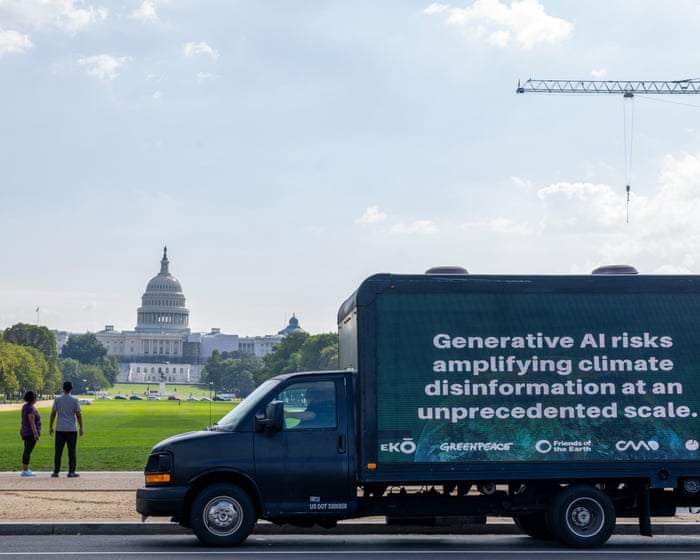
Dario Amodei, CEO of AI startup Anthropic, warns that artificial intelligence will surpass human intelligence in most aspects. He emphasizes the importance of AI companies being transparent about the risks their products carry, cautioning that failing to do so may lead to mistakes akin to those made by the tobacco and opioid industries. Amodei urges industry peers to openly acknowledge and communicate these risks as AI technology advances.

AI-generated campaign videos, whether labeled or unlabeled, are becoming a significant part of election strategies in the US. The recent New York City mayoral election highlighted this trend where Andrew Cuomo shared deepfake videos of his opponent Zohran Mamdani, raising issues such as accusations of racism. This emerging practice is expected to influence future electoral campaigns significantly.

Communities in some of the world's driest regions are demanding transparency from secretive governments as they negotiate billions in foreign investments for massive AI data centers. These facilities, critical for powering the AI boom, are enormous in financial scale and scope, making resistance to their construction feel like trying to stop an unstoppable force.


During a recent doctor’s visit, Pamela, a senior woman with chronic health issues, experienced the impact of an AI scribe used in clinics. The AI transcribed her visit in real time, highlighted keywords, suggested diagnoses, and provided billing codes. The doctor focused more on the computer screen than on Pamela's ongoing explanation of her symptoms. This scenario highlights growing concern about reliance on artificial intelligence in American healthcare and its implications for patient care and societal trust.
UNESCO has introduced a global ethical framework addressing the rapidly evolving field of neurotechnology, characterized by advances in AI and widespread consumer neurotech devices. This initiative is part of an international effort to regulate technologies that interpret brain and nervous system data, aiming to bring order to what has been described as a 'wild west' sector.

The rapid spread of artificial intelligence has brought new challenges, including online harassment targeting women. Gaatha Sarvaiya, a young law graduate from Mumbai, is cautious about sharing her photos online due to the rising threat of AI-generated deepfake images that can distort and misuse her pictures in harmful ways.

For parents who have experienced the tragedy of premature infant loss, the AquaWomb represents both hope and a difficult decision. Beth Schafer, anticipating the birth of her son at just 23 weeks gestation, faced the precarious reality of viability where medicine can only offer a slim chance to keep such fragile babies alive.