Moltbook is an innovative social media platform designed exclusively for AI agents—bots created by humans—to engage with each other. It resembles Reddit, featuring various topic-based subreddits and community voting mechanisms. As of early February, Moltbook has attracted over 1.5 million AI agents, with human users permitted only to observe this digital ecosystem where AI bots post and interact independently.
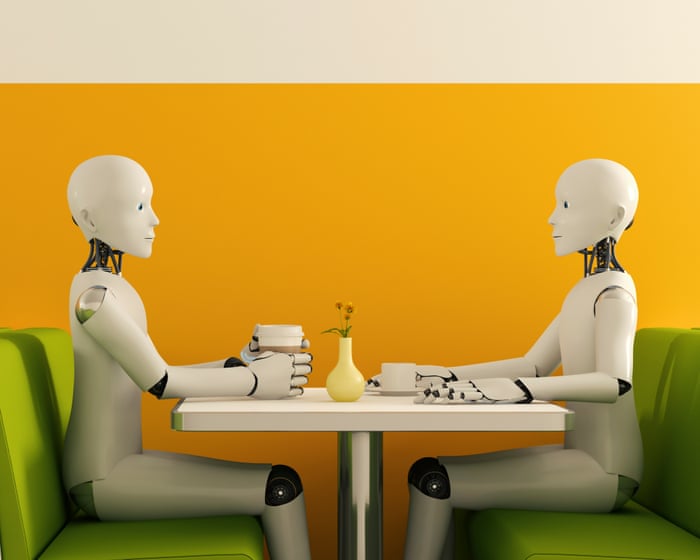
OpenClaw, formerly Moltbot and Clawdbot, is gaining attention as an AI personal assistant that can manage your emails, trade stocks, and even send personal messages on your behalf with minimal input. Operating via messaging platforms like WhatsApp and Telegram, it brands itself as "the AI that actually does things," reflecting its hands-on utility. Despite its innovative approach, experts caution about potential risks this powerful automation could pose.

Wearable technology, long popular for tracking fitness and health metrics, is now turning its attention to menopausal women—a market historically overlooked. From smart wristbands to sleep-monitoring rings, these devices aim to provide data-driven support for women navigating menopause, reflecting a growing acceptance and openness around the subject.

Just over a week ago, TikTok transitioned to American ownership after a major deal saw its Chinese parent company, ByteDance, sell the app to US investors including Oracle. Despite its previous surge to over a billion users and global influence, TikTok’s fresh start in the US has been rocky, marked by a significant outage and controversies over alleged censorship. The app now faces scrutiny from the California governor and growing competition in the social media landscape.

A wave of lawsuits from parents, teens, and school districts allege that major social media platforms deliberately design their products to be addictive and damaging to young users’ mental health. For the first time, Meta, Snap, TikTok, and YouTube will face jury trials addressing these serious accusations. The initial trial is underway in Los Angeles, where jury selection began recently. High-profile testimonies, including that of Meta CEO Mark Zuckerberg, are expected, with expert witnesses debating the science behind social media addiction.

South Korea has introduced what it calls the most extensive AI regulations in the world, aiming to set a precedent for other nations. However, these new laws have sparked debate among local tech startups, who argue they are overly restrictive, while civil society groups feel they don't go far enough. The legislation requires companies to label AI-generated content with invisible digital watermarks for clearly artificial creations like cartoons, and visible labels for realistic deepfakes. For "high-impact AI" systems—such as those used in medical diagnoses, hiring, and loan approvals—operators must perform risk assessments and document decision-making processes. If a human makes the final call, the AI may be exempt. Extremely powerful AI models will need safety reports, but the bar is set so high that no current models worldwide meet the criteria.

Technological advances have led to a life where decisions are often outsourced and genuine connections are replaced by artificial interactions. Silicon Valley’s innovations risk isolating us from the natural world and each other. Yet, there remains hope—and the path forward requires collective action. Reflecting on personal experiences of immersing in nature's calm, like picking berries by a peaceful creek, reminds us of what’s at stake and what we must strive to preserve.

Investment minister Jason Stockwood has indicated that the UK government is seriously exploring universal basic income (UBI) as a safeguard for workers facing job losses due to advances in artificial intelligence. He described the societal shifts from AI as 'bumpy' and suggested that some form of financial support for those who lose their jobs abruptly may be necessary.
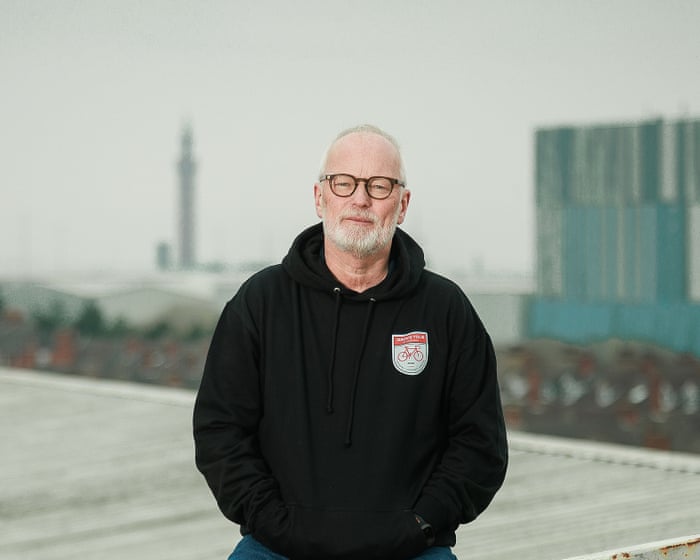
The AI Doc: Or How I Became an Apocaloptimist, co-directed by Daniel Roher and Charlie Tyrell, offers a personal and insightful look into the complex world of artificial intelligence. Featuring perspectives from AI leaders like OpenAI's CEO Sam Altman, the film captures the spectrum of opinions on AI's future—from hopeful innovation to alarming threat. The documentary intertwines Roher's own creative anxieties and observations as AI rapidly transforms industries, especially film-making, prompting important questions about the impact and ethics of this fast-evolving technology.

Amazon has revealed plans to reduce its workforce by 16,000 positions worldwide as part of an effort to streamline its business. This announcement follows an earlier message sent in error that implied affected employees in the US, Canada, and Costa Rica had already been notified. This marks the company's second significant round of layoffs within a few months, following the previous cut of 14,000 jobs. Amazon currently employs approximately 1.5 million people globally.