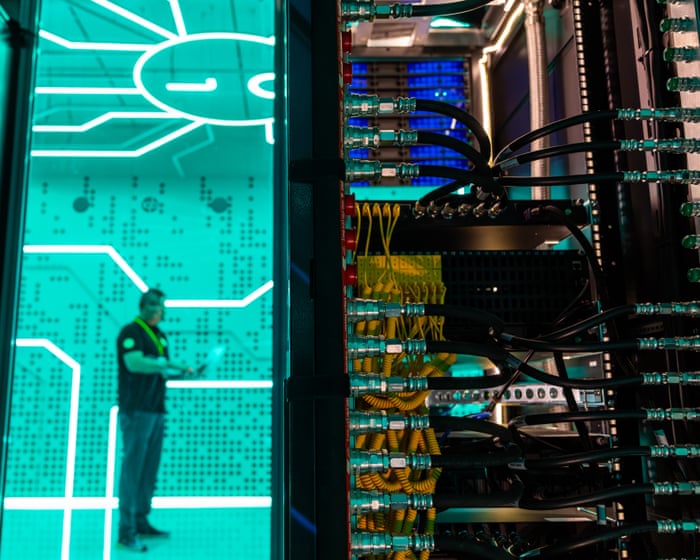
Ofgem reports that around 140 planned datacentre projects, fueled by artificial intelligence technology, might demand up to 50 gigawatts of electricity, surpassing the UK's current peak consumption by 5GW. This surge highlights significant challenges for the national grid as the growth in AI applications drives energy requirements beyond existing capacities.
In 2026, the workplace is gripped by uncertainty. The quiet quitting and Great Resignation trends have faded, overshadowed by growing concerns over economic hardships, global instability, and the rising influence of artificial intelligence on jobs. Experts believe these fears could ignite a renewed wave of worker organization and collective power.
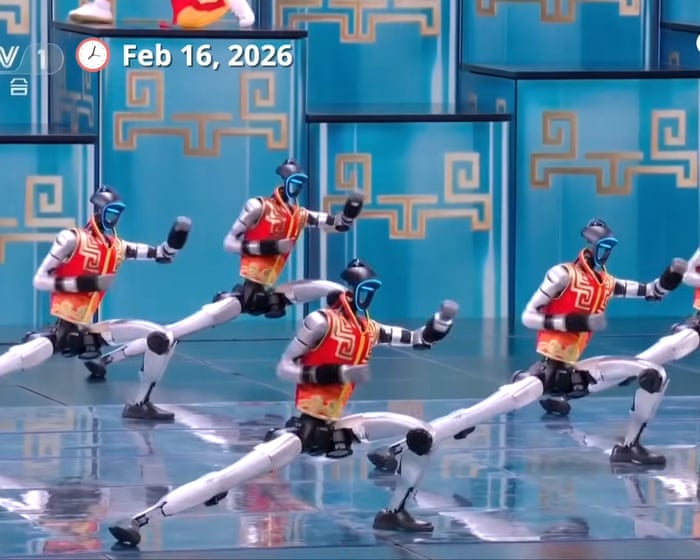
At China's annual Spring Festival Gala, humanoid robots captivated audiences with a stunning martial arts and dance performance. The robots executed backflips, lunges, spins, and jumps flawlessly, showcasing impressive agility and coordination. This remarkable display has raised questions about the expanding capabilities of robots beyond entertainment.
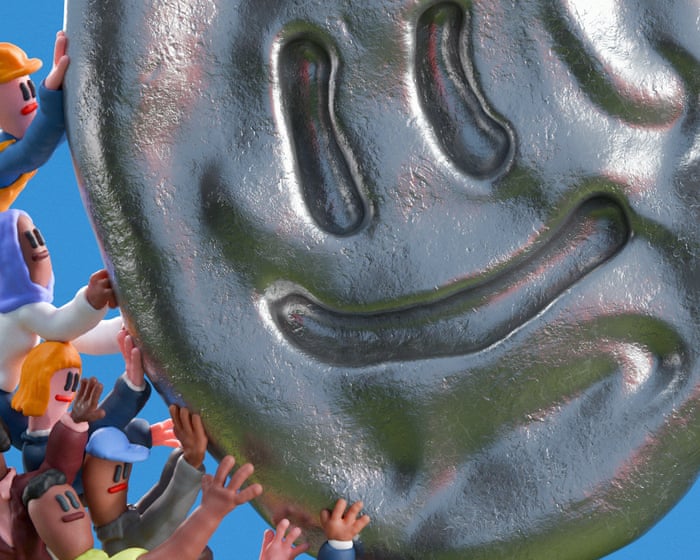
San Francisco's AI startups are demanding relentless work hours from their employees, signaling a trend that may soon affect other industries. Stories abound of founders and workers grinding through 12-hour days, six days a week, sacrificing weekends and social lives. Some even adapt to the long hours by getting comfortable at the office, such as taking off their shoes. This intense culture highlights a growing anxiety within the AI sector, reflecting a broader warning about work-life balance in fast-paced, high-pressure environments.

A recent report highlights concerns that the tech industry is using misleading tactics by mixing traditional AI and generative AI to suggest that these technologies can help solve the climate crisis. The analysis of 154 statements reveals that while many claim AI can mitigate climate breakdown, they often refer to machine learning rather than energy-intensive tools like chatbots and image generators that drive high emissions through extensive datacenter use.

ByteDance, the Chinese firm behind TikTok, plans to restrict its AI-powered video generator, Seedance 2.0, after legal threats from Disney and concerns from the entertainment industry. The tool, which creates realistic clips of famous actors and characters from simple text prompts, has sparked worries in Hollywood about potential misuse. Seedance 2.0 rapidly gained attention last week with viral videos, including a dramatic fight scene featuring Tom Cruise and Brad Pitt.

Exclusive report reveals that Google omits critical safety warnings when presenting AI-generated medical advice to users. Google's AI Overviews, which provide summaries above search results for sensitive queries like health, reportedly encourage users to seek professional medical advice. However, the company downplays the importance of these disclaimers, potentially exposing users to harm. Google states its intention is to alert users when expert consultation is necessary but the execution falls short of clearly conveying this message.
Exclusive: In a 2025 briefing to Wes Streeting, officials expressed concerns that Palantir's association with US ICE operations and other controversial clients could obstruct the rollout of a vital £330m NHS AI data platform. The technology firm, chosen in 2023 to develop an AI-enabled system for integrating NHS health data, faces scrutiny due to its reputation linked to surveillance and military work, sparking debates over the suitability of the contract.

Anthropic, the American AI company known for its chatbot Claude, has successfully raised $30 billion in its latest funding round, boosting its valuation to $380 billion. This marks a significant increase from its previous valuation of $183 billion in September, driven by advancements in its chatbot technology. The company reports that its annualized revenue has surged tenfold each year for the last three years, now reaching $14 billion.

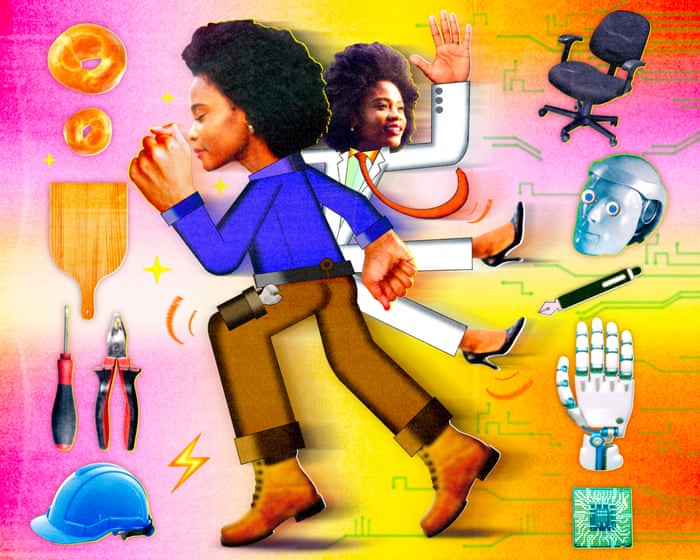
As AI disrupts the professional job market, many white-collar workers are pivoting towards traditional trades. Jacqueline Bowman, a California-based writer, shares her journey from a promising journalism career to navigating AI-driven layoffs in 2024. Once thriving on content marketing and freelance writing, she now faces reduced fees and longer hours as an editor revising AI-generated content. This shift raises important questions about the cost of adapting to AI — from accepting lower pay to abandoning lifelong vocations.