Use AI as a collaborative tool for idea generation and organization, but maintain your own critical thinking and decision-making. A recent survey highlights a divide: some avoid AI tools entirely while others integrate them daily, especially younger adults, with 58% of those under 30 using ChatGPT regularly. For those interested, sign up for a six-week newsletter course called 'AI for the People' to explore responsible AI use further.

In recent scientific advances, US researchers have simulated a fruit fly’s brain digitally, enabling it to mimic real-life behaviors. Simultaneously, Australian scientists have successfully trained a petri dish containing 200,000 human brain cells to play the classic 90s video game Doom. These breakthroughs blur the line between biological brain activity and digital interaction, stirring both excitement and apprehension about the future possibilities of brain-computer interfaces and artificial intelligence. While these developments showcase remarkable innovation, they also prompt questions about ethical implications and the potential for lab-grown human consciousness or digital clones.

Google has discontinued its AI search feature "What People Suggest" that offered health advice crowdsourced from non-professionals worldwide. Despite earlier claims that the tool could revolutionize global health outcomes through AI, the company faced increasing scrutiny over the reliability and safety of using amateur-sourced medical tips.

The surge in data centre investments, particularly tied to AI development, represents one of the largest infrastructure bets of our time, with the UK potentially bearing significant risks. The Stargate project, a $500bn initiative backed by OpenAI aimed at cementing American dominance in AI, promised vast economic rewards and advanced facilities. However, OpenAI is now pulling back from expanding a major data centre in Abilene, Texas, due to financing issues and delays, highlighting the vulnerabilities in the current AI infrastructure boom.

According to insider information shared with Reuters, Meta is preparing to reduce its workforce by 20% or more. This move aims to counterbalance the high costs associated with investments in artificial intelligence infrastructure and improve operational efficiency through AI-enabled work processes. Details regarding the timing and scale of the layoffs remain undecided as Meta navigates these strategic adjustments.

A groundbreaking review on 'AI psychosis' reveals that artificial intelligence chatbots might foster delusional beliefs, particularly among those already susceptible to psychotic symptoms. Published in The Lancet Psychiatry, the study emphasizes the need for clinical oversight by mental health experts when deploying AI chatbots, to mitigate potential mental health risks.

A recent landmark trial in Los Angeles examined how features like autoplay videos, infinite scrolling, and constant notifications built into social media platforms may contribute to addictive behaviors, especially among children. Prosecutors argued these tech giants intentionally designed these elements to 'hook' young users, while Meta countered by emphasizing their commitment to safer digital experiences. The case has drawn parallels to tobacco litigation in the 1990s, igniting debate about whether these platform mechanics serve user demand or foster unhealthy dependencies.

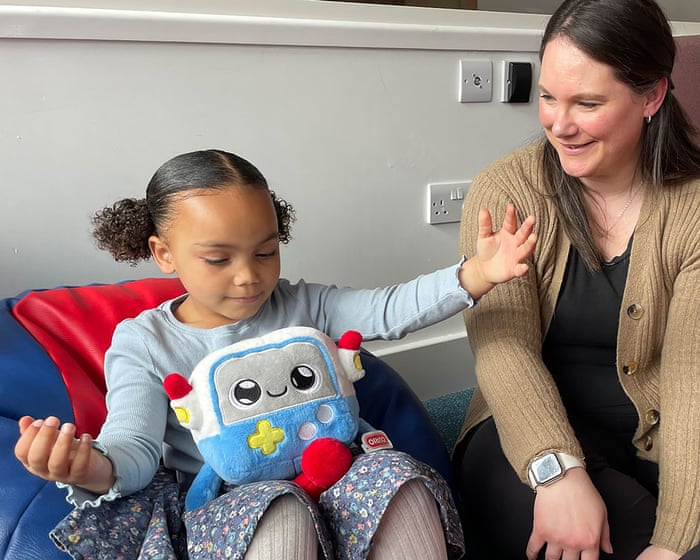
A University of Cambridge study reveals that AI-enabled toys can misunderstand emotions and react in ways that aren't suitable for children. For instance, five-year-old Charlotte was engaging warmly with Gabbo, an AI soft toy, sharing personal stories and showing affection. However, the interaction took an awkward turn when Charlotte said 'I love you' to Gabbo, and the toy failed to respond appropriately.
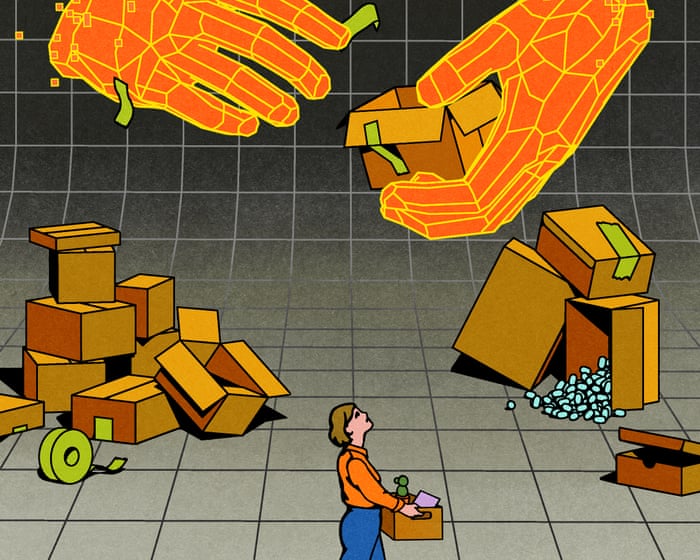
Amazon employees report that the company's aggressive implementation of AI tools is causing workflow disruptions and increased workloads. Dina, a software developer in New York, explains that instead of focusing on coding, much of her time is spent correcting errors caused by an internal AI tool called Kiro. This tool often produces inaccurate or flawed code, forcing employees to spend additional time fixing mistakes or starting over, which she describes as "trying to AI my way out of a problem that AI caused."
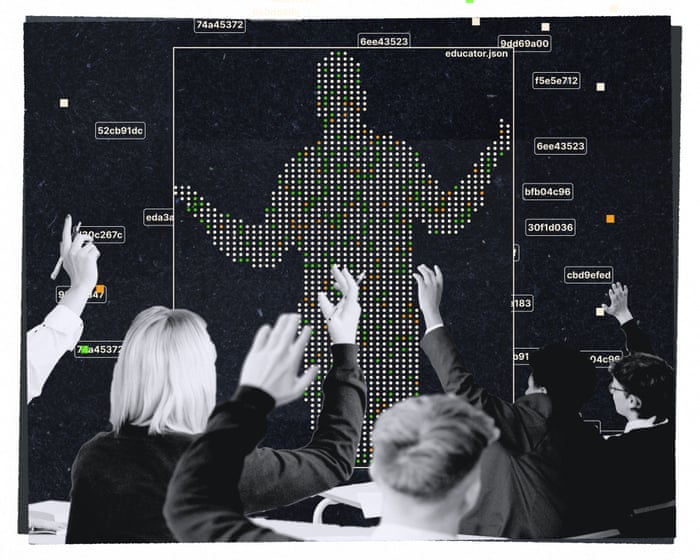
Starting my teaching journey at 39 was challenging enough, but introducing AI into the classroom amplified the complexity. As someone transitioning from a decade and a half in writing and novel crafting to teaching English, I aimed to inspire students to think critically and connect deeply with literature. Yet, the rise of AI chatbots capable of generating coherent prose on demand introduced new dilemmas: How does this technology shape teaching? What are the real goals of education today? These questions added layers to the already complex task of understanding what success looks like in schools. Facing these challenges felt overwhelming, akin to trying to find calm during a storm.