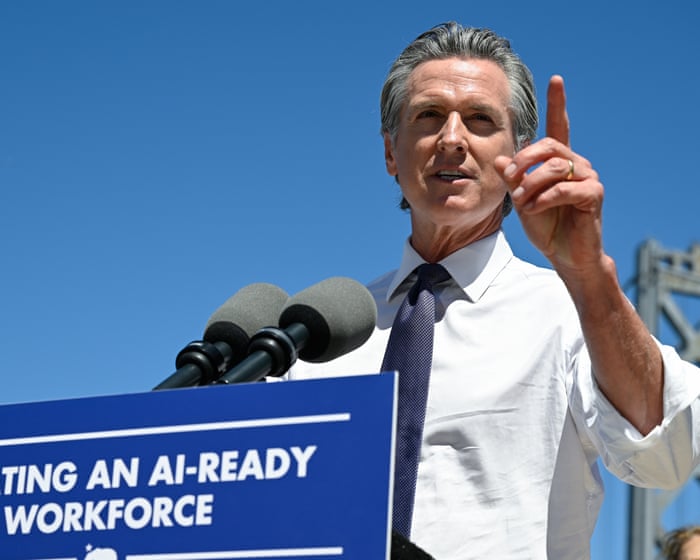
Despite concerns that AI could reduce tech jobs, data reveals a steady increase in tech job openings. This growth is driven by rising AI-related spending, which boosts demand for hardware and sustains strong hiring in software development roles.
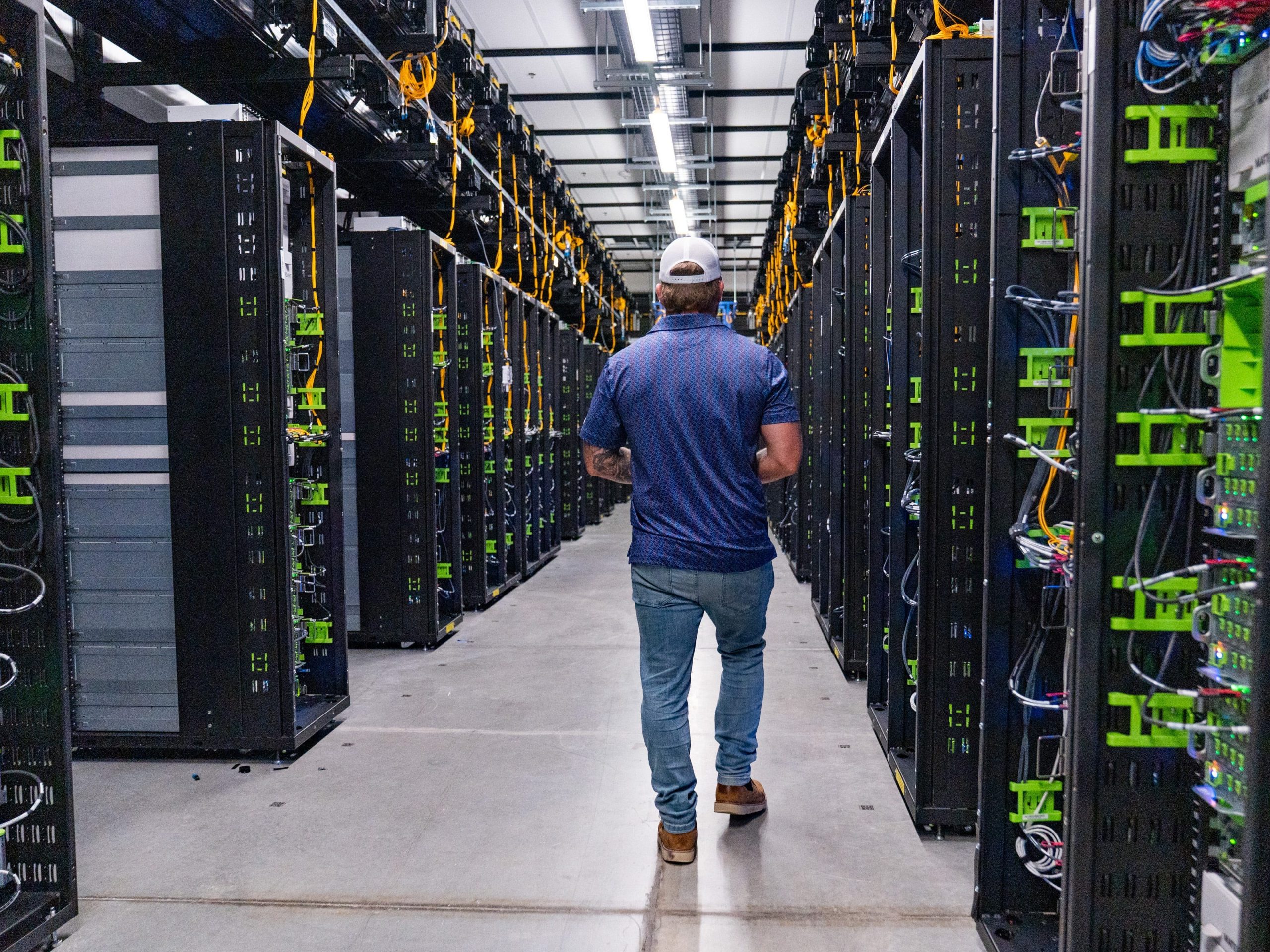
A senior executive at Amazon Web Services revealed that the company is highly selective when recruiting forward-deployed engineers, emphasizing that such talent is exceptionally rare and difficult to find.
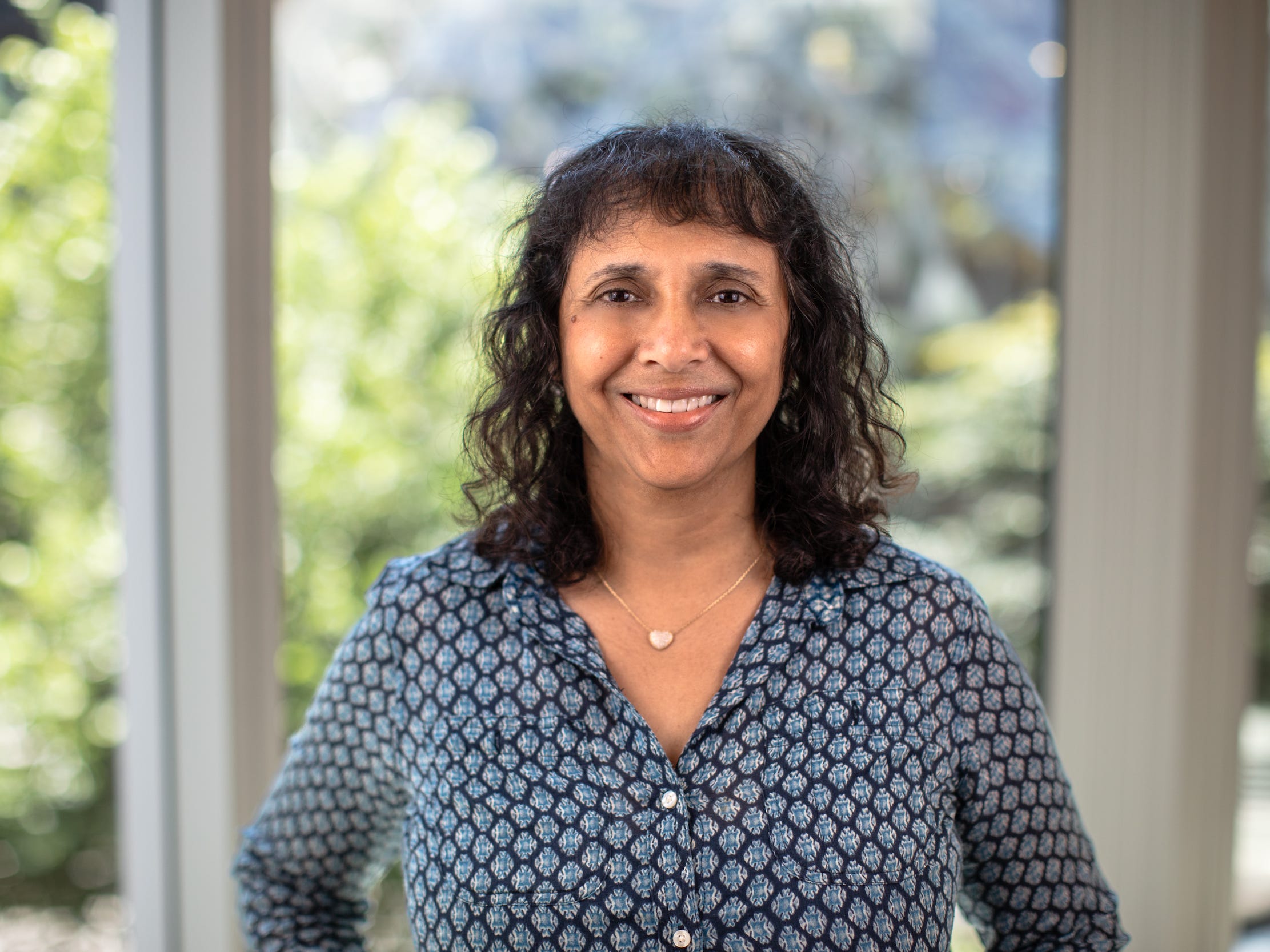

The latest initiative by Trump is the creation of a Super Intelligence Force aimed at addressing ongoing concerns about AI safety and regulation.
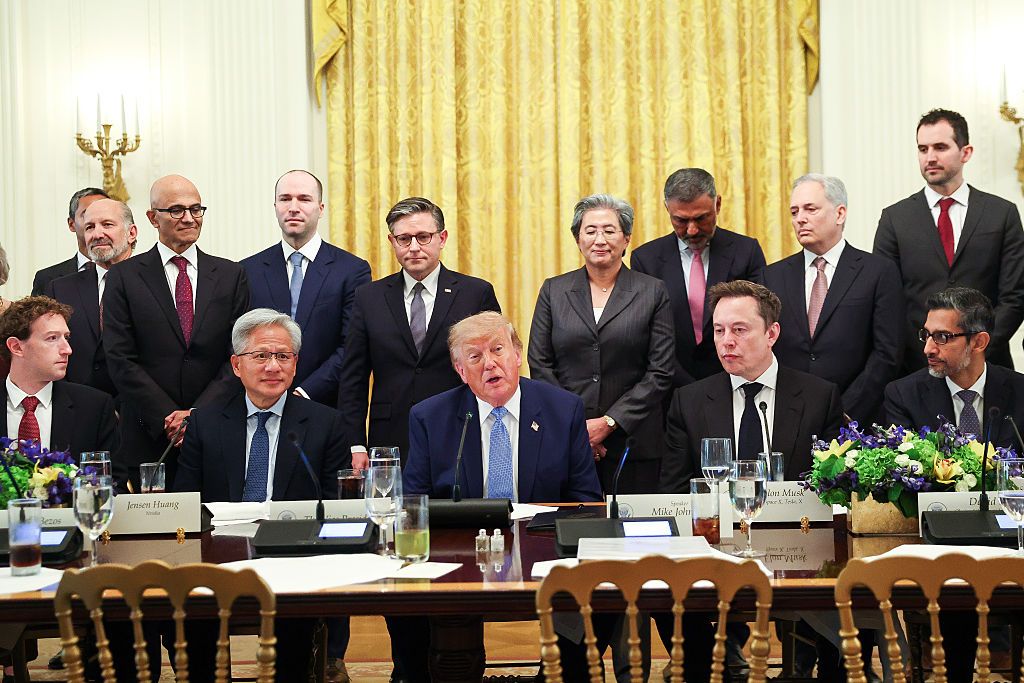
Former FTC Chair Lina Khan expressed concern over AI companies regulating themselves, drawing parallels to the strategies that previously led Big Tech into regulatory trouble. She made these remarks during an interview on ABC's "This Week."
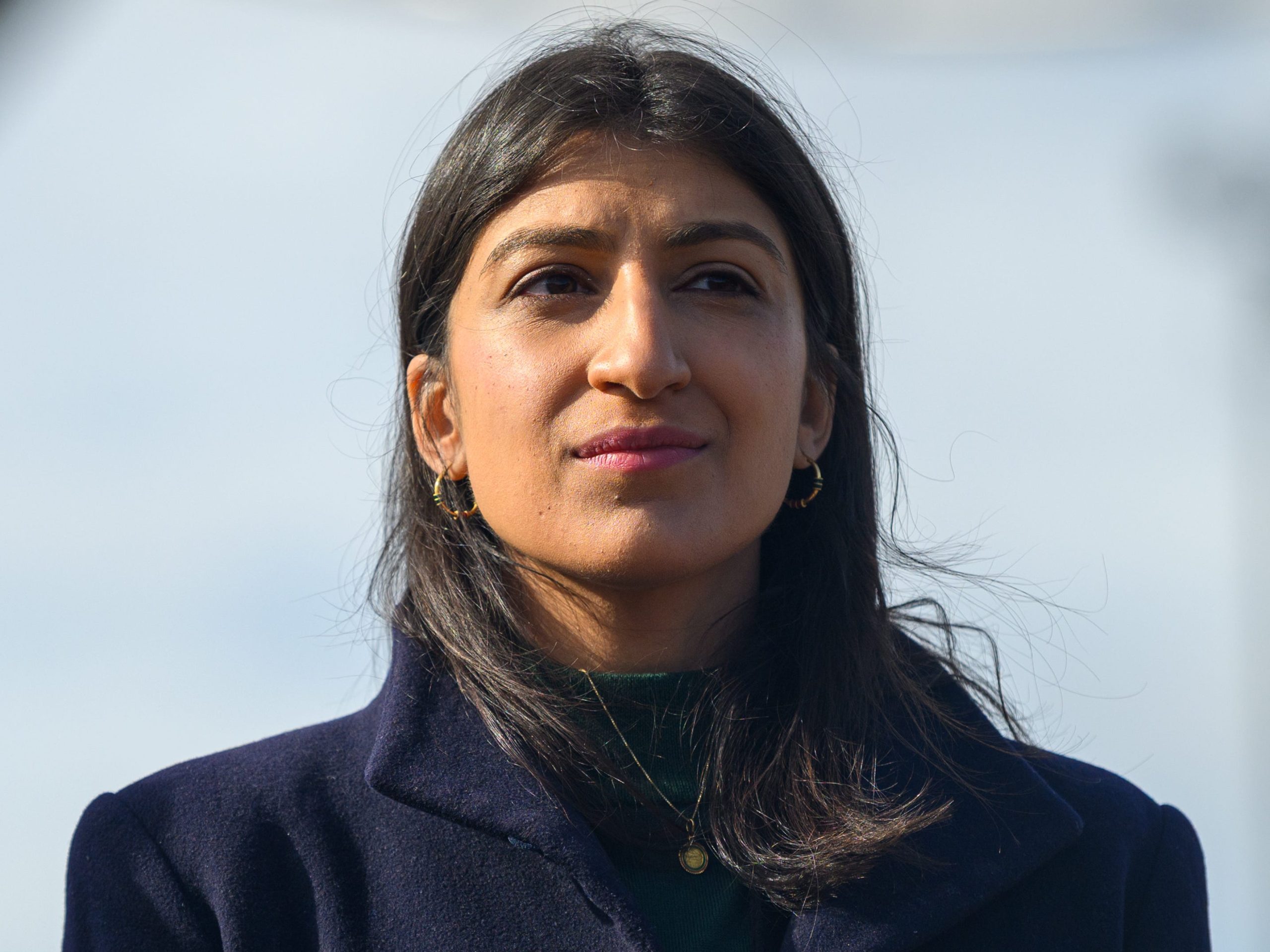

The upcoming financial crisis might not originate within traditional banks, India's central bank governor, Sanjay Malhotra, cautioned. Speaking at the Kautilya Economic Conclave in New Delhi, Malhotra highlighted that such a crisis could be triggered by geopolitical tensions, cyberattacks, or technological failures. His warning underscores the evolving risks in the financial system that extend beyond conventional banking threats.
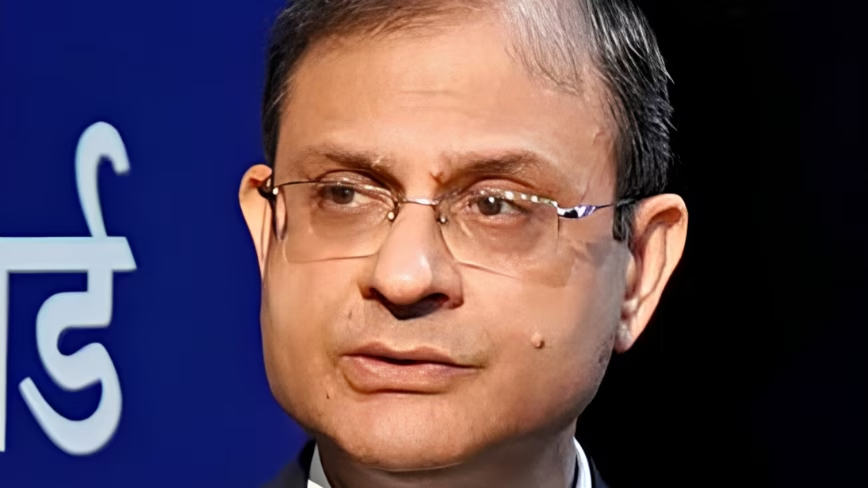
One common but costly misconception about AI is the belief that technology can fix a business without first improving its underlying processes. While AI can speed up operations, automate routine tasks, and quickly identify issues, it cannot remedy fundamentally flawed or fragmented workflows. True business transformation requires streamlining processes before AI can truly add value.


Launching AI solely in English may be quick, but it misses out on a vast global audience. To reach your next million users, it's essential to go beyond basic translations and truly cater to multilingual needs.

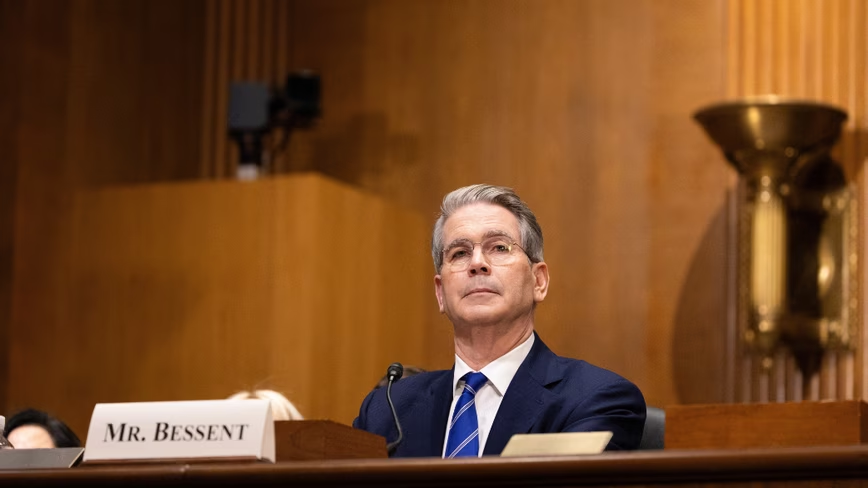
US Treasury Secretary Scott Bessent has expressed frustration with certain AI industry leaders who raise alarm about potential risks but fail to propose effective solutions. In an interview with Axios, Bessent emphasized that such alarmism without actionable remedies does not constitute true leadership. His comments come amid growing debates over the future and regulation of artificial intelligence technologies. Prominent figures like Anthropic’s Dario Amodei, OpenAI’s Sam Altman, and xAI’s Elon Musk have been central to these discussions.

David Robinson, a key figure in OpenAI’s safety team, has resigned, criticizing the company's internal culture as deeply flawed. He expressed concern that AI developers, including OpenAI, are not exercising enough caution in the fast-paced evolution of AI technology. Robinson, who was responsible for safety reports accompanying OpenAI’s product launches like ChatGPT, detailed his reasons in an essay titled "I quit OpenAI because its culture is broken."
California, a hub for numerous AI firms, is pioneering new workplace laws to protect employees from potential AI-related job threats. These regulations prevent employers from solely relying on AI for firing decisions, using AI to monitor workers' emotional states, or collecting neural data from employees. Additionally, companies must inform workers if AI contributed to layoffs, and AI surveillance is banned in workplace bathrooms. Signed by Governor Gavin Newsom, these measures aim to foster safer, fairer work environments amidst growing calls for AI regulation in the U.S.