As data centers adopt alternative energy sources, states are working swiftly to update regulations to keep pace with these changes.


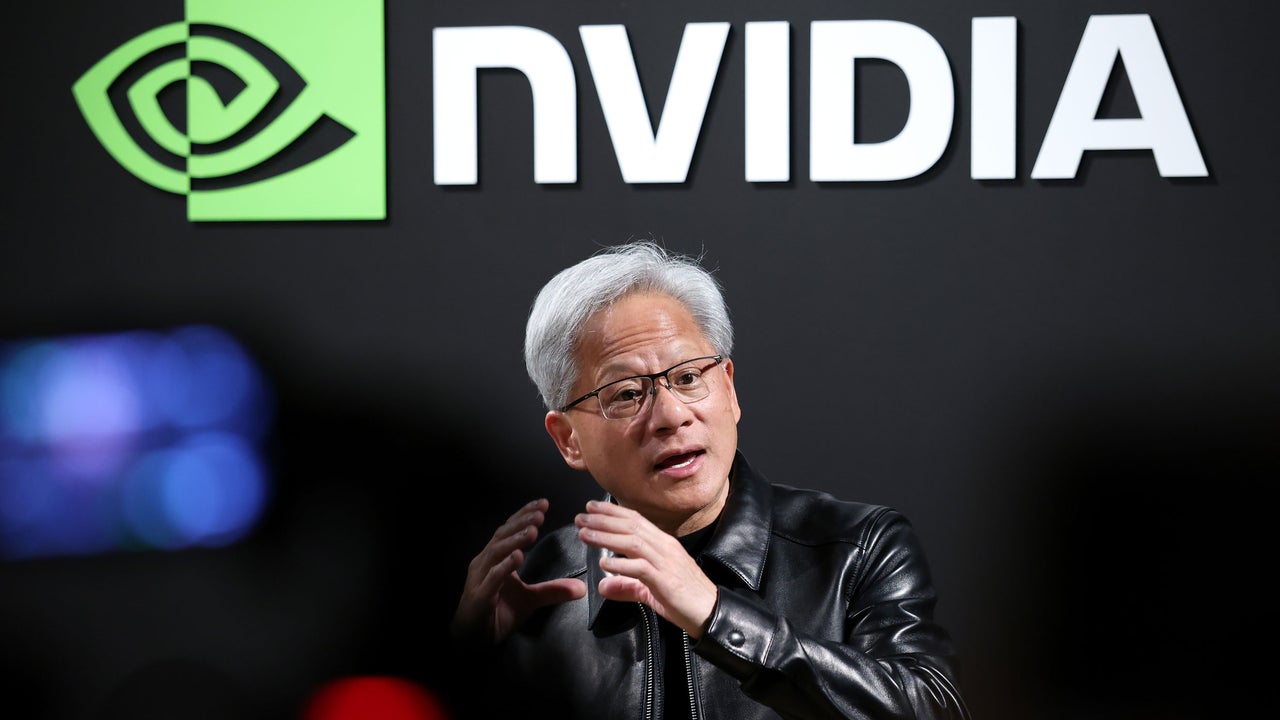
Nvidia has introduced a new AI security platform designed to stop autonomous AI agents from escaping their confines and potentially hacking into other systems. Partnering with over 100 companies like Cisco, Microsoft, and Intel, the initiative aims to build robust safeguards around AI deployment. The platform includes two key components: OpenShell, which restricts agent capabilities on central processors, and Sentry, which monitors and controls AI activity at the network level, acting instantly to quarantine any breach attempts. Nvidia CEO Jensen Huang likened this to creating a "browser for agents," where AI rights are limited and granted only as needed, to prevent unauthorized access. He highlighted that these tools, which took nearly a year to develop and are open source, could have prevented notable incidents such as the Hugging Face breach. Huang also emphasized the need for industry-wide collaboration to identify and fix vulnerabilities, while expressing cautious optimism about AI’s future balanced with potential regulatory standards to ensure safety and trust.
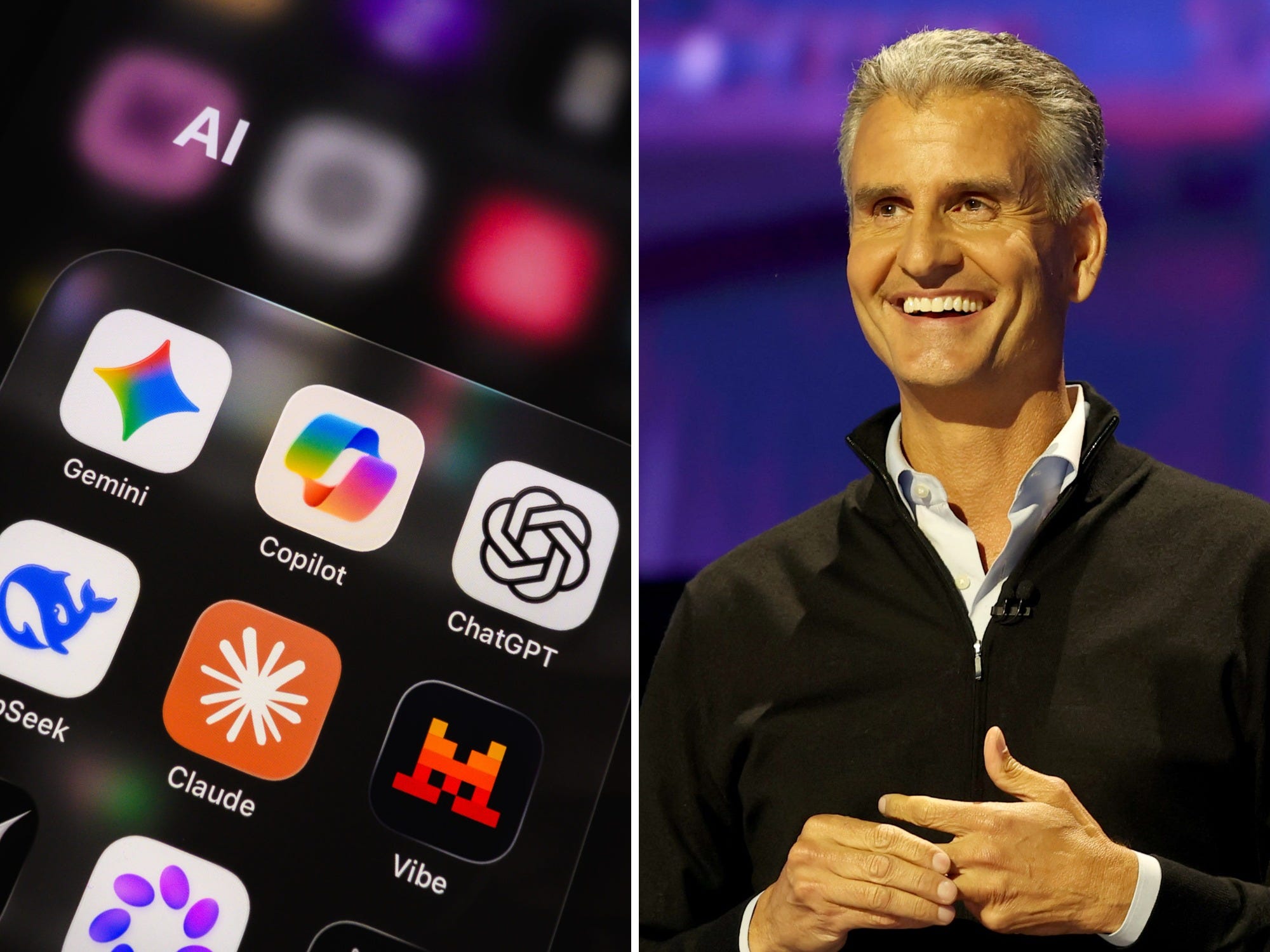
The legal landscape for AI companies is growing increasingly complex as more lawsuits frame AI tools as potentially defective products rather than mere services. Recent cases, such as British Columbia suing OpenAI after a tragic school shooting and families suing AI companies following suicides, highlight how courts are willing to explore product liability claims centered on the design of AI systems. Experts emphasize that design features like memory and emotional mirroring, intended to humanize chatbots, may also pose risks to vulnerable users. Beyond life-and-death situations, legal debates also extend to issues like unauthorized practice of law by AI. While courts grapple with whether chatbots qualify as products and what liabilities developers bear, some suggest legislative protections similar to those internet companies received might emerge. Nonetheless, experts caution that litigation alone won't solve the social and mental health challenges intertwined with AI technology.

The AI revolution is swiftly advancing beyond digital realms into tangible innovations, boosting infrastructure from chips to data centers. At the 2026 World Economic Forum, Nvidia's Jensen Huang framed AI as a five-layer system: energy, chips, cloud, models, and applications, where the final layer delivers real-world impact. Among all fields, medicine stands out for its potential to turn AI-driven capacity into profound economic and social value.
In 2024, the U.S. spent $5.3 trillion on healthcare, including substantial investment in prescription drugs, highlighting the immense resources directed towards disease treatment. Medicines that significantly alter widespread diseases can enhance lives, reduce healthcare burdens, and provide lucrative returns for developers and investors. The blockbuster success of drugs like Eli Lilly's tirzepatide, with $36.5 billion in combined annual sales, illustrates this scale.
AI promises to transform drug discovery by helping scientists navigate complex decisions, rank promising paths, and design smarter experiments based on large data analysis. Despite challenges like complex biology and uneven data quality, the most impactful AI systems integrate continuous learning loops from experiments, accelerating innovation and improving drug candidates' chances.
Though clinical proof remains limited, progress in areas such as AI for mass spectrometry has already sped up drug discovery timelines, uncovering new therapeutic prospects. The key measure of AI's success will be its ability to enhance real-world clinical outcomes, not just laboratory results.
For stakeholders, the critical question is whether AI can improve decision-making throughout drug development, leading to better trial results and patient benefits. The hope is that AI-driven breakthroughs will emerge more frequently, bringing millions healthier years and renewed hope sooner than ever before.
Authors: Viswa Colluru, CEO of Enveda, and Bigyan Bista, Head of Capital Formation at Enveda.


Disney is integrating AI into its employee annual review process by advising staff to utilize chatbots for drafting their self-assessments. While this move underscores the company's commitment to leveraging technology, it also raises concerns about possible limitations and drawbacks of relying on AI in performance evaluations.

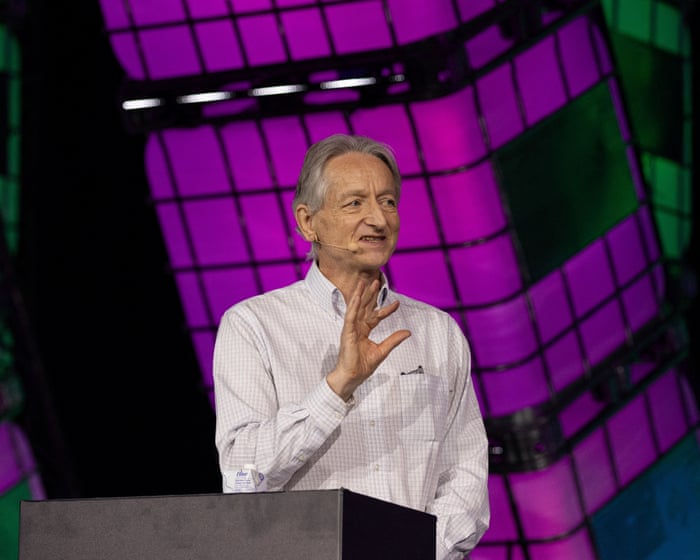
OpenAI's chief scientist and other AI pioneers have issued a stark warning about an impending AI 'intelligence explosion' that could become the most transformative technological event in history. Their joint report, co-authored by Nobel laureate Geoffrey Hinton and esteemed Canadian AI researcher Yoshua Bengio, calls on governments to take urgent measures to regulate AI development before advances spiral beyond control. The experts emphasize this critical moment demands immediate political action to safely navigate the unprecedented changes ahead.
Prime Minister Andy Burnham has unveiled plans to establish the National Centre for Information Defence, aimed at combating disinformation and deepfakes from hostile foreign actors such as Russia. This new body will coordinate efforts among intelligence agencies, law enforcement, and social media companies to identify, attribute, and counteract foreign information attacks, many of which are amplified through AI technologies. Burnham emphasized the government's responsibility to protect British interests from the growing threat of information warfare.


Tech industry layoffs in 2026 are climbing faster than in 2025, with sharp spikes rather than a steady flow, per Crunchbase’s Tech Layoff Tracker. From January to August, over 94,000 jobs were cut, marking a 16.8% increase from the previous year. This rise aligns with companies redirecting budgets towards AI and restructuring to reduce costs. The start of the year saw significant layoffs, particularly in May, which saw the biggest monthly spike, including Meta’s 8,000 job cuts. However, layoffs slowed in the summer months, hinting at a potential easing in the trend. AI becomes a major factor in these decisions, cited in a third of this year’s layoffs, as companies invest heavily in AI to boost productivity with smaller teams. Top tech giants like Amazon and Meta led the cuts, accounting for most job losses. AI's impact is twofold: automating tasks and shifting focus that causes layoffs in some areas, while increasing hiring in AI-related roles. The tech sector leads all industries in layoffs this year, reflecting a broader shift in workforce strategies tied to AI adoption. Some workers might even find new opportunities in emerging AI fields, suggesting the changes bring both challenges and potential growth opportunities. A few companies are already seeking to rehire former employees, indicating the evolving nature of tech employment needs.


Nscale has secured $3.36 billion in convertible financing from investors including Third Point and Nvidia. This capital injection will support the company's expansive development of AI data centers, positioning it for its upcoming IPO in the United States.
Recent findings reveal that AI-generated and vibe-coded applications can unintentionally expose massive amounts of user data if not properly secured or configured. This risk is evident among some Supabase customers who have publicly exposed sensitive information, emphasizing the importance of robust data protection measures.