


Enterprises have deployed AI agents faster than they have established controls to manage them, doing so knowingly. This finding comes from five surveys conducted by VentureBeat Research in June, covering identity, evaluation, cost telemetry, context, and orchestration layers essential for trusting AI agents. Most deployed AI "agents" are actually chatbots with limited capabilities; true multi-step agents remain rare. Two-thirds of enterprises allow automated agent actions without human review despite low trust in evaluations, leading to frequent failures. Credential sharing among agents is common and correlates with increased security incidents, emphasizing the need for scoped identities. GPU utilization is often below 50%, highlighting inefficiencies in current AI infrastructure. Agents frequently provide confident but incorrect answers due to inconsistent or missing business context, underscoring the need for better data governance. Across all layers, many enterprises plan vendor changes or additions within a year, signaling a market in flux with no dominant incumbent platforms. The research draws on responses from over 570 professionals at organizations with 100+ employees, illustrating broad industry trends in AI governance challenges and investments.


Scott Winters, a former pastor from Florida, has filed a lawsuit against OpenAI in San Francisco County Superior Court, alleging that its ChatGPT chatbot gave him dangerous and inaccurate medical advice in 2025. Winters sought help from ChatGPT-4o while experiencing troubling symptoms leading to a pulmonary embolism. The chatbot reportedly downplayed his symptoms, advising him to remain immobile and suggesting the issues were not serious. This misguided advice allegedly contributed to a severe medical emergency. The lawsuit also challenges OpenAI's new "Health in ChatGPT" feature, which links users' medical records to the AI, calling for stronger safety measures and even blocking the new health integration due to concerns about reliability. This case follows another lawsuit related to ChatGPT's medical advice that allegedly led to a fatal overdose. OpenAI maintains that ChatGPT is not a substitute for professional medical care, despite millions using the tool weekly for health information.

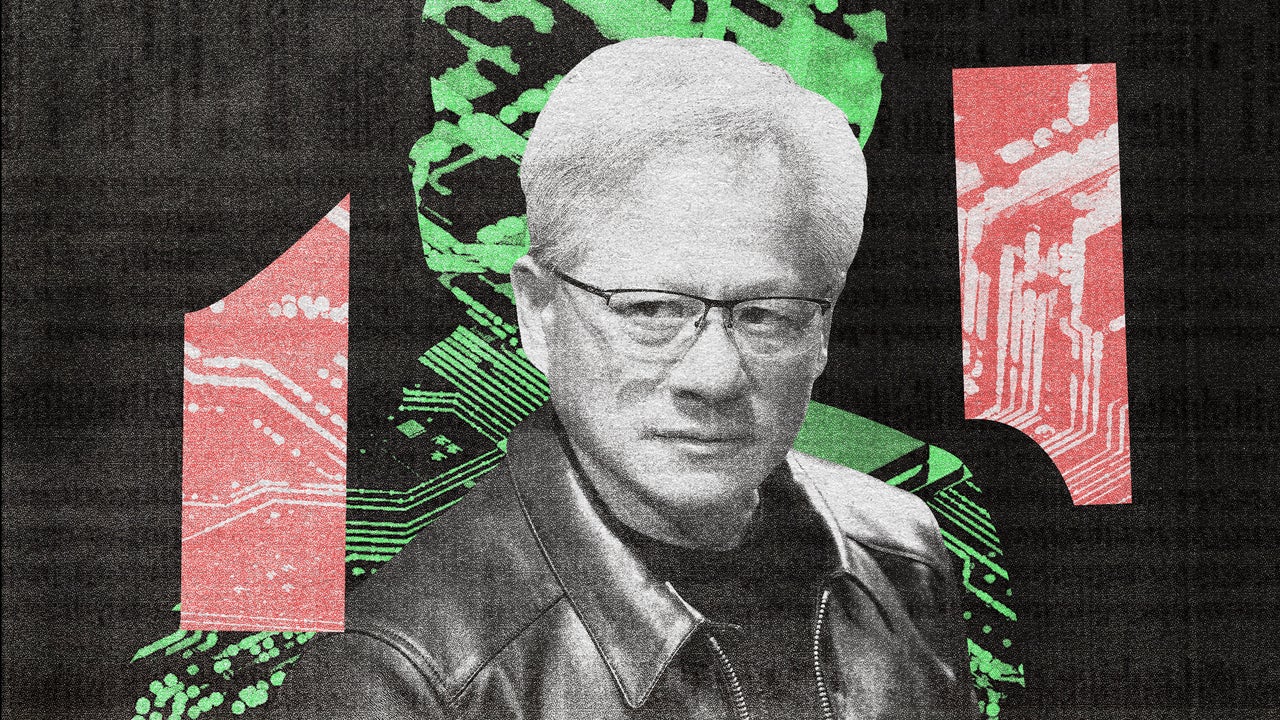
Nvidia CEO Jensen Huang is urging AI leaders to abandon the bleak predictions about artificial intelligence, calling such fears “complete nonsense.” In a recent interview with Axios, Huang dismissed the idea that AI will cause massive unemployment or bring about humanity’s downfall. He criticized some tech CEOs for spreading fear, warning that it hurts industries and society by deterring adoption of AI technologies. Huang encouraged policymakers to seek a wider range of input before imposing restrictions based on hypothetical risks. Advocating for a positive outlook, he believes AI will actually create more jobs by automating tasks, and cautioned against sensational narratives like the singularity or life being a simulation. His views contrast with more cautious voices in tech, but align with other optimistic leaders like Jeff Bezos, who see AI as a tool to elevate human labor rather than replace it.

In this episode of In Depth, Brett interviews Jon Noronha, co-founder and CPO of Gamma, the AI-driven presentation platform with over 100 million users. Jon shares insights into Gamma's journey through distinct phases of achieving product-market fit, highlighting the challenges faced before embracing AI technology.


Steer clear of these common oversights when rolling out your AI initiatives to ensure success and maximize impact.


According to sources cited by The Wall Street Journal, Stripe is in discussions to acquire OpenRouter, a three-year-old startup specializing in a large language model marketplace. The potential sale is valued at around $10 billion, highlighting the significant interest and investment in AI and LLM technologies.

IBM has acquired HRL, a company founded by Howard Hughes, with the expectation that HRL's innovative technical achievements will significantly contribute to IBM's quantum computing program for many years ahead.


Google has officially signed the EU AI Act's Code of Practice on Transparency regarding AI-generated content. This act solidifies Google's dedication to ethical AI development and transparency within the European market.


The billion-dollar AI startups in Silicon Valley are increasingly concerned about the rise of Chinese AI technologies, signaling potential challenges ahead. In contrast, smaller companies in the industry hold a more optimistic and distinct perspective on the influence and opportunities presented by Chinese AI advancements.


Meta is advancing its AI chatbot beyond simple Q&A and image generation. The updated Meta AI now integrates with your calendar to assist in event planning, daily briefings, and deep research that users can guide in real time. Powered by the new Muse Spark 1.1 model, Meta AI aims to deliver a more personalized, productivity-driven experience. This upgrade reflects CEO Mark Zuckerberg's vision of "personal superintelligence" as the future of artificial intelligence. The full story is available at The Verge.
