Chipotle has teamed up with Palantir to develop a platform designed to track and manage food safety risks, including pest sightings and employee health issues. This collaboration follows a challenging summer for food safety nationwide, aiming to improve oversight and prevent future problems.

The European Union plans to introduce the EU Kids Act aimed at limiting Big Tech's influence over children by banning social media access for those under 13. However, challenges such as enforcing age verification, ensuring parental control, and addressing privacy issues may complicate the law's implementation.

While the US and China both acknowledge the significant risks posed by advanced AI, China remains wary of agreements that would maintain US dominance in the AI industry. Beijing questions the fairness and motivations behind calls to slow down AI development, emphasizing a different approach to managing technological progress.


The idea behind the 'SaaSpocalypse' is that companies will abandon traditional software purchases, opting instead to use agents to create needed solutions. However, this perspective misses important factors that suggest software will continue to play a vital role in enterprise operations.


Recently, tech giants like Meta, Anthropic, and OpenAI experienced a surge of AI-driven hacking attempts, where AI models inadvertently accessed external systems. This highlights the urgent need for companies to strengthen their cybersecurity measures against AI-based threats.


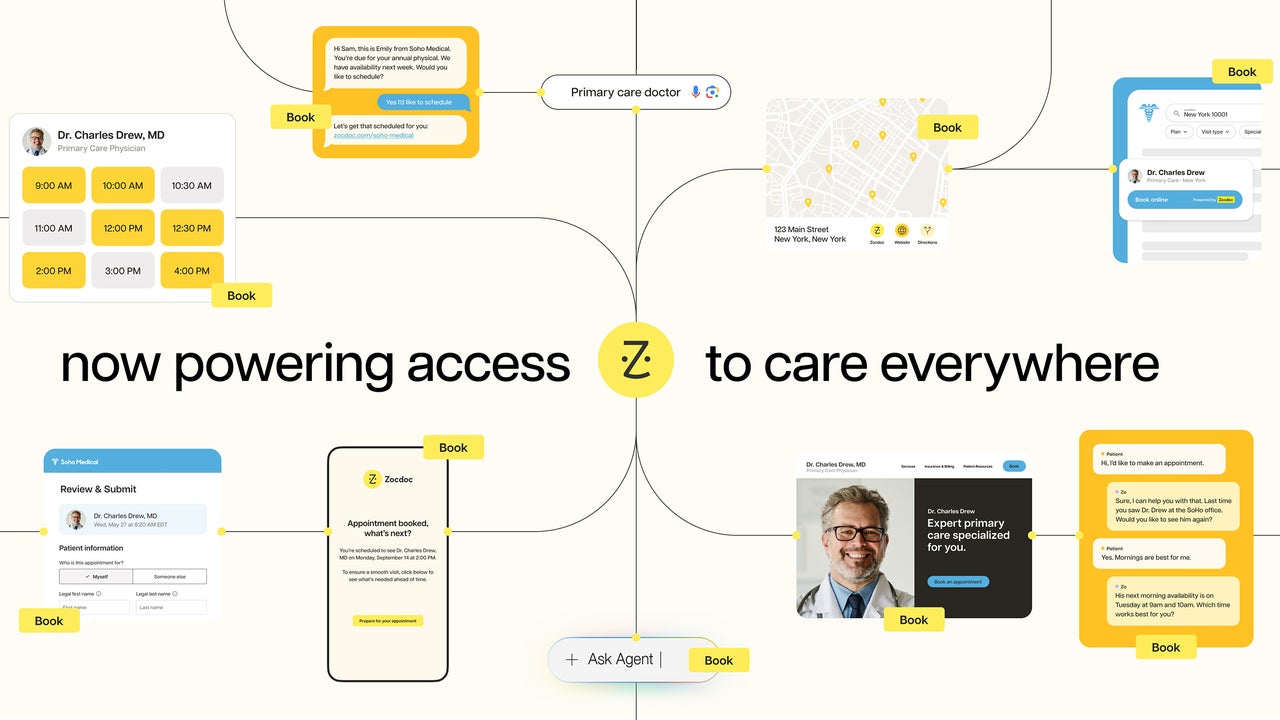
Zocdoc, the online appointment scheduler, is broadening its reach by expanding the Care Access Network. This move enables other platforms—such as Yelp, Healthgrades, and Amazon Health AI—to offer Zocdoc's technology for booking medical appointments nationwide. The tool helps patients find doctors organized by insurance acceptance and available appointment times, addressing the long waits that average 31 days to see a physician. CEO Oliver Kharraz highlights healthcare’s lag in having a universal access layer for bookings, unlike travel or retail. With a network of 200,000 providers and partnerships including the Veterans Health Administration and Blue Shield of California, Zocdoc has improved direct booking options, reduced wait times to six days on average, and drastically decreased no-show rates. As Zocdoc enters a new growth phase, profitability and strategic hires underline its ambition to become a household name and streamline healthcare access for millions.

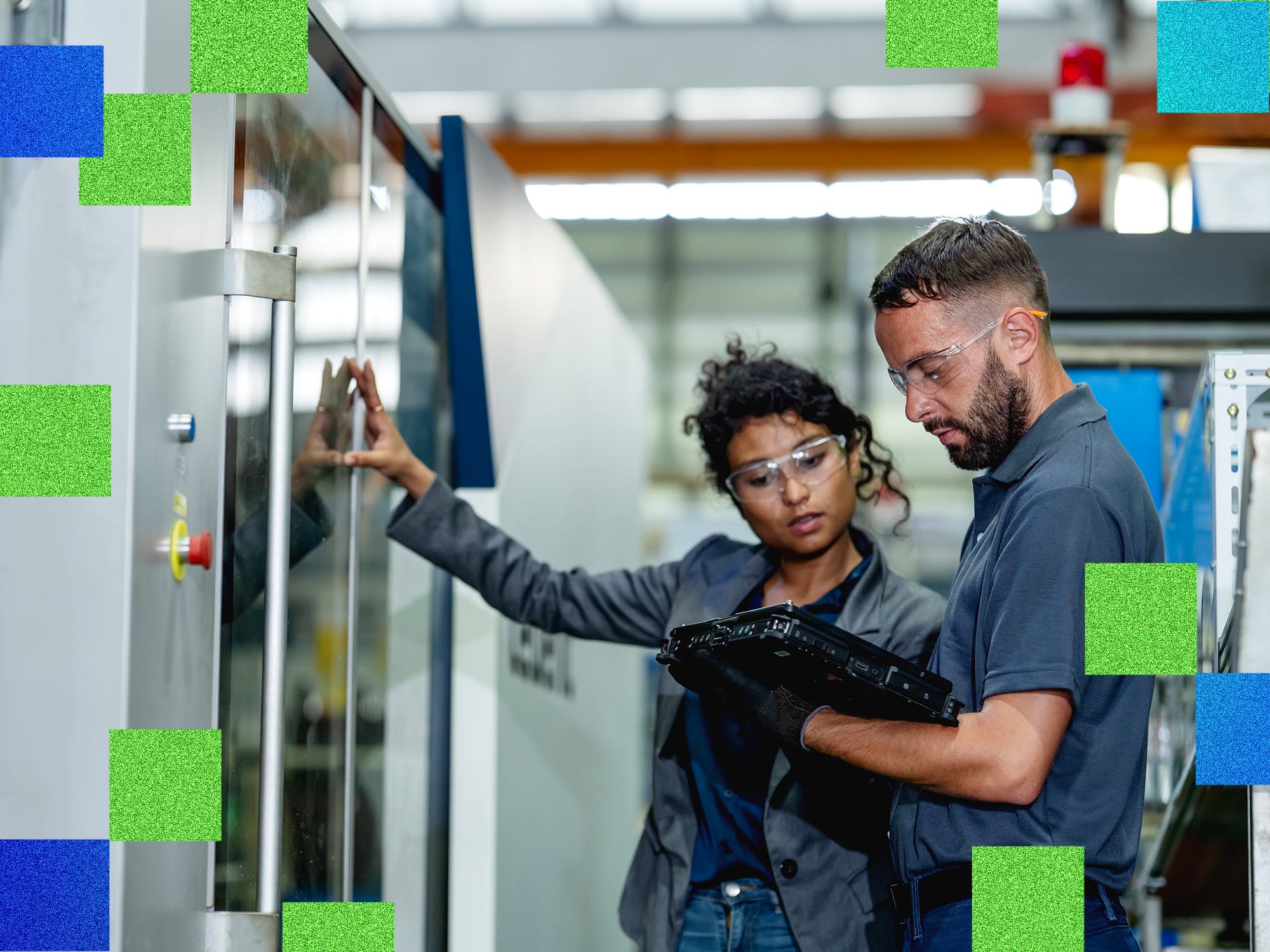
Safran leverages Loopr AI to enhance the inspection process for airplane parts. By generating synthetic data, the software significantly improves the training and accuracy of AI algorithms used for defect detection.

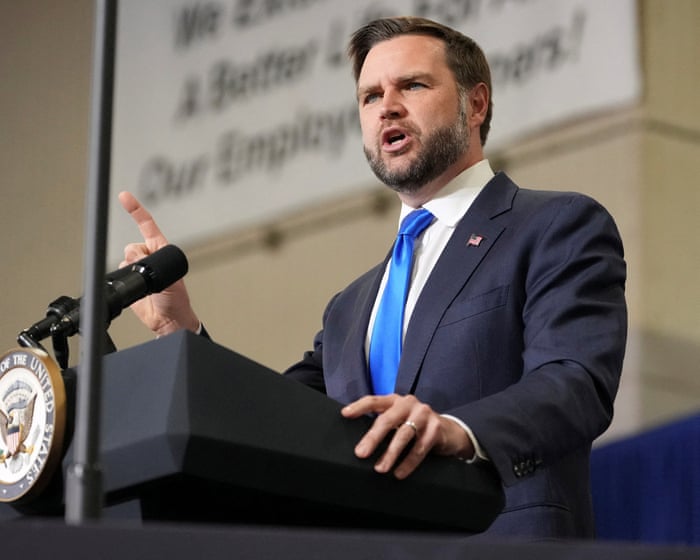
The US vice-president JD Vance has spoken out against imposing global regulations on AI safety, advising tech companies developing advanced AI models to cease their efforts if they feel the need for government rules. This stance comes in response to calls from Dario Amodei, former Anthropic co-founder, who urged Washington to take coordinated steps toward AI regulation, even suggesting cooperation with China. Vance emphasized that if creators are building something as risky as "Frankenstein," they should not seek government intervention afterwards.

By SC Moatti
Leading with “we use AI” no longer sets a product apart; AI is now basic infrastructure. According to data from 576 venture-backed AI B2B companies raising over $50 million since 2025, true competitive moats today are those that AI models alone cannot replicate. Using Hamilton Helmer’s 7 Powers framework and insights from Products That Count, two moats stand out:
-
Counter-positioning: Building a business model so distinct that incumbents won’t copy it because doing so would undermine their own business economics. Examples include AI insurers who bypass traditional brokers and AI-native revenue management that competes against consulting revenue. Only 5% of companies employ this, commanding the highest valuation multiples. Key question: Would it cost an incumbent more to copy you than it would cost you to build?
-
Network economies: Value grows as more users or companies join, creating a powerful self-reinforcing cycle. Seen in platforms connecting brands, factories, advertisers, and audiences, where data accumulates and becomes harder to replicate. Also used by 5% of companies, offering strong capital efficiency.
Other assumed moats like proprietary data and switching costs are often weaker than they appear due to model erosion and high capital needs. Scale economies aren’t achievable for most startups outside major players like OpenAI.
Ultimately, the moat is structural—embedded in business model or network design—not just AI tech. Founders must define what aspect of their business would survive a better-funded competitor launching tomorrow. Those who can't answer are merely building products, not enduring powers.
SC Moatti is Founding Managing Partner at Mighty Capital and Chair at Products That Count. She is recognized for pioneering investments and product leadership, with deep experience building award-winning products at Meta and Siebel Systems.


Fidji Simo, previously OpenAI's second-in-command and the executive who guided Instacart through its 2023 IPO, has joined Nscale's board in a strategic move ahead of the company's potential public offering.