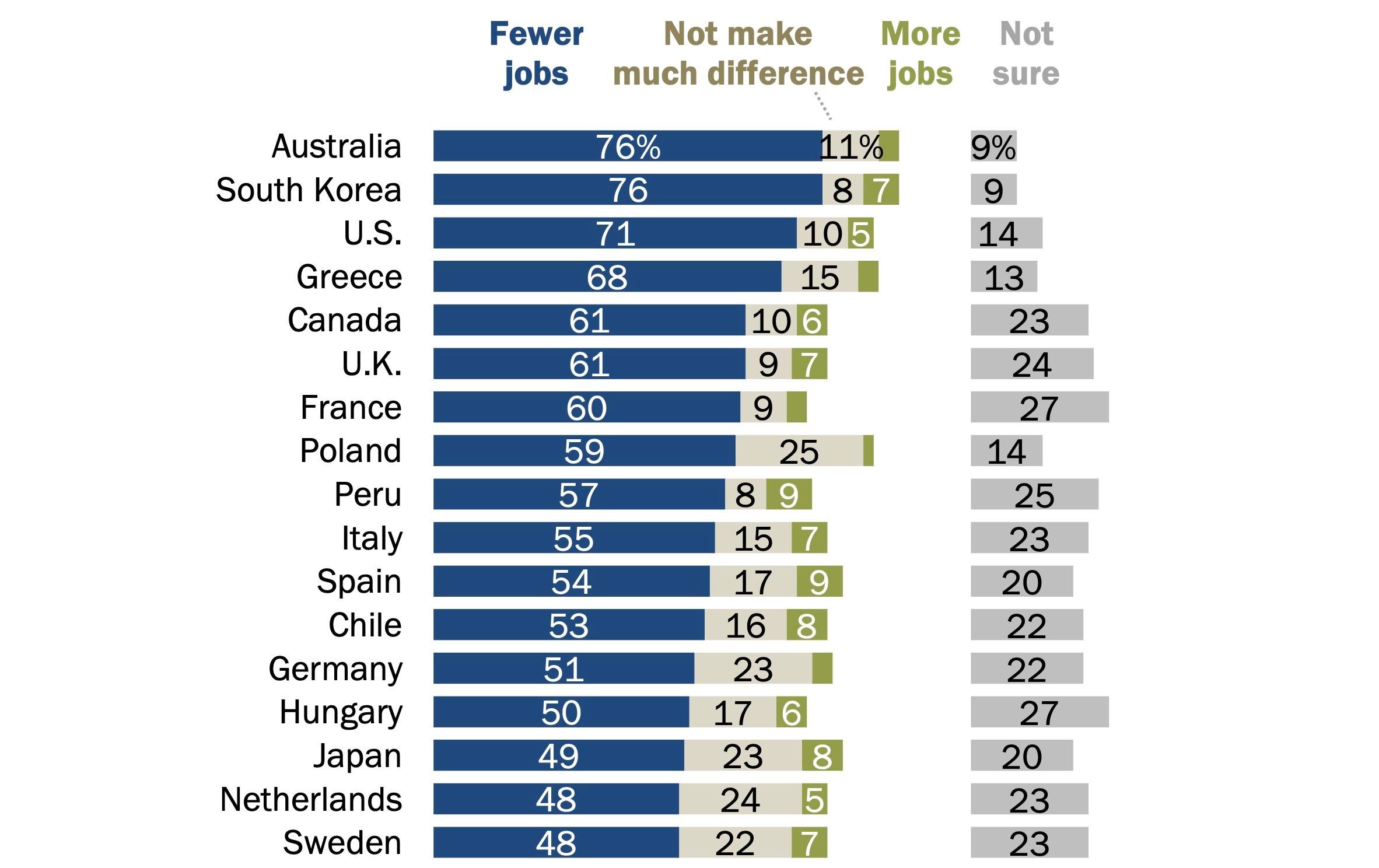
A recent Pew Research survey surveyed over 42,000 people across 37 countries, revealing widespread anxiety about AI's future impact on jobs. In 34 countries, most respondents believe AI will cause more job losses than gains within the next two decades. This concern is especially prominent in wealthier nations like Australia, South Korea, and the US, where over 70% anticipate negative effects on employment. The findings highlight a global skepticism toward AI's role in the workforce, predating recent alarmist predictions.

Hackers have given Revolut a 24-hour ultimatum to pay a $3 million ransom or face the risk of their stolen data being sold to other cybercriminals. This incident highlights the growing threat of ransomware attacks targeting financial technology companies.

Manus regained its independence in September after China's authorities halted Meta's planned acquisition of the startup. The company is now reportedly moving forward with fundraising efforts, aiming for a valuation of $4 billion. For more details, visit the full article on Silicon Republic.

The programme is designed to establish Ireland as a premier hub for insurance innovation by facilitating direct connections between emerging start-ups and key industry players, including insurers, experts, investors, and seasoned founders.


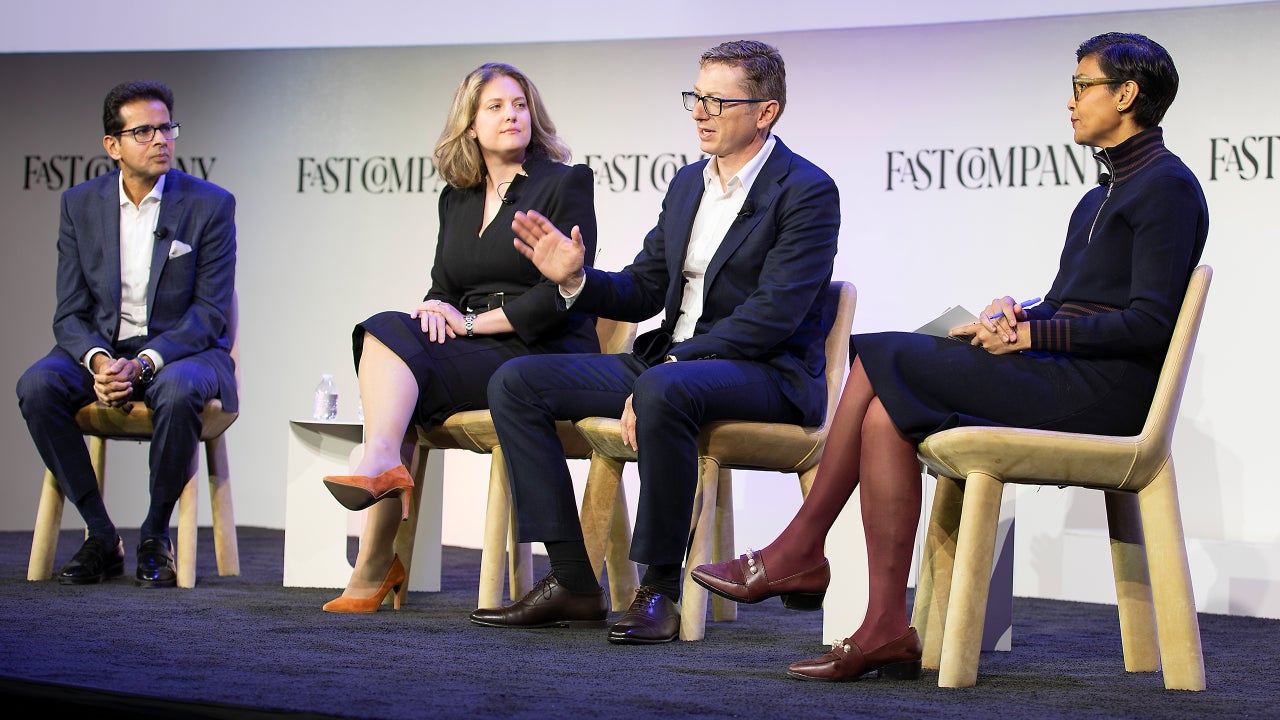
The evolution of shopping—from physical stores to online platforms—has now reached a new phase as brands leverage AI to craft innovative customer experiences. At the Fast Company Innovation Festival in New York, executives named as part of Fast Company's “Pacesetters” shared how AI is advancing both the customer journey and their businesses. Fran Bell, CTO at The Home Depot, highlighted their Magic Apron AI assistant, designed to support both professional and DIY customers before and after purchases, improving in-store interactions and empowering associates. Eugene Nikolavsky, CIO at Stellantis, described an AI-driven customer experience that bridges online and dealership interactions for their automotive brands, enhancing engagement throughout the product lifecycle. Both emphasize putting the customer first, using AI to augment human expertise and streamline shopping in meaningful ways.
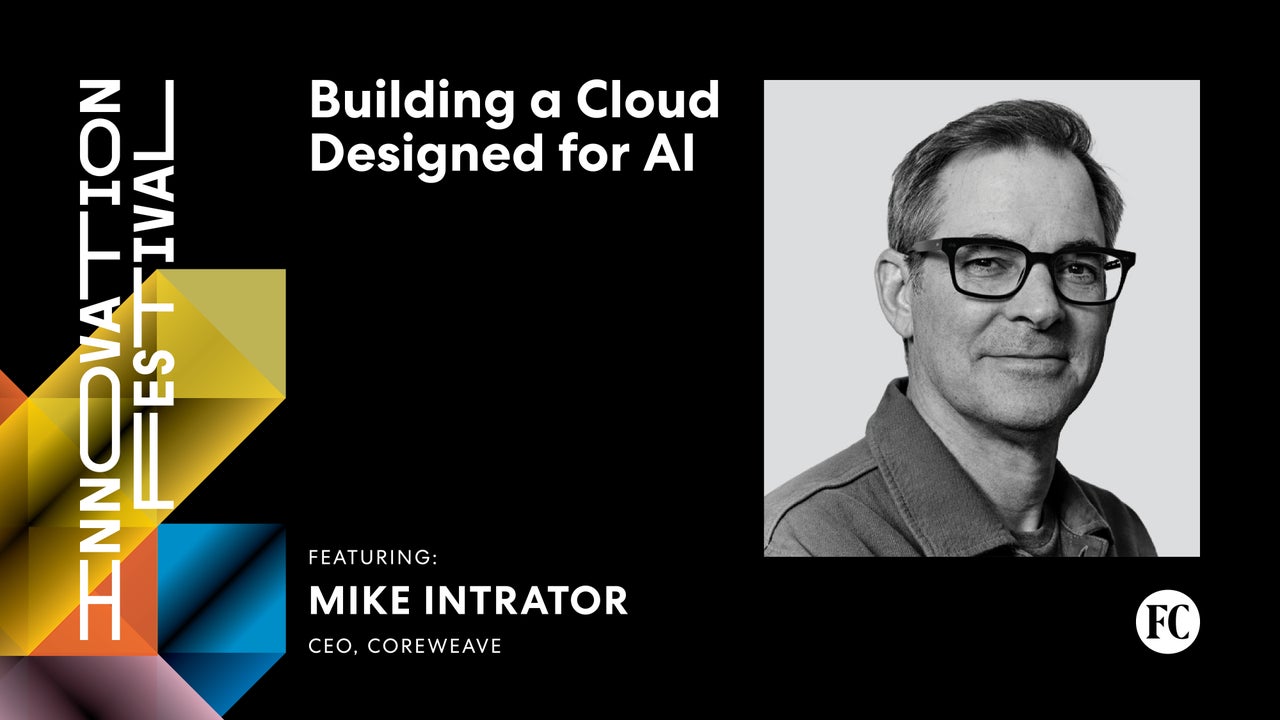
The cloud services developed for the internet age were meant to accommodate a variety of workloads. However, AI technology demands a completely new approach. Mike Intrator, Co-founder and CEO of CoreWeave, explains why AI requires a cloud architecture built from the ground up. He also shares how this specialized infrastructure and accompanying software empower more individuals to transform their ideas into reality. This discussion offers insight into the significant technological and physical challenges AI presents, as well as the key decisions that will impact whether its future prospects can be fully realized.

OpenAI has introduced Astra for Law, a cutting-edge suite of AI tools crafted specifically for AmLaw 200 firms. This strategic move aims to gain an edge over Anthropic in the competitive field of AI-powered legal services.

McKinsey is shifting its focus toward acquiring forward deployed engineers and technical experts. Senior partner Ben Ellencweig highlights the firm's strategy to embrace a more specialized, technology-driven workforce to meet evolving industry demands.

Palantir CEO Alex Karp suggests that the ongoing concern about AI safety may lead to a shift where leading AI research labs could face nationalization, driven more by issues around intellectual property liability rather than purely safety risks.


Meta is enhancing its platform to simplify connections between advertisers and creators by launching a new marketing hub. This update includes ad-readiness editing tools, broader API integrations, and additional features designed to streamline the process for brands and creators to partner effectively.