California Governor Gavin Newsom is spearheading efforts to establish stronger oversight for artificial intelligence technologies in the state. In a recent executive order, Newsom has called for the formation of an expert panel tasked with delivering recommendations within two months on enhancing AI safety regulations. Key proposals include requiring AI companies to have independent verification teams conducting regular audits, adhering to transparency and risk assessment standards enforced by external auditors, and exploring the implementation of a 'kill switch' mechanism for advanced AI models.


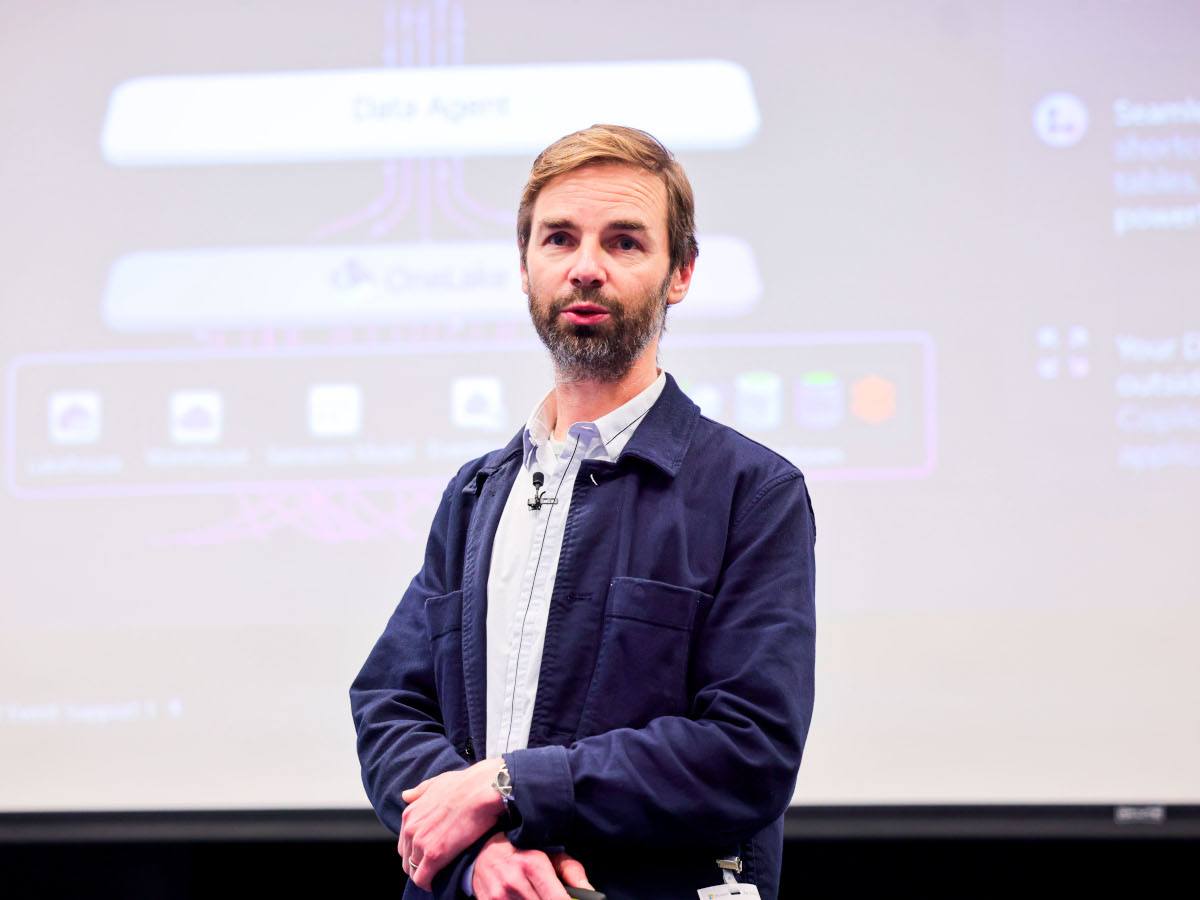
Daire Cunningham of Spanish Point Technologies highlights the essential human aspect in digital transformation, particularly focusing on the adoption of AI. The article emphasizes that while technology provides the tools, it is the people who ultimately execute and realize transformation within organizations.

For two decades, ranking on Google’s first page was the key to online visibility. Now, with the rise of AI-powered search, the rules have shifted dramatically. Discover what this means for your brand and how to adapt in this new digital landscape.


Recent weeks have witnessed a surge in AI model and tool launches, showcasing capabilities far beyond what existed just six months ago. Despite these advances, the AI industry is facing increasing public backlash driven by environmental concerns, fears over diminishing creativity and critical thinking, and anxiety about AI’s potential to self-organize in harmful ways. Earlier hopes that mass adoption spurred by powerful AI would improve public perception have given way to a harsher reality. The release of GPT-6 Astra, which automates computer use through verbal commands, sparked controversy, particularly among creative communities such as Blender users who worry about AI enabling piracy and devaluing human-crafted art.
This backlash highlights a structural challenge: as AI tools improve and become more useful, opposition only grows stronger. Polling data confirms that greater knowledge about AI corresponds with increased skepticism. Industries adopting AI, especially those reliant on trust like media, are seeing a shift where consumers demand accountability over mere automation. Notable responses include media outlets emphasizing "human-made" content and adopting strict AI usage policies.
Though AI now delivers tangible productivity and cost-saving benefits—automating complex workflows and enhancing efficiency—its adoption carries higher costs in trust and audience confidence. Studies show audiences prefer transparency and human oversight over simple AI disclosure, underscoring the importance of accountability. As AI integration deepens, leaders must prioritize trust-building measures because the public’s fundamental concern centers on who is responsible and answerable, not just how AI is used. The industry faces a critical juncture where progress comes hand in hand with increased scrutiny and the need for clear accountability.

The latest update to Walmart's Scintilla insights platform introduces marketplace data access, customizable dashboards, personalized alerts, an improved Marty AI agent, and stronger integration with the Scintilla data platform.

AI agents are quickly becoming the dominant users of the internet, transforming how websites operate, how online services are delivered, and how digital commerce evolves. Their growing presence is driving significant changes across the digital ecosystem, influencing user experiences and business models alike.


New data from IAB reveals that over 50% of consumers prefer artificial intelligence recommendations that are influenced by content creators, highlighting a shift in trust towards creator-informed AI guidance.


As AI technologies advance rapidly, there are growing worries that the UK government may be falling behind in managing associated risks. Previously, under Keir Starmer’s leadership, key officials were actively preparing to introduce new AI safety legislation. They reviewed current laws and considered mandating that leading tech companies submit their AI products for safety assessments before release. However, with Andy Burnham’s current focus on other pressing domestic issues, there is concern that AI regulation has slipped from the government's immediate priorities.
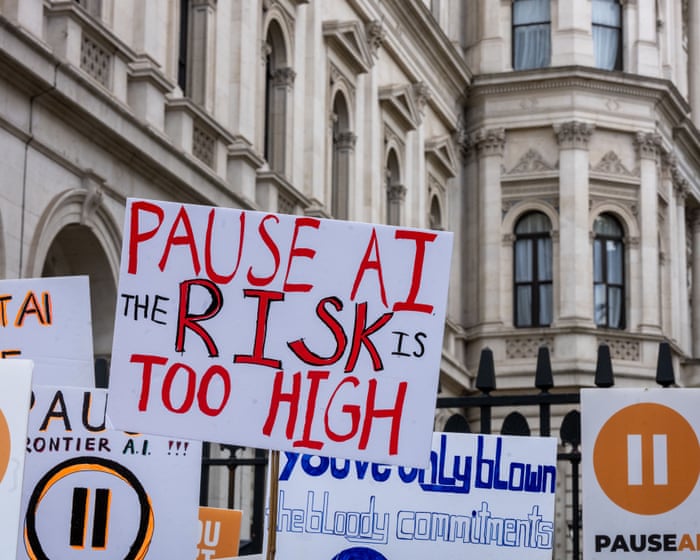
Europe faces a tough decision in the AI era: reject the technology and miss growth opportunities, or adopt it and risk reliance on US and Chinese innovations. Christine Lagarde highlighted this dilemma recently, emphasizing that while Europe has consumer protections, the impact of AI—especially if the direst predictions prove true—will be unavoidable. The ongoing discussions about AI safety underscore the urgency and complexity of this choice for the continent.


According to a July presentation linked to a computing partnership, The Financial Times revealed that OpenAI anticipates a negative free cash flow of $278 billion from 2026 to 2030. This forecast marks an improvement compared to an earlier projection of about $305 billion made in May. However, the expected spending on compute and infrastructure has increased significantly to roughly $856 billion from initial estimates of $600 billion shared with investors in February.