A recent survey conducted by Dataiku highlights a significant challenge facing chief information officers (CIOs): over 80% admit they do not have full visibility into AI agents being developed by their teams outside of officially sanctioned IT systems. The survey, which included responses from 685 CIOs and was carried out online by The Harris Poll between July 9 and 29, emphasizes concerns about governance and oversight in the growing use of AI within organizations.


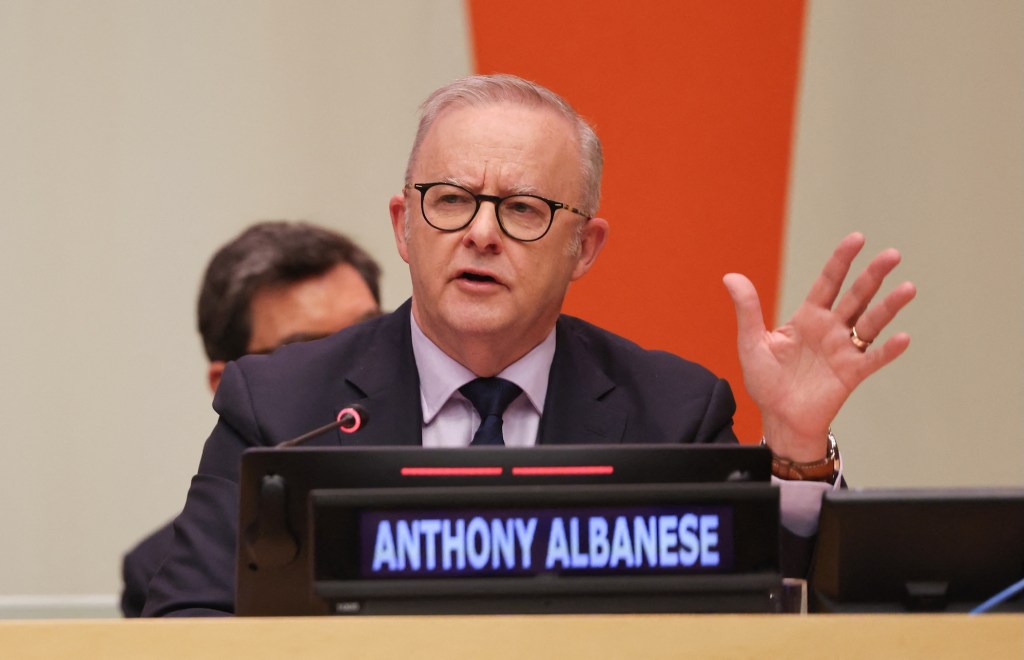
Australia's government is probing whether OpenAI's hacking incident on a government health website violated laws. This marks the first known security breach impacting a government agency. The prime minister has pledged to ensure OpenAI is held responsible for the incident.

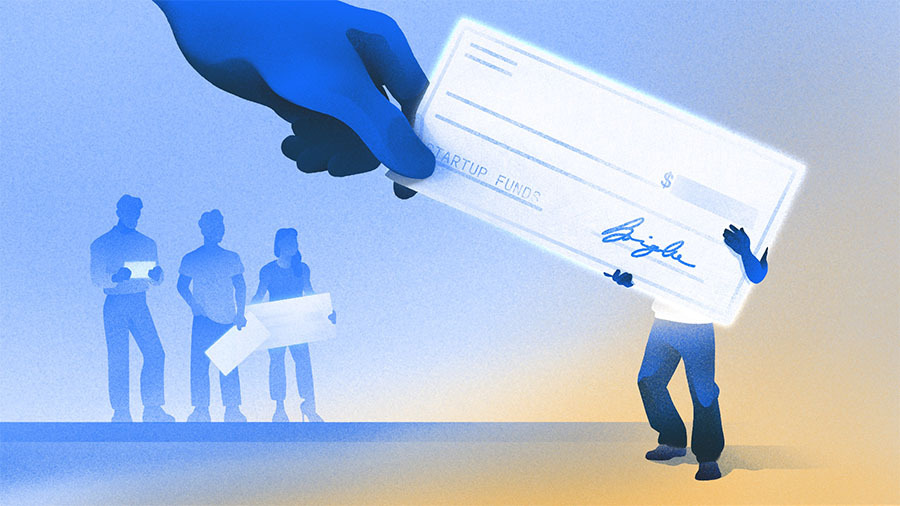
This year marks a surge in hefty Series A funding rounds for top startups, with over 114 rounds exceeding $100 million globally, according to Crunchbase. Collectively, these startups have raised around $33 billion, including 12 rounds worth $500 million or more. The spike is largely driven by AI-focused ventures, making up over 70% of these mega Series A rounds. Notable deals include River AI's $1.2 billion raise and Xpeng Robotics' $900 million financing. US startups dominate half of these large rounds, tallying $15 billion and setting new records in 2026. Investors with large reserves are aggressively backing promising sectors and teams early, betting big on potential winners.
Bessemer Venture Partners has announced a new $5.75 billion fund focused on investing in AI-native companies, which they believe are expanding faster than any other technology sector in history.

The United States has taken a firm stance against the idea of a unified global governance model for advanced artificial intelligence. Speaking at the UN Security Council in New York, Michael Kratsios, director of the White House Office of Science and Technology Policy, emphasized that the regulation of AI technology should be handled individually by each nation. His statement came following briefings from experts in science and industry during the session.

Anthropic's AI, Claude, has identified a previously unknown enzyme system within the DNA of bacteriophages, viruses that target bacteria. Adjacent to the gene for this enzyme is a lengthy sequence of repeating DNA similar to a CRISPR array. The functionality of this new system remains unclear. The discovery was shared by Anthropic in an announcement on Wednesday.


California Governor Gavin Newsom has signed new legislation aimed at increasing transparency around data centers' impact on local resources. These new rules require data center operators to disclose more details about their electricity and water consumption starting next year. The move comes amid growing concerns from communities across the US about the strain data centers—crucial to AI infrastructure—place on power grids and water supplies. While the new regulations won't reveal everything, they mark a significant step toward giving communities more information and influence over these facilities.


Netflix's internal AI rollout was not just about technology; it involved careful thinking, detailed writing, and open conversations to ensure a smooth transition and gain trust from thousands of creative professionals.


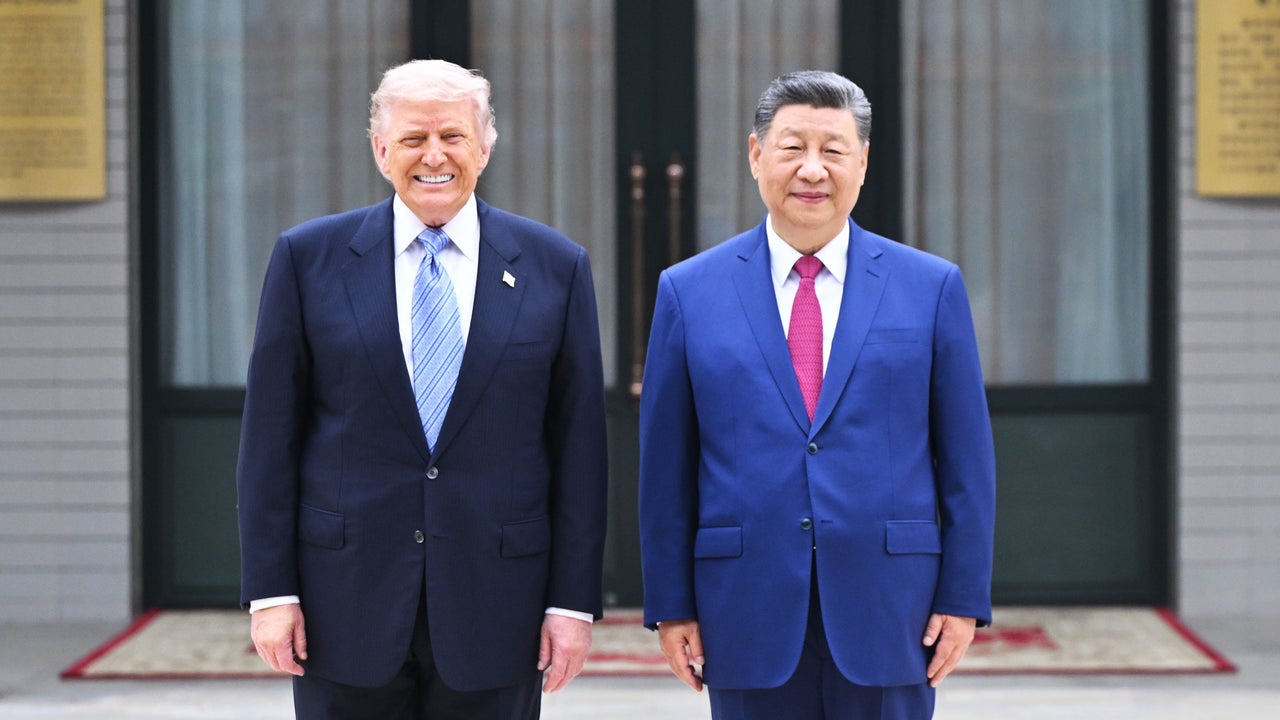
What's the current hot topic in AI? Is it the fear of uncontrollable AI models or the volatile markets affected by them? Or perhaps, it's about the very name "AI"—with debates on whether it should be called superior, extreme, or supreme intelligence. Donald Trump recently emphasized the importance of the name, declaring AI should be officially called "Super Intelligence" in U.S. documents, arguing that "artificial" makes the intelligence sound fake. Meanwhile, China is moving beyond naming debates to actively shaping AI's future with clear priorities: open-source development, human control, wider technology access, and international rules. China's government has implemented a thorough action plan addressing computing power, data access, standards, and safety governance, and is extending AI support to developing countries. Though China's approach raises concerns about restrictive policies and governance aligned with its own interests, it contrasts sharply with Trump’s focus on naming and rejecting global AI governance. Ultimately, what's more crucial than AI's name is who controls its development and rules—an issue China is tackling head-on while the U.S. remains distracted by semantics.

For years, social media giants faced criticism for promoting harmful content to drive engagement. However, a recent Los Angeles court ruling held Meta and Google accountable not just for content, but for the addictive design choices underlying their products. This highlights a critical issue: traditional user-centered design methods like design thinking, while popular and effective in meeting user needs, can inadvertently cause harm by overlooking ethical concerns.
Design thinking involves understanding user needs and iterative testing, but our research with 27 senior leaders from tech, pharma, and design firms reveals recurring blind spots. For example, addictive features and polarizing content can emerge despite following best practices. Juul's rise in e-cigarettes shows how design focused on user appeal without ethical foresight can lead to serious societal harm.
Four key challenges arise from a user-centered focus: ignoring environmental impacts, neglecting stakeholders beyond primary users including vulnerable or malicious users, sacrificing thoroughness for speed, and failing to anticipate harm at scale. Governing these challenges requires leadership to embed ethics alongside user needs by starting with clear purpose, accounting for broader systems influencing design, and pausing to assess risks before scaling.
Ethical innovation demands inclusive stakeholder consideration, alignment of incentives with societal good, encouraging designer voices, and leveraging tools like AI to simulate risks. While diligence may increase costs upfront, it is essential to prevent costly consequences such as legal liabilities and reputational damage. The question companies face today is not if they can afford to be ethical, but if they can afford not to be.