In the midst of swift enterprise expansion, Anthropic is focused on making AI agent development more accessible for businesses through their product, Claude, easing the complexity involved in building AI solutions.


TikTok is allocating €1 billion for a second data center in Lahti, Finland, as part of its €12 billion Project Clover initiative aiming to enhance data sovereignty for European users. The Finnish defence ministry approved the initial investment in 2024 without notifying elected officials, prompting criticism from a former minister who has called for a review of the project.

Verne, an autonomous mobility company originating from Croatian electric hypercar manufacturer Rimac Group, officially began offering commercial robotaxi rides in Zagreb on April 8. The service, which operates with onboard safety drivers, was launched in partnership with Pony.ai and Uber. Meanwhile, Waymo has announced plans to introduce its robotaxi service in London by the fourth quarter of 2026.

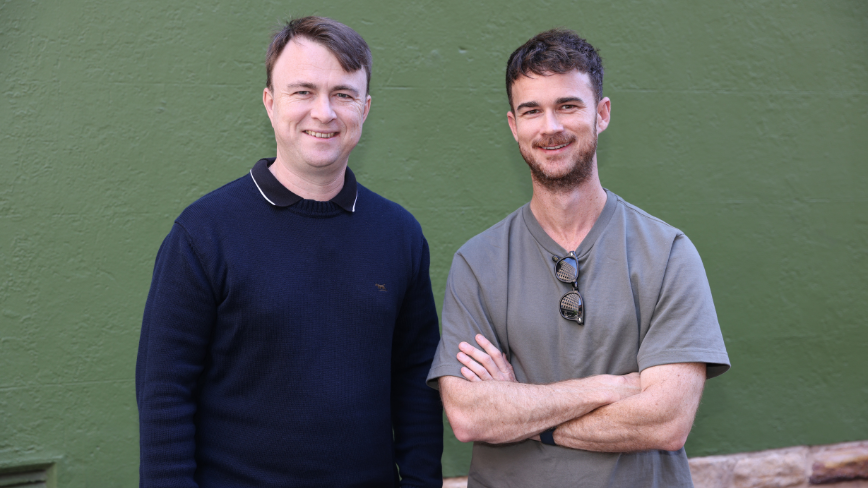
Brothers Chris and Mike Sharkey, also known for founding the Australian holiday rental platform Stayz, built both Simtheory and Ortto. Canva has acquired these two companies—Simtheory, an innovative AI-driven collaboration platform, and Ortto—to drive its most significant transformation yet, which it plans to unveil at Canva Create on April 16. Financial details of the deal were not made public. This strategic move aims to transition Canva from a design tool into a full-fledged end-to-end work platform.

Confluence introduces new capabilities allowing users to generate visual content directly within the platform. Additionally, the software now supports third-party agents from Lovable, Replit, and Gamma, enhancing workflow and collaboration.
The AWS executive highlighted the company's strong tradition of managing competitive dynamics, pointing out that Amazon often competes with its own partners in the cloud industry. This cultural approach allows AWS to invest in both Anthropic and OpenAI without conflicting interests becoming a problem.


As artificial intelligence reshapes traditional online ranking systems, major companies like Pfizer and other prominent brands are setting up dedicated internal AI search hubs to maintain influence over their digital presence and strategies.


In many boardrooms, leadership demands rigorous metrics, but the numbers reported often lead to premature judgments that AI initiatives are failing. This happens because traditional business measures like ROI and cost savings don't capture the unique value AI projects create during early stages. AI projects often deliver benefits such as faster decision-making, improved data quality, and reduced errors that aren't immediately visible in conventional financial reports. When judged by standard metrics within a short time frame, teams focus on what’s measurable rather than essential work like workflow redesign, which is slow and disruptive but critical for scaling AI.
This mismatch leads to many pilots failing to progress, a phenomenon now known as "proof-of-concept fatigue." Four key areas of AI value are frequently overlooked: learning about AI readiness, true adoption challenges in real workflows, the importance of workflow redesign for profitability, and the development of internal AI capabilities that grow competitive advantage long-term. Metrics influence behavior; if leaders emphasize short-term ROI, teams optimize for it—often at the expense of true transformation. More than 40% of companies struggle with measuring AI impact due to outdated KPIs and leadership perspectives.
Effective measurement for AI requires aligning metrics with the initiative’s maturity level, focusing on learning, adoption, and capability growth rather than only immediate cost reductions. This approach helps differentiate genuine progress from superficial results, fostering meaningful AI-driven transformation.


More leaders are understanding that unresolved trauma within employees is significantly diminishing overall business performance.


Forrester's latest research reveals that neglecting inclusive and sustained AI education can significantly hinder an organization's growth and adaptability. Investing unevenly in workforce AI skills may widen gaps and impact long-term success. For more insights, visit the full report at Silicon Republic.