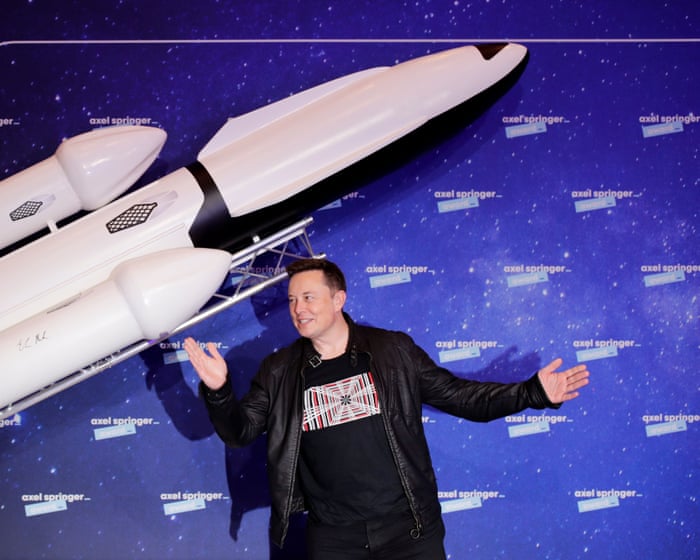
SpaceX is gearing up for a major stock market debut with an event in June for 1,500 retail investors. The company aims to showcase its value spanning aerospace to AI and is considering allocating up to 30% of its shares to everyday investors. Leveraging Elon Musk's popularity, SpaceX hopes to raise around $75 billion, marking it one of the largest IPOs ever seen.

For over twenty years, digital discovery has followed a straightforward process: search, scan, click, decide. This worked well when humans were the primary web searchers. However, with AI agents increasingly becoming the main consumers of online information, this approach is evolving. A new paradigm called Answer Engine Optimization (AEO), or Generative Engine Optimization (GEO), is emerging. Unlike traditional SEO, which focuses on rankings and clicks, AEO measures success by how well content is understood, selected, and cited by AI systems.
AI agents analyze user intent with context and memory from past interactions, requiring content to be concise, structured, and clear. The model has shifted from "search, read, decide" to "agent retrieves, agent summarizes, human decides," with agents often handling downstream tasks too. This means traditional SEO methods are no longer sufficient; enterprises must adapt to this new discovery layer.
Developers are already benefiting from AI agents in everyday workflows, using them for faster, more efficient research and synthesis tasks. These tools reduce manual searching and deliver more relevant, actionable outputs. Despite some challenges with data access and reliability, deep mastery of a single AI platform yields the most benefits.
Enterprises must prepare for a world where AI agents decide source citations. Content needs to be conversational, authoritative, regularly updated, and structured with clear headers and FAQ schemas. Building a strong brand presence on key platforms like Reddit, YouTube, and industry forums is essential, as is creating original, expert-backed content that AI models can cite.
Ultimately, success in this AI-driven landscape hinges on producing valuable content that genuinely meets user needs and earning the reputation of being a reliable source for AI-powered search results.

Anthropic has unveiled Project Glasswing, an ambitious cybersecurity initiative that uses its unreleased AI model, Claude Mythos Preview, to detect vulnerabilities in critical software before malicious actors can exploit them. Partnering with twelve industry giants, including Amazon Web Services, Apple, Google, Microsoft, and the Linux Foundation, Anthropic is committing $100 million in usage credits and $4 million in donations to open-source security. Claude Mythos has autonomously uncovered thousands of serious zero-day vulnerabilities across major operating systems and software, but it will not be publicly released due to its potential risks if misused. Anthropic emphasizes responsible vulnerability disclosure through a careful triage process to avoid overwhelming maintainers and stresses that the cybersecurity landscape is changing rapidly with AI, giving defenders only months to act. In the face of recent operational security mishaps, Anthropic's leadership stresses ongoing improvements to earn and maintain trust while aiming for a public offering around late 2026. Project Glasswing represents a crucial step to strengthen global cybersecurity by providing defenders with early access under strict controls, hoping to stave off threats from less scrupulous actors as AI capabilities evolve rapidly.


Aldi U.S. has debuted its new website and app, leveraging Instacart's Storefront Pro, a white-label e-commerce and fulfillment platform, rather than developing its own digital infrastructure in-house.


In 1986, Toyota's design branch, Calty, crafted a replica American dining room in Japan to teach its executives more than just the physical difference in size between Japanese and American people. The setup—a spacious dining table with six chairs far apart—highlighted Americans' preference for roominess, luxury, and comfort, reflecting cultural values like individualism compared to Japan's collective mindset and space restrictions. This experience helped the executives understand American consumers' expectations and ways of thinking, which was key to Toyota's success in the U.S. market. This story serves as a powerful reminder to any leader or business aiming to enter new markets: to truly connect with customers, one must appreciate their cultural context and lifestyle, essentially stepping into their shoes and experiencing their world firsthand.

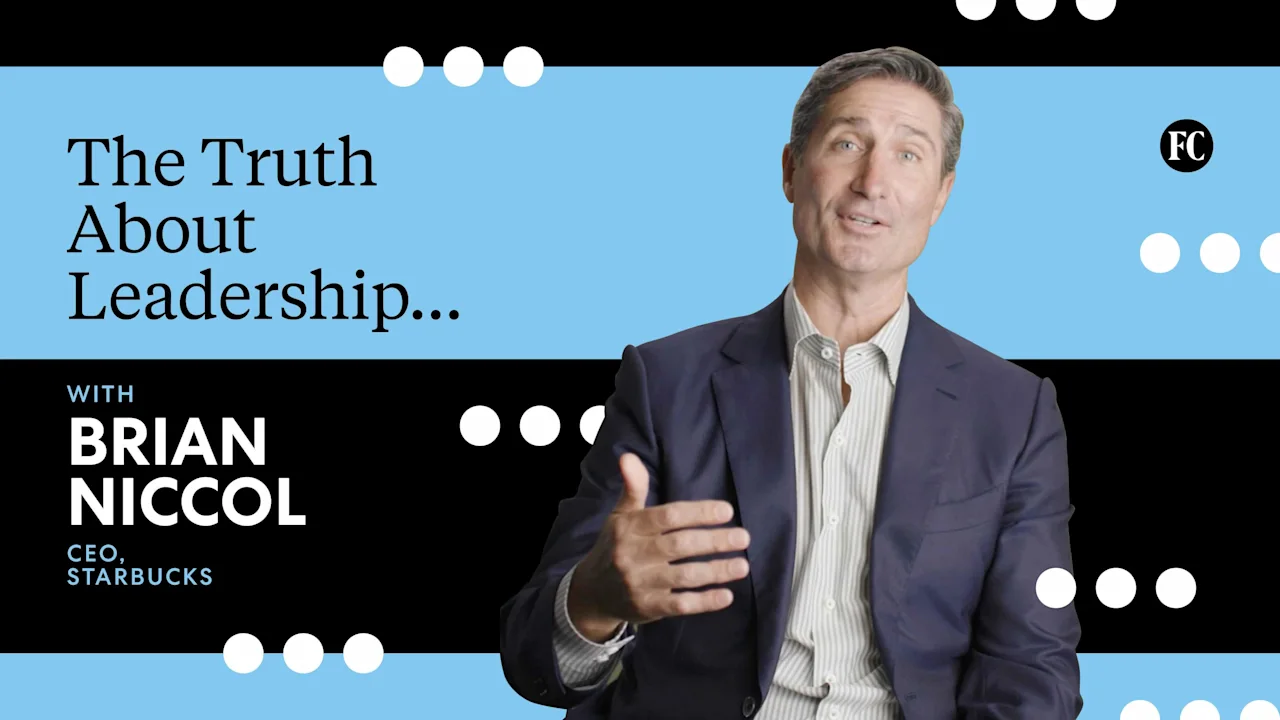
Starbucks CEO Brian Niccol emphasizes that effective leadership extends beyond issuing directives. He advocates that the most undervalued leadership quality is the ability to listen attentively to your team rather than dominating conversations.
While white-collar workers have been the focus of much discussion about AI's impact on jobs, a new report shows that workers without four-year degrees are also facing significant disruption. AI threatens not just individual job roles but entire career pathways, especially those involving "Gateway" jobs that serve as stepping stones for millions of workers without college degrees (known as STARs) towards better-paying roles. Over 15 million such workers are in positions highly exposed to AI-driven changes, particularly in clerical and administrative sectors dominated by women. These Gateway roles are critical for upward mobility into "Destination" jobs like sales and accounting, many of which are also threatened by AI. This shifts the traditional job pipeline, risking the career progression of lower-wage workers and creating challenges for employers seeking experienced candidates. Furthermore, variations in industry dominance mean AI's impact varies across regions, necessitating targeted policy and collective efforts to rebuild career pathways and support affected communities. Experts highlight the importance of regional responses to create mobility opportunities for all workers and meet employer needs.


The urgency of quarterly earnings reports has diminished over time. Moving away from this practice could create positive outcomes for companies, investors, and the broader market by allowing for more strategic, long-term planning.


Anthropic's revenue run rate has impressively climbed to over $30 billion, a significant jump from approximately $9 billion by the end of 2025. This growth aligns with the recent announcement of a major 3.5GW TPU deal involving Anthropic, Google, and Broadcom, signaling strong momentum in AI hardware innovation.
A recent joint report highlights the challenges many organizations face when integrating generative and agentic AI technologies into their workflows. The study reveals that 60% of companies are considering layoffs for employees who do not adapt to AI tools and processes.