When you ask who leads AI transformation in a company, many point to executives or specialized teams. However, this perspective misses a critical component: the individuals closest to daily workflows. While leadership sets the strategic direction, the true transformation happens when employees actively rethink and reshape how work gets done using AI. These individuals, whom we call builders, come from various roles and levels—not just engineers—and they possess curiosity, proximity to the work, and an initiative to improve processes independently.
Leaders should focus on creating an environment that sets clear guiding principles around security and privacy but allows room for experimentation and innovation. Providing training, tools, and opportunities for employees to showcase successful AI-driven improvements encourages a culture where innovation thrives organically.
Furthermore, AI transformation must benefit not just the organization but also employees' professional growth by equipping them with valuable new skills. Lastly, measuring the success of AI initiatives should prioritize meaningful outcomes like faster project completion, higher productivity, and improved client satisfaction—not just metrics like usage or logins.
Ultimately, while executives define strategy and technology teams maintain infrastructure, it's the builders within the workforce who truly own AI transformation by reimagining workflows to create real impact.


McDonald's is testing a new media network strategy aimed at creating a $1 billion advertising business, marking a significant evolution in its marketing approach.

Target's latest campaign emphasizes its design heritage, integrating collaborations with creators and immersive brand experiences. This initiative aligns with the retailer's positive momentum in recent turnaround efforts, showcasing a fresh approach to engaging customers.


Nik Storonsky, the founder of Revolut, shared with Les Echos that the company is planning to list on both the London Stock Exchange and Nasdaq. Speaking during his visit to Paris, this marks the first time Storonsky has openly confirmed the strategy of a dual listing. The interview was conducted by Gabriel Nédélec and Ingrid Feuerstein and published in the French newspaper. This move reflects Revolut's ambition to expand its presence across major financial markets.


Dr. Oliver Kharraz, CEO and physician, shares insights into the challenges that have stalled major corporations like Walmart and IBM in their attempts to transform healthcare. He highlights the unique complexities and nuances of the healthcare sector that require more than just business acumen to navigate successfully.


Great leaders do more than create successful companies; they nurture and prepare the next generation to lead.

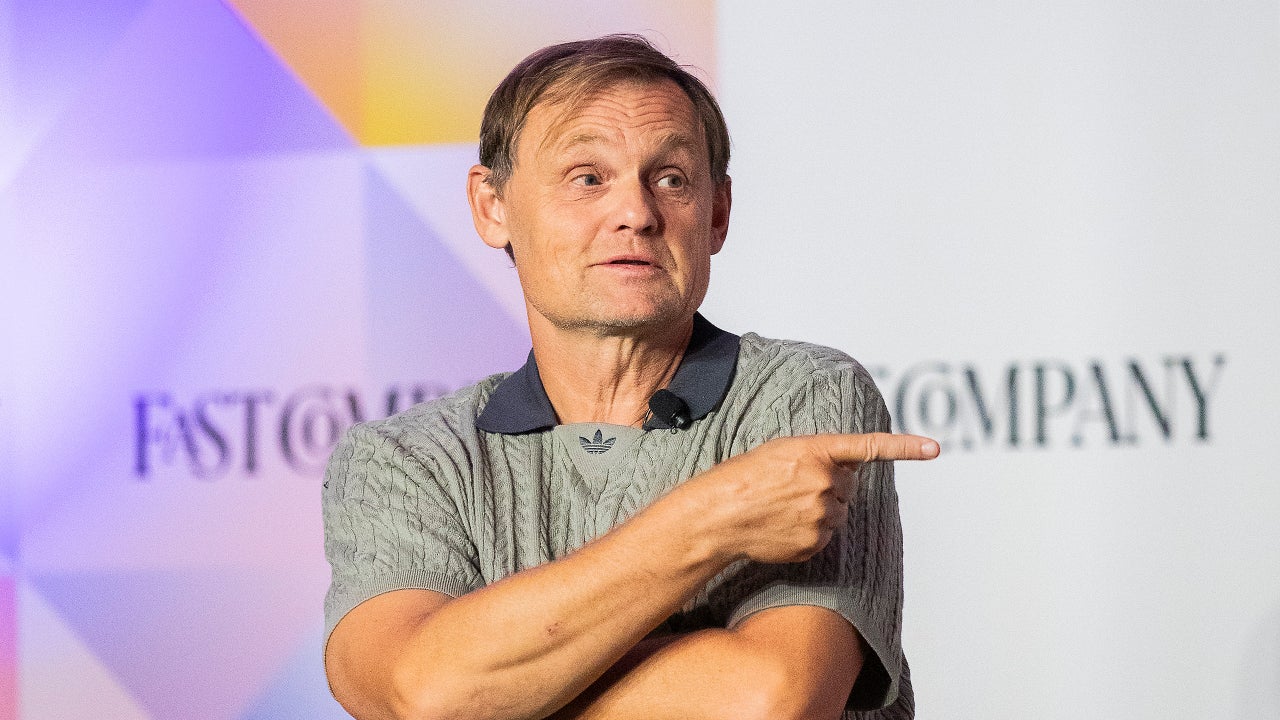
Adidas CEO Bjørn Gulden revealed that the key to the company’s resurgence was removing the "no-sayers"—those who hinder innovation with constant objections. Taking over in early 2023, Gulden inherited a company struggling after the demise of its Yeezy partnership and challenges in markets like China. By cutting bureaucratic layers and empowering energetic, innovative employees to lead decisions, Adidas regained momentum, posting growing sales and profits. Gulden's strategy also involved reducing headcount to streamline operations and focusing on creativity over rigid procedures, leading to milestones like the recent sub-two-hour marathon run in Adidas shoes. He emphasizes that success stems from trusting talented people and fostering a culture of action and agility.
Recent weeks have witnessed a surge in AI model and tool launches, showcasing capabilities far beyond what existed just six months ago. Despite these advances, the AI industry is facing increasing public backlash driven by environmental concerns, fears over diminishing creativity and critical thinking, and anxiety about AI’s potential to self-organize in harmful ways. Earlier hopes that mass adoption spurred by powerful AI would improve public perception have given way to a harsher reality. The release of GPT-6 Astra, which automates computer use through verbal commands, sparked controversy, particularly among creative communities such as Blender users who worry about AI enabling piracy and devaluing human-crafted art.
This backlash highlights a structural challenge: as AI tools improve and become more useful, opposition only grows stronger. Polling data confirms that greater knowledge about AI corresponds with increased skepticism. Industries adopting AI, especially those reliant on trust like media, are seeing a shift where consumers demand accountability over mere automation. Notable responses include media outlets emphasizing "human-made" content and adopting strict AI usage policies.
Though AI now delivers tangible productivity and cost-saving benefits—automating complex workflows and enhancing efficiency—its adoption carries higher costs in trust and audience confidence. Studies show audiences prefer transparency and human oversight over simple AI disclosure, underscoring the importance of accountability. As AI integration deepens, leaders must prioritize trust-building measures because the public’s fundamental concern centers on who is responsible and answerable, not just how AI is used. The industry faces a critical juncture where progress comes hand in hand with increased scrutiny and the need for clear accountability.


The latest update to Walmart's Scintilla insights platform introduces marketplace data access, customizable dashboards, personalized alerts, an improved Marty AI agent, and stronger integration with the Scintilla data platform.


Jeanelle Johnson, PwC's leader in the DC office with 2,200 personnel, notes that clients now expect consulting projects to be completed in half the time compared to a year ago. For example, work that previously required eight weeks is now expected within four, driven by advances in AI technology.