A comprehensive guide to selecting a company name that truly represents your brand, along with important logistical considerations you might not expect during the naming process.


Is AI changing human behavior in unexpected ways? Are you wondering how your marketing approach should adapt? This article explores the profound impact AI is having on human behavior and offers guidance on how to prepare your content marketing for this evolving landscape.


Adobe has announced a plan to acquire Semrush by offering $12 per share, nearly double Semrush's closing price of $6.89 prior to the deal announcement.


In today’s fiercely competitive B2B environment, marketing leaders face a complex paradox: rapid change demands agility, yet clear vision and focused purpose are crucial. Artificial intelligence (AI) is transforming every aspect of business, making it essential for Chief Marketing Officers (CMOs) to lead proactively rather than follow trends. Vision acts as a strategic compass that guides decision-making and aligns marketing efforts with business transformation, while AI enables market anticipation, personalization at scale, and new value creation. For example, Microsoft’s AI-driven repositioning soared its market cap from $300 billion in 2014 to over $3 trillion in 2024. Innovation, powered by AI insights, is vital for differentiation, enabling marketers to create unique customer experiences and iterate quickly in dynamic markets. Apple exemplifies this through its strategic branding and AI-enhanced personalization. The fusion of vision and innovation, illustrated by onsemi’s transformation, highlights how CMOs can implement AI-centered strategies including brand positioning, market intelligence, demand generation, digital experience optimization, and cross-functional collaboration to fuel growth. Ultimately, modern marketing leadership must lead with vision, innovate continuously with AI, and measure impact beyond just traditional metrics, advancing marketing from a function to a powerful driver of business success.


Media planners and buyers are increasingly utilizing AI-driven search insights to refine their targeting strategies. By analyzing evolving search behaviors, they aim to optimize investment decisions and better predict audience needs.


An increasing number of CMOs observe a decrease in support from CEOs and CFOs for long-term brand investment. At the same time, confidence in brand purpose has sharply declined, reflecting challenges marketers face in a fragmented and uncertain business environment.

Gen Z continues to rely heavily on social media and influencers for discovering products. At the same time, they are showing increased comfort and engagement with retail media platforms and the use of AI in shopping experiences, signaling new avenues for brands to connect during the holiday season.


Discover how AI technology can elevate your experiential branding efforts, enabling deeper connections with customers and strengthening brand loyalty.

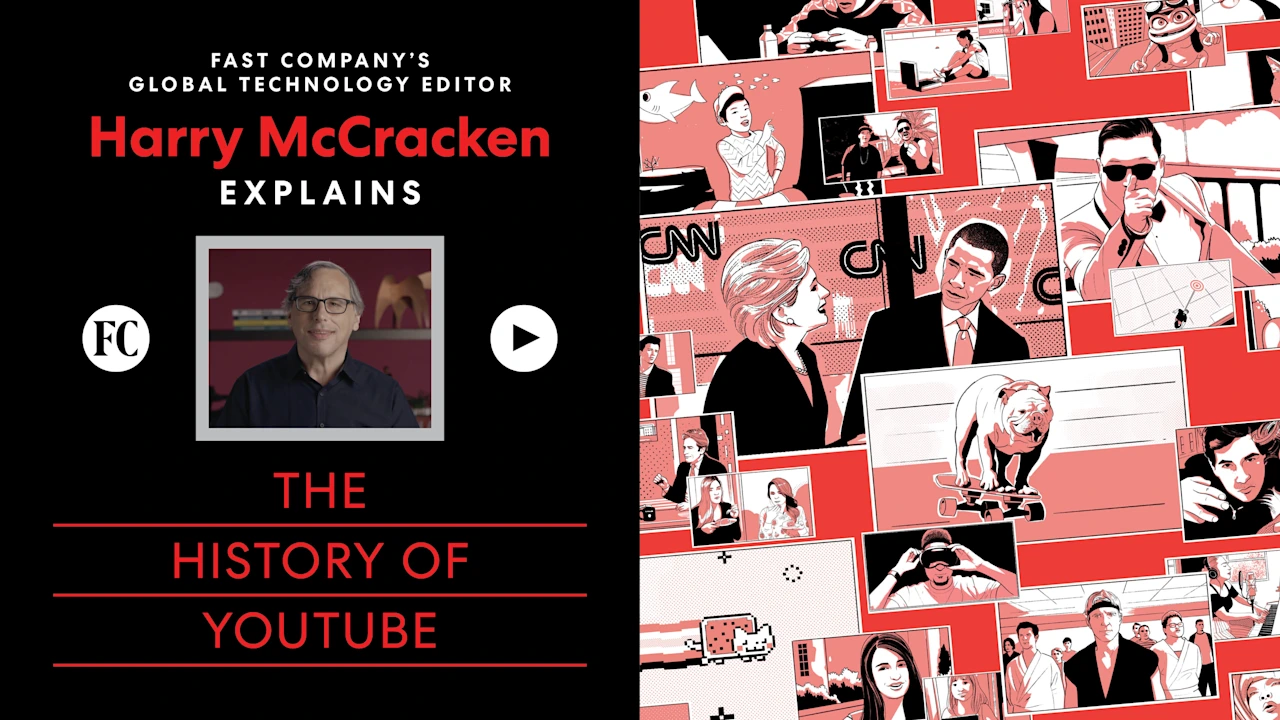
Initially struggling after a failed start as a dating site, YouTube faced challenges including costly video streaming and copyright risks similar to Napster. However, after Google's acquisition in 2006 and the introduction of ad revenue sharing with creators in 2007, YouTube transformed the media landscape with viral moments like the "double rainbows" and the "Ice Bucket Challenge." By 2024, YouTube earned $36.3 billion in ad revenue and became the most-watched video platform in the U.S., surpassing not only streaming competitors but also cable and broadcast TV. Insights from CEO Neal Mohan and creators like Rebecca Black and Smosh highlight how YouTube continues to redefine television.
Marketing service companies are quickly developing zero-click analysis tools to address client queries instantly. However, there is uncertainty about whether clients will be willing to pay for these immediate answers, as monetizing such tools remains challenging for agencies.